What’s Behind the Rise in Deadly Hawaii Helicopter Crashes?
Why It Matters
The crash underscores safety gaps in Hawaii’s expanding helicopter tourism, where lax FAA rules and limited pilot training elevate fatality risk. Addressing these issues is essential to protect tourists and sustain a vital part of the state’s economy.
Key Takeaways
- •2026 crash killed 3 of 5 aboard a doors‑off tour on Kauai
- •NTSB preliminary report cites severe vibrations, possible tail‑rotor failure
- •Hawaii helicopter tours serve >1 million visitors annually, 10% of tourists
- •Accident rate rose as operators doubled and flights grew 67% in decade
- •FAA rules stay lenient; many pilots lack required weather‑awareness systems
Pulse Analysis
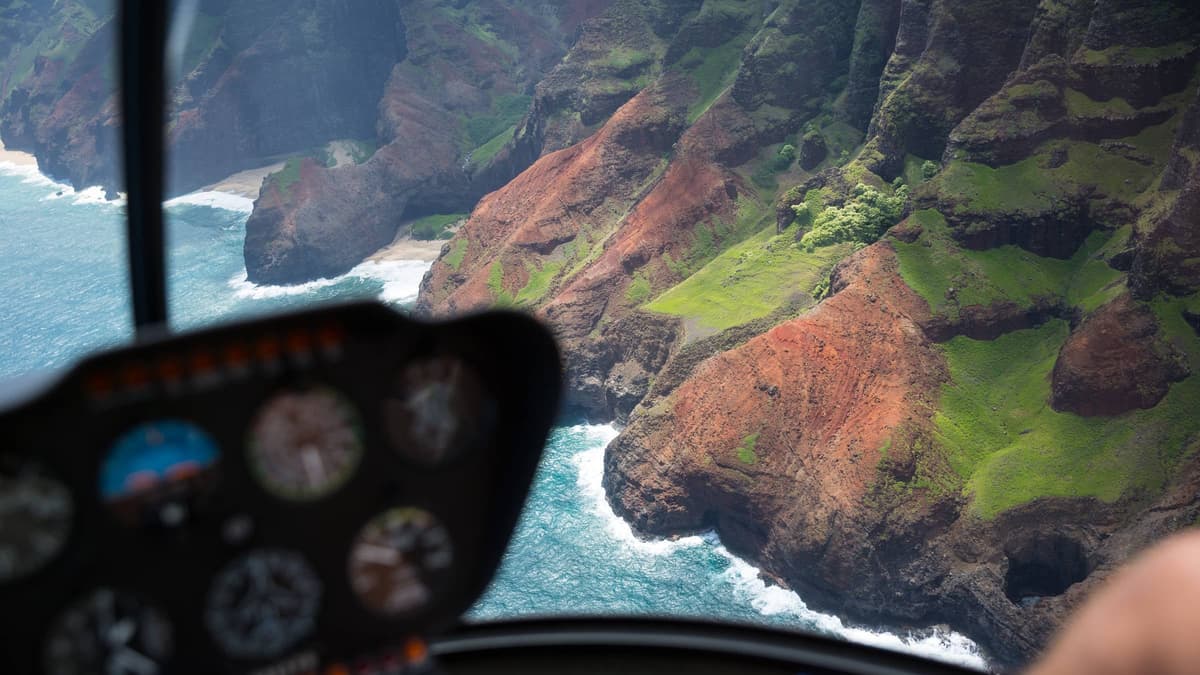
Helicopter tourism has become a cornerstone of Hawaii’s visitor experience, with more than one million passengers soaring over the islands each year. The market, valued at roughly $745 million in 2020 and projected to exceed $1 billion by 2028, thrives on the allure of doors‑off flights that place travelers directly in the island’s dramatic scenery. Operators such as Airborne Aviation and legacy providers like Jack Harter Helicopters have capitalized on this demand, expanding fleets and routes to meet the growing appetite for aerial adventure.
Yet the rapid growth has outpaced safety safeguards. The rugged terrain of the Na Pali Coast, sudden micro‑climate shifts, and strong gusts create a hazardous operating environment that challenges even seasoned pilots. Data from the NTSB shows over 80 commercial sightseeing helicopter accidents in the United States since 2008, with Hawaii accounting for the highest share of incidents and fatalities. Factors such as VFR‑IMC flight, limited onboard weather‑awareness technology, and pilots often being compensated per flight rather than per hour incentivize risky decisions, while FAA regulations for air‑tour operators remain less stringent than those for other commercial aviation sectors.
Industry experts and regulators are calling for tighter oversight to curb the trend. Recommendations include mandatory installation of terrain‑awareness and flotation systems, stricter pilot experience thresholds, and revised FAA rules that enforce higher minimum altitudes and more rigorous weather briefings. Implementing these measures could reduce the likelihood of another tragedy like the March 26 crash, preserving both public confidence and the economic benefits that helicopter tours bring to Hawaii’s tourism ecosystem.
What’s Behind the Rise in Deadly Hawaii Helicopter Crashes?
Comments
Want to join the conversation?
Loading comments...