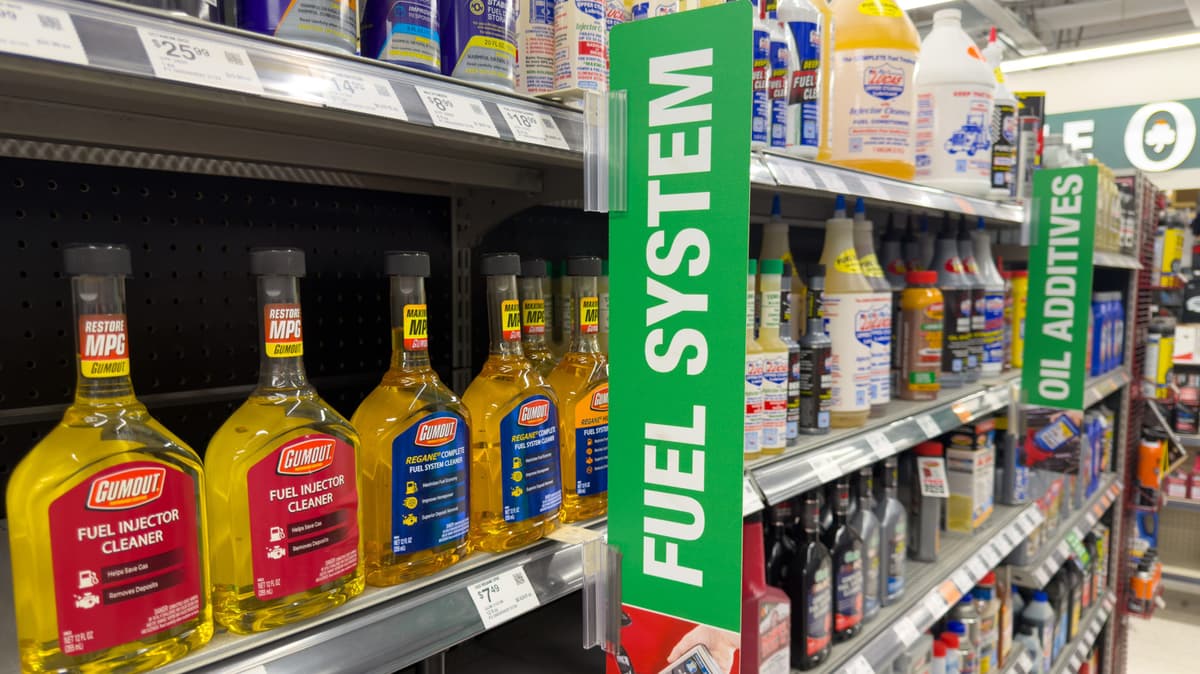
What's The Difference Between Fuel Stabilizer And Fuel Treatment?

Why It Matters
Proper use of stabilizers prevents costly engine wear during storage, while effective treatments maintain peak performance and fuel efficiency, directly impacting operating costs and vehicle longevity.
Key Takeaways
- •Fuel stabilizer prevents oxidation and moisture in stored gasoline or diesel
- •Treatment additives clean carbon deposits from injectors and intake valves
- •Top Tier fuel can reduce need for separate cleaning treatments
- •Misusing treatments may mask underlying mechanical problems
- •Stabilizer is essential for seasonal storage, especially with ethanol blends
Pulse Analysis
Fuel degradation is a silent threat that accelerates once gasoline or diesel sits idle. Oxidation creates gummy residues, while ethanol blends such as E85 attract moisture, leading to phase separation and corrosion. Adding a fuel stabilizer introduces antioxidants and metal‑deactivating agents that keep the fuel chemically stable for months, safeguarding fuel filters, pumps, and injectors. For seasonal vehicle owners and fleet managers, this translates into reliable cold‑start performance and avoidance of expensive injector cleaning after long storage periods.
Conversely, fuel treatments target the engine’s internal cleanliness. Modern direct‑injection designs are prone to carbon buildup on intake valves because fuel does not wash over them during combustion. Detergent‑rich treatments dissolve these deposits, improving airflow, restoring optimal air‑fuel ratios, and preventing valve damage. Regular use of Top Tier gasoline, which meets stricter detergent standards, can lessen the need for aftermarket treatments, but occasional additive use remains valuable for high‑performance or high‑mileage vehicles. Users must follow manufacturer guidelines, as over‑application can mask deeper mechanical faults.
Strategically, combining both approaches yields the best return on investment. Stabilizers protect stored fuel, reducing the risk of engine wear before the vehicle even runs, while periodic treatments keep the combustion system clean during active use. Fleet operators can schedule stabilizer applications before winter lay‑up and integrate treatment cycles during routine maintenance, optimizing fuel efficiency and extending engine life. This balanced regimen not only cuts downtime but also aligns with sustainability goals by minimizing emissions associated with inefficient combustion.
What's The Difference Between Fuel Stabilizer And Fuel Treatment?
Comments
Want to join the conversation?
Loading comments...