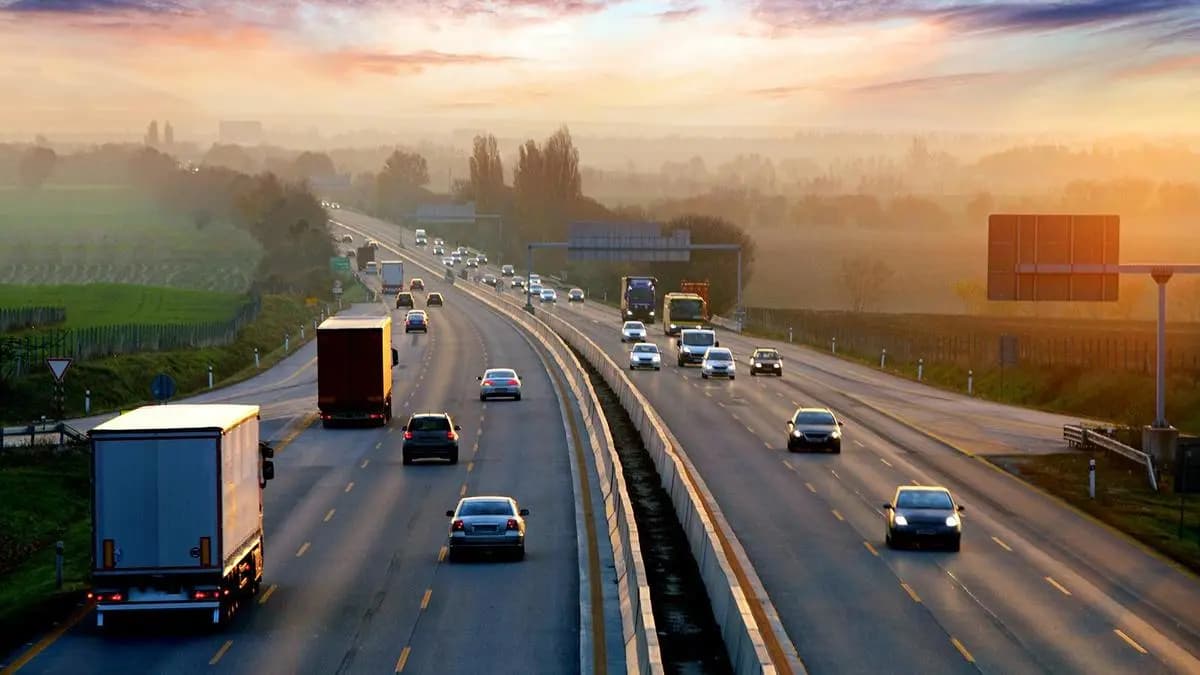
When Freight Finds Flow, Nations Find Growth
Why It Matters
By collapsing economic distance, faster, reliable freight cuts costs, reduces post‑harvest loss, and makes Indian supply chains competitive on a global scale.
Key Takeaways
- •Samruddhi Mahamarg cuts perishable transit times across Maharashtra
- •Delhi‑Mumbai Expressway spurs warehousing hubs in bypassed districts
- •Cash‑free tolling reduced vehicle wait from 90 to 8 seconds
- •Faster freight lowers fuel use, boosts fleet utilisation
- •Integrated corridors link inland factories to ports, driving exports
Pulse Analysis
For decades India’s logistics suffered from disjointed roads, long toll queues and unpredictable transit, leaving farmers and manufacturers paying an invisible tax of inefficiency. The lack of reliable corridors meant perishable produce often rotted before reaching markets, while manufacturers faced erratic supply‑chain lead times that hampered competitiveness. This systemic friction kept many districts economically isolated despite physical connectivity, limiting the country’s overall growth potential.
The recent rollout of high‑capacity highways is reshaping that landscape. The Samruddhi Mahamarg in Maharashtra and the Delhi‑Mumbai Expressway have created near‑continuous, high‑speed arteries that support Grade‑A warehousing and cold‑chain facilities, turning former backwaters into logistics hotspots. Innovations such as cash‑free, near‑stopless tolling have cut average vehicle dwell time from 90 seconds to under eight, translating into measurable fuel savings, higher fleet utilisation and tighter delivery windows. Multimodal corridors like Amritsar‑Jamnagar and Raipur‑Visakhapatnam now act as seamless extensions of ports, accelerating export‑linked industrial activity.
The broader impact extends beyond logistics. Faster, predictable freight lowers post‑harvest loss, improves farmer bargaining power, and enables quick‑commerce platforms to serve Tier‑II cities. Manufacturers gain synchronized supply chains, essential for automotive, electronics and emerging EV ecosystems. As highways evolve into productivity multipliers, they attract investment in logistics parks, fulfillment centres and industrial clusters, fueling a virtuous cycle of growth. In short, efficient roads are dissolving economic distance, unlocking new markets and positioning India as a more competitive player in global trade.
When freight finds flow, nations find growth
Comments
Want to join the conversation?
Loading comments...