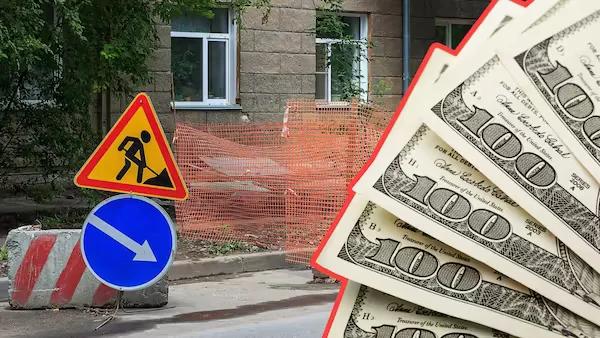
When the County Asks the City to Take Over a Road
Key Takeaways
- •City control enables crosswalks, trees, narrower lanes
- •Ownership imposes decades‑long maintenance costs
- •Viability depends on surrounding land’s tax base
- •Poorly valued corridors risk unsustainable infrastructure burdens
- •Decisions require long‑term financial analysis, not routine vote
Pulse Analysis
County‑city road transfers often appear as simple jurisdictional fixes, but they mask a shift in who bears the responsibility for a street’s long‑term performance. When a county owns a corridor, design standards prioritize vehicle throughput, limiting a city’s ability to add pedestrian‑friendly features such as crosswalks, street trees, or curb parking. Municipal leaders see the transfer as a chance to reshape the street to match local land uses and community goals. However, the decision moves the burden of upkeep from the county’s budget to the city’s, demanding careful scrutiny beyond the immediate appeal of control.
The hidden cost of ownership lies in the infrastructure life cycle. Pavement, storm‑water pipes, signals and sidewalks deteriorate over decades, requiring periodic resurfacing, pipe replacement, lighting upgrades and tree maintenance. These expenses are not one‑off items; they recur every 15 to 50 years and must be funded from the city’s general fund or dedicated fees. Crucially, the ability to meet those obligations depends on the tax base generated by the adjacent properties. High‑value mixed‑use districts can subsidize maintenance, while large parking lots or low‑density strips provide little revenue, creating fiscal strain over time.
Cities should treat each transfer as a strategic investment rather than a routine agenda item. A disciplined approach includes a detailed asset inventory, projected lifecycle costs, and a revenue analysis of the surrounding land uses. Some municipalities create maintenance districts or negotiate cost‑sharing agreements with the county to mitigate risk. By aligning street ownership with sustainable financing, cities can turn formerly auto‑oriented corridors into vibrant public spaces without compromising fiscal health. Ultimately, thoughtful stewardship ensures that today’s jurisdictional decisions do not become tomorrow’s budget crises for council members and taxpayers alike.
When the County Asks the City to Take Over a Road
Comments
Want to join the conversation?