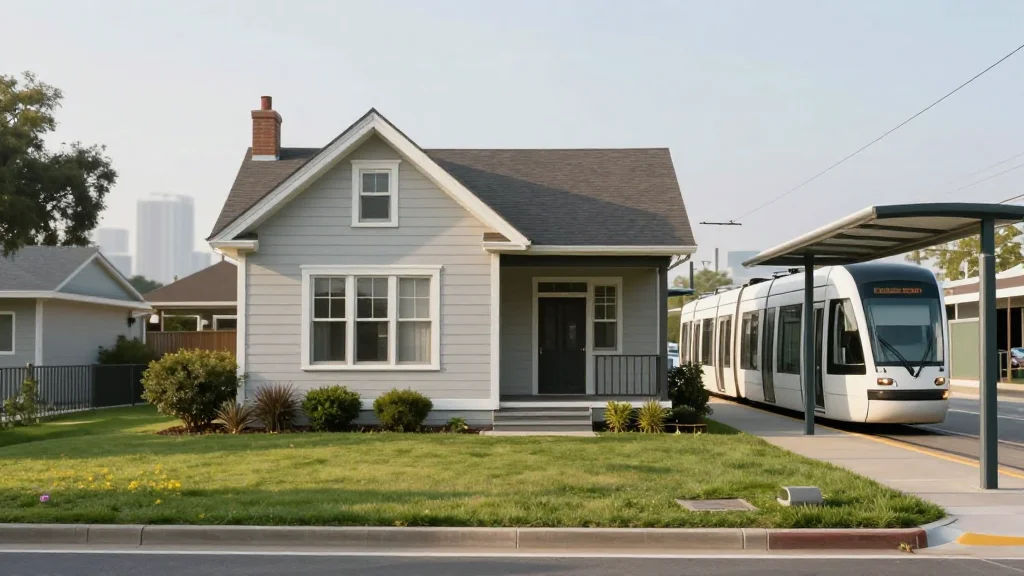
Where Do States Rank on Access to Public Transit?
Companies Mentioned
Why It Matters
The findings underscore how transit accessibility drives housing density, ridership growth, and emissions reductions, making TOD a pivotal tool for sustainable urban development.
Key Takeaways
- •California 73.4% homes within half‑mile of frequent transit
- •Mississippi only 10% of homes near reliable transit
- •10% of U.S. homes overall are transit‑adjacent
- •Alaska, Arkansas, Maine, Montana, South Dakota, West Virginia have zero transit‑adjacent homes
- •States adopting TOD policies see housing density near transit double since 1980
Pulse Analysis
The Urban Institute’s latest report quantifies a fundamental mobility gap: just one in ten American households lives close enough to regular, high‑frequency transit to consider it a viable alternative to the car. By mapping housing units within a half‑mile of reliable service, the study reveals a geographic patchwork—dense corridors in coastal metros contrast sharply with sprawling suburbs in the Sun Belt where transit is scarce. This granular view helps planners pinpoint where investment can yield the greatest equity and environmental dividends.
Policy momentum is evident as states like California and Massachusetts enact zoning reforms that permit taller, denser construction around rail and bus corridors. Seattle and Salt Lake City have more than doubled transit‑adjacent housing since the 1980s, illustrating how growth‑management mandates can unintentionally boost TOD outcomes. The report argues that aligning housing and transportation planning—through coordinated land‑use incentives, quality‑of‑life upgrades near stations, and reliable service frequency—creates a virtuous cycle of ridership and reduced car dependence.
Looking ahead, the challenge lies in scaling these successes amid post‑pandemic fiscal constraints and entrenched car culture. Expanding frequent service, especially in underserved regions, will be essential to make transit a genuine choice for the majority. As cities confront climate targets and housing affordability pressures, the data-driven insight that proximity matters provides a clear roadmap for policymakers seeking to lock in sustainable growth and curb urban sprawl.
Where Do States Rank on Access to Public Transit?
Comments
Want to join the conversation?
Loading comments...