Which Airlines Have Cancelled Flights to the Middle East? Latest Updates as US-Iran Ceasefire at Risk
Why It Matters
The disruptions slash revenue for airlines, strain global travel connectivity, and reshape route networks as carriers scramble to mitigate cost pressures and meet shifting passenger demand.
Key Takeaways
- •British Airways permanently drops Jeddah, reduces Middle East frequencies
- •Over 30 airlines suspend flights to Dubai, Tel Aviv, Riyadh
- •Jet‑fuel prices surge, adding cost pressure on carriers
- •Gulf Air set to resume London flights, signaling gradual airspace reopening
- •Qantas and Singapore Airlines add Europe routes to capture displaced demand
Pulse Analysis
The Israel‑Iran confrontation has turned the Middle East into one of the world’s most restricted airspaces. Nations bordering the conflict have closed their skies, and NATO‑allied air traffic control zones are imposing altitude and routing restrictions. This has forced airlines to either cancel services outright or take longer, fuel‑intensive detours, eroding on‑time performance and inflating operating costs. The uncertainty surrounding a potential ceasefire only deepens the risk, prompting carriers to adopt a cautious, short‑term outlook for the region.
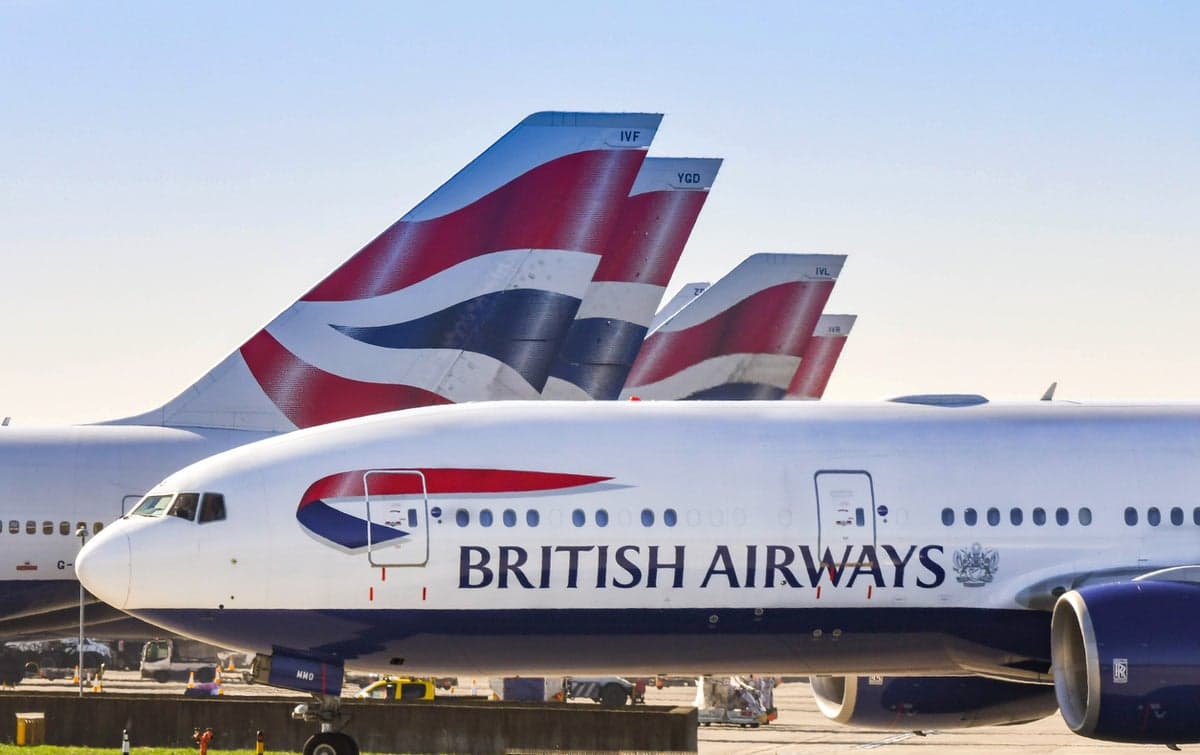
Airlines are responding with a mix of permanent network cuts and temporary suspensions. British Airways, for example, has eliminated its Jeddah route and will scale back flights to Dubai, Doha and Tel Aviv to a single daily service during the summer. Legacy groups such as Lufthansa, Air France and KLM have halted dozens of routes, while low‑cost operators like Wizz Air and Indigo have paused services to secondary airports. At the same time, carriers with strong European demand, such as Qantas and Singapore Airlines, are adding capacity on routes to Rome, Paris and London to capture passengers displaced by Middle‑East cancellations. The surge in jet‑fuel prices—up sharply since the conflict began—further squeezes margins, prompting airlines to prioritize higher‑yield markets.
The broader market impact extends beyond immediate revenue loss. Rerouted flights increase fuel burn and emissions, raising sustainability concerns and regulatory scrutiny. Airports in the Gulf lose transit traffic, affecting ancillary revenues from retail and lounges. Conversely, European hubs stand to gain as airlines redirect passengers seeking alternative connections. In the longer term, airlines may accelerate fleet diversification toward more fuel‑efficient aircraft to hedge against price volatility, while investors watch closely for how these operational shocks translate into earnings guidance. The evolving situation underscores the fragility of global air networks to geopolitical shocks and the need for agile route planning.
Which airlines have cancelled flights to the Middle East? Latest updates as US-Iran ceasefire at risk
Comments
Want to join the conversation?
Loading comments...