Which Extremely Specific Car Award Do You Wish Existed?
•March 3, 2026
0
Why It Matters
Specific awards could improve consumer decision‑making and differentiate brands, while challenging traditional revenue‑driven award models.
Key Takeaways
- •Awards drive site traffic and ad revenue.
- •Judges limited to cars present at test.
- •Broad categories obscure specific consumer preferences.
- •Niche awards could guide hyper‑focused buyers.
- •Creating micro‑awards requires low‑cost data collection.
Pulse Analysis
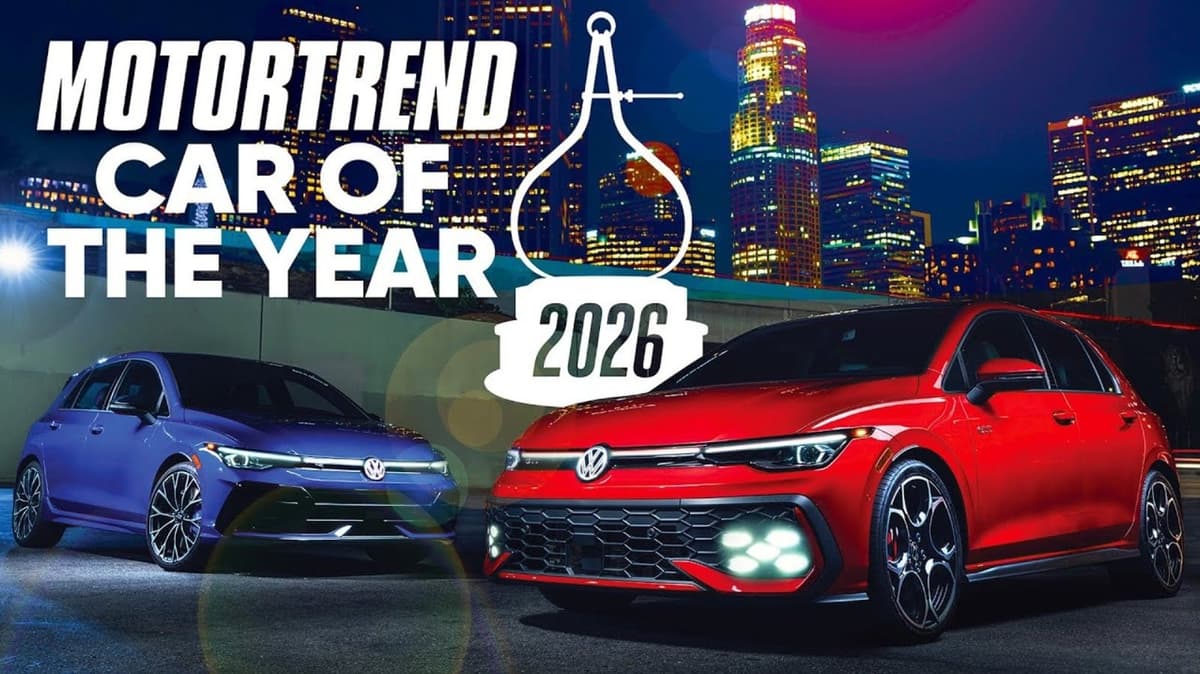
The automotive media landscape has turned award ceremonies into a traffic‑generation engine. Publications launch multiple “Car of the Year” or “SUV of the Year” contests each cycle, leveraging the buzz to attract clicks, boost page views, and sell premium ad slots. This model works because award headlines are inherently shareable, and the resulting data streams feed advertisers hungry for engaged, enthusiast audiences.
Yet the utility of these broad accolades is increasingly questionable. Judges can only evaluate vehicles that are physically available, meaning a loan‑car failure can exclude a top contender. Moreover, focusing solely on brand‑new releases ignores how newer models stack up against proven competitors from previous years. The result is a diluted signal for consumers who need concrete, comparable metrics rather than a generic endorsement that may not align with their priorities.
A shift toward hyper‑specific awards could restore relevance and empower buyers. Imagine a “Best Turn‑Signal Stalk” or “Most Ergonomic Gear‑Shift” award, judged by experts and crowdsourced feedback, delivering granular insights that directly influence purchase decisions. While such micro‑awards may attract less mass traffic, they can generate higher‑intent engagement and open niche sponsorship opportunities. Brands that excel in these focused categories can differentiate themselves, fostering loyalty among discerning drivers. The industry’s next evolution may lie in balancing broad visibility with targeted credibility, inviting enthusiasts to define the awards they truly care about.
Which Extremely Specific Car Award Do You Wish Existed?
0
Comments
Want to join the conversation?
Loading comments...