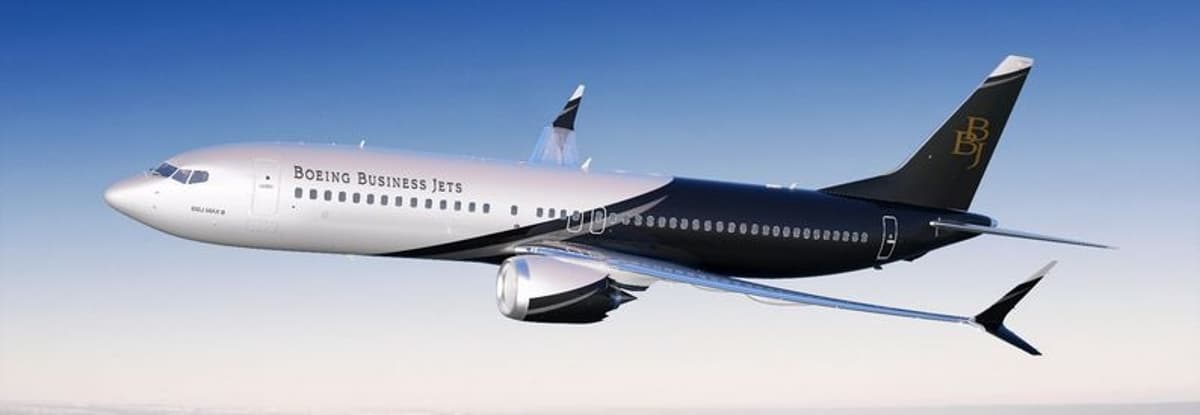
White House Repurposes Ex-DHS B737-8(BBJ) for Cabinet Duties
Why It Matters
Control of a $70 million BBJ expands the White House’s secure, long‑range transport capability while highlighting ongoing scrutiny of federal aviation spending tied to immigration enforcement programs.
Key Takeaways
- •White House takes ownership of ex‑DHS BBJ MAX 8 valued at $70 million.
- •Aircraft will serve cabinet, first‑lady, and VP travel with command capability.
- •Prior DHS lease faced scrutiny over personal use by Kristi Noem.
- •BBJ joins fleet of C‑32A, G650, G700 aircraft for VIP missions.
- •Procurement tied to $464.5 million deportation‑flight program under Noem.
Pulse Analysis
The acquisition of the BBJ MAX 8 marks a notable shift in how the executive branch manages its air‑mobility assets. Previously tied to a controversial DHS lease under former Secretary Kristi Noem, the jet’s $70 million price tag and alleged personal use sparked media attention. By transferring the aircraft to the White House, officials signal a desire for a dedicated, secure platform that can support rapid, long‑range missions without relying on commercial charters, reinforcing the administration’s emphasis on command‑and‑control readiness.
Integrating the BBJ into the existing fleet—alongside the C‑32A (B757) and Gulfstream G650/G700 jets—offers distinct operational advantages. The BBJ’s larger cabin and extended range enable cabinet members and the first lady to travel directly to distant locations while maintaining secure communications. Its configuration mirrors that of other VIP aircraft, ensuring compatibility with existing ground support and maintenance infrastructure at Camp Springs. This addition also alleviates scheduling pressures on the limited number of C‑32A planes, which are frequently tasked with vice‑presidential and diplomatic flights.
However, the purchase sits within a broader context of federal aviation spending linked to immigration enforcement. DHS’s earlier procurement of multiple Gulfstream and BBJ jets, funded by a $464.5 million deportation‑flight allocation, has drawn congressional and public scrutiny. The White House’s decision to retain the BBJ may invite further questions about transparency, cost‑effectiveness, and the prioritization of resources. As lawmakers examine the fiscal rationale behind such high‑value assets, the administration must balance operational needs with accountability to maintain confidence in its stewardship of taxpayer‑funded aviation programs.
White House repurposes ex-DHS B737-8(BBJ) for cabinet duties
Comments
Want to join the conversation?
Loading comments...