Why a Single Bypass Method Isn’t Enough
Why It Matters
A combined bypass strategy turns theoretical per‑bypass savings into real‑world profit, protecting fleets’ bottom lines and operational efficiency. It also reinforces safety‑based incentives by rewarding high‑ISS carriers with measurable time and fuel gains.
Key Takeaways
- •Dual bypass yields up to $775k annual savings for 200‑truck fleet
- •Mobile app bypass adds coverage but lacks reliability at high‑traffic sites
- •Transponder bypass ensures consistent skips at staffed, high‑volume weigh stations
- •Each bypass saves ~7 minutes, 0.5 gallon fuel, $10.65
- •Over 105,000 fleets (750k vehicles) use PrePass for bypass and tolling
Pulse Analysis
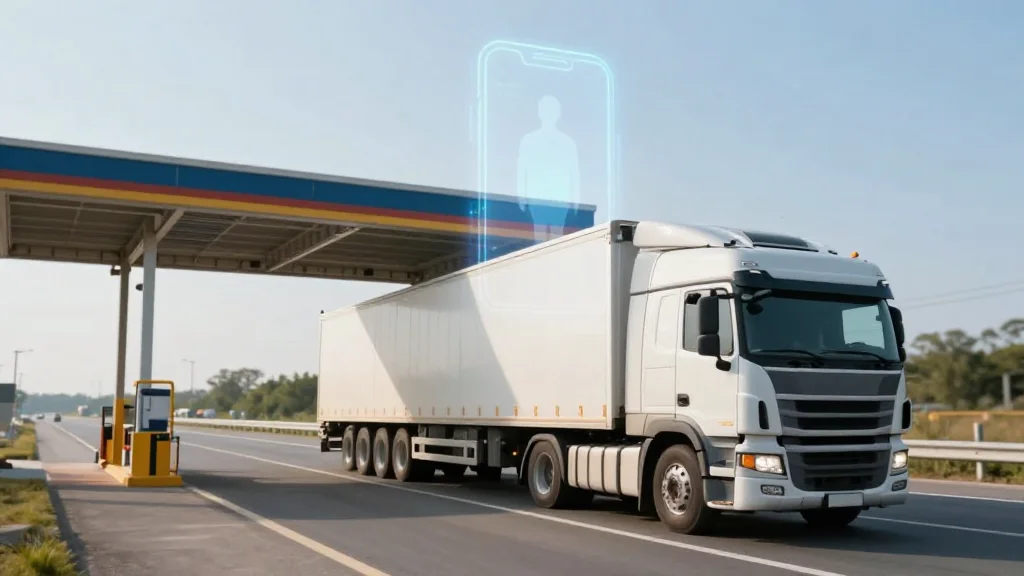
The rapid rollout of mobile‑app weigh‑station bypass reflects fleets’ desire for low‑cost, software‑only solutions. By leveraging a driver’s smartphone, carriers can instantly enroll and begin skipping inspections at any participating location, dramatically expanding the number of potential bypasses. However, the app’s reliance on cellular connectivity and GPS accuracy means it can falter at congested, high‑volume checkpoints where precise identification is critical. Without a fallback, fleets risk missing valuable skips, eroding the per‑bypass savings highlighted in the Mile Marker 2026 benchmark.
Transponder‑based bypass, the older but proven counterpart, offers rock‑solid reliability at the busiest stations. Fixed‑frequency devices communicate directly with weigh‑station readers, ensuring that qualified trucks are recognized instantly, even in adverse weather or low‑signal environments. When paired with the mobile app, the dual system creates a safety net: the transponder captures the high‑value skips while the app fills gaps at smaller or newer sites. This synergy translates into the projected $775,000 annual cost avoidance for a 200‑truck fleet, as well as cumulative fuel savings of over 3,600 gallons and more than 42,000 hours of driver productivity.
Beyond individual fleet economics, the dual‑method approach supports broader industry goals. Consistent bypasses reduce idle time, cutting emissions and aligning with sustainability initiatives. PrePass’s integration of toll payment further streamlines operations, eliminating manual toll violations and disputes. With over 105,000 fleets and 750,000 vehicles already subscribed, the platform’s scale reinforces its position as the de‑facto standard for North American bypass and tolling. As regulatory scrutiny intensifies, carriers that adopt both mobile and transponder solutions will be better positioned to meet safety benchmarks while maximizing operational efficiency.
Why a Single Bypass Method Isn’t Enough
Comments
Want to join the conversation?
Loading comments...