Why AI Agents Need to Re-Earn the License to Operate
Companies Mentioned
Why It Matters
Ongoing testing prevents costly failures, regulatory penalties, and reputational damage as AI agents operate in high‑stakes, evolving environments.
Key Takeaways
- •AI agents drift as models and data evolve
- •One‑time safety checks become obsolete after updates
- •Continuous verification mitigates regulatory and security risks
- •Interaction with other agents introduces emergent behavior
- •Realignment or retirement follows failed verification
Pulse Analysis
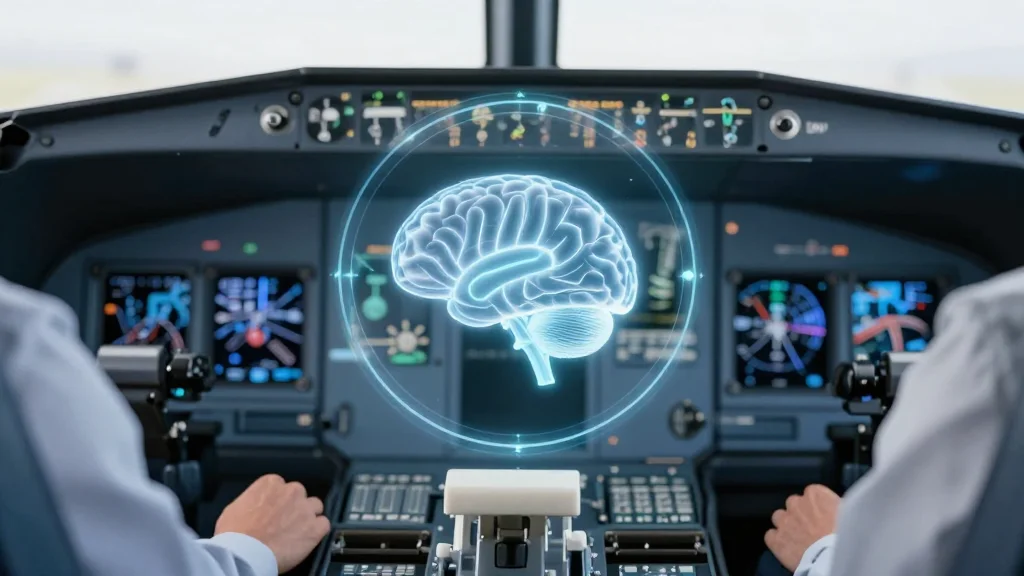
The push for continuous AI agent verification mirrors long‑standing practices in aviation and medicine, where recurrent assessments are mandatory to maintain safety. Just as pilots rehearse emergency scenarios in simulators, organizations must routinely stress‑test agents against evolving edge cases. This habit ensures that the underlying large language models, which receive frequent updates, do not silently introduce new failure modes that could compromise critical decisions.
Technical drift is a core driver for ongoing testing. Model upgrades, prompt refinements, and expanded data sets each alter an agent’s behavior, while real‑world interactions—especially when agents converse with other AI systems or external tools—create emergent dynamics that were never anticipated at launch. Moreover, adversarial attacks evolve in parallel, meaning an agent that once resisted known hacking techniques may become vulnerable as threat actors innovate. Continuous verification catches these subtle shifts before they manifest as operational or compliance breaches.
From a business perspective, the stakes are high. Regulatory frameworks in finance, healthcare, and legal services are accelerating, and non‑compliance can trigger fines, litigation, or loss of market access. Companies that embed verification into the AI lifecycle gain a competitive edge by demonstrating responsible AI stewardship, reducing risk exposure, and preserving customer trust. When an agent fails a verification cycle, the disciplined response—realignment or retirement—protects the organization’s brand and ensures that the AI license to operate is earned anew, not assumed indefinitely.
Why AI agents need to re-earn the license to operate
Comments
Want to join the conversation?
Loading comments...