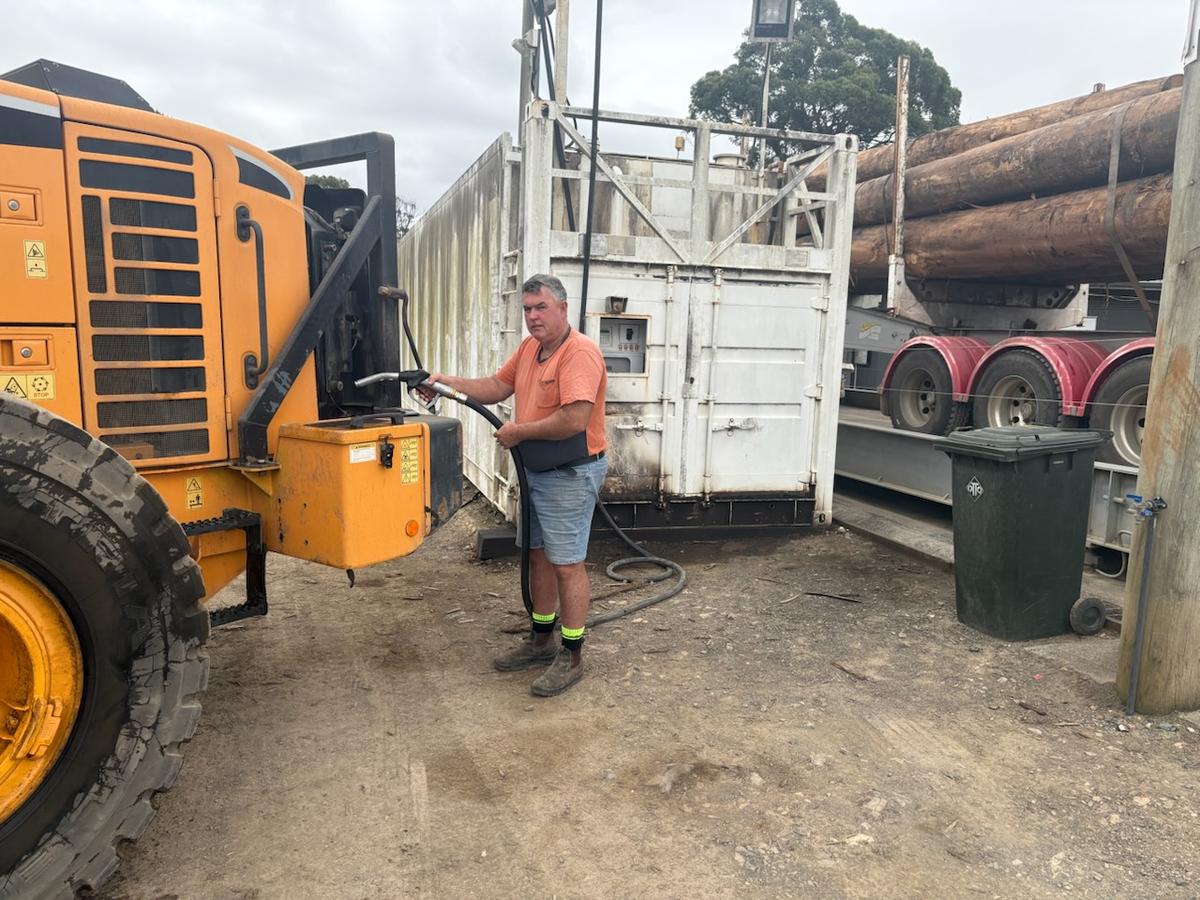
Why Australia Has to Boost Fuel Supply – and Electrify Transport
Why It Matters
Without a strategic shift toward electric and bio‑fuel solutions, Australia’s fuel reserves could become stranded assets and the country will remain vulnerable to global oil disruptions. The policy mix will shape the competitiveness of logistics, mining and agriculture sectors that depend heavily on diesel.
Key Takeaways
- •Coalition aims to double fuel reserves to 60 days (~1 bn L).
- •Australia’s six refineries closed; only two operate with subsidies.
- •Diesel consumption double petrol, at ~90 M L/day versus 44 M L.
- •Government added 300 M L diesel storage via co‑funding.
- •$1.1 bn AUD ($730 m USD) biofuel plan targets low‑carbon diesel.
Pulse Analysis
Australia’s fuel‑security dilemma stems from the rapid depletion of Bass Strait crude and the closure of six refineries, leaving the nation dependent on imported gasoline and diesel. The Coalition’s 60‑day reserve target translates to about one billion litres of storage, a figure that may appear reassuring but overlooks the structural shift toward imported feedstock. By contrast, the International Energy Agency’s 90‑day net‑import guideline reflects a world where domestic production once met most demand, a condition Australia no longer enjoys. Policymakers must therefore balance short‑term buffer capacity with long‑term diversification of energy sources.
Electrification offers the most sustainable path out of this vulnerability. Battery costs have fallen sharply, enabling electric passenger cars to achieve price parity with internal‑combustion models and making electric buses and delivery vans commonplace in Australian cities. Recent trials of electric trucks on medium‑range routes, such as Sydney‑Canberra, demonstrate that heavy‑duty transport can also transition, reducing diesel demand for logistics and mining. Coupled with expanding renewable generation and grid storage, electric mobility can be powered domestically, insulating the economy from volatile oil markets.
Complementary to electrification, the federal $1.1 billion AUD (≈$730 m USD) investment in low‑carbon liquid fuels aims to scale biodiesel production from tallow, vegetable oils and algae. While biofuel blends have struggled with cost and scale, they present a viable solution for long‑haul trucking where electric range remains limited. Aligning this funding with a robust vehicle‑efficiency scheme could accelerate adoption, freeing up scarce diesel for essential remote operations. Together, expanded storage, aggressive EV rollout, and targeted biofuel support form a pragmatic roadmap to resilient, lower‑emission transport in Australia.
Why Australia Has to Boost Fuel Supply – and Electrify Transport
Comments
Want to join the conversation?
Loading comments...