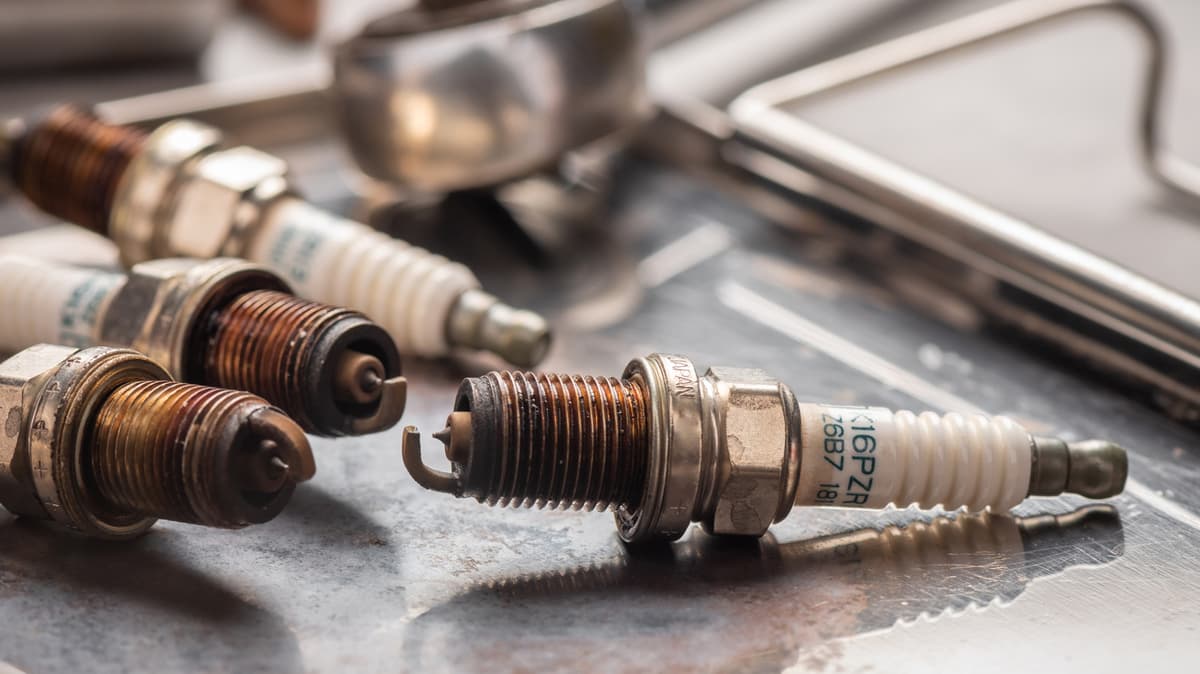
Why Can't Spark Plugs Fire When Completely Soaked?

Why It Matters
A soaked spark plug directly causes misfires, reducing performance, fuel efficiency, and emissions compliance, making timely diagnosis crucial for vehicle reliability and warranty compliance.
Key Takeaways
- •Water, fuel, oil, or coolant create conductive paths that block spark
- •Older carbureted engines flood easily, leading to gasoline‑soaked plugs
- •Condensation in plug wells can wet plugs during engine washes
- •Oil or coolant fouling signals deeper engine issues like gasket leaks
- •Drying, cleaning, or replacing plugs restores ignition once root cause fixed
Pulse Analysis
The ignition of a gasoline engine hinges on a precise electrical discharge across the spark plug gap. Under normal conditions, the ceramic insulator forces current to travel from the terminal nut through the center electrode, across the gap, and to the ground electrode, igniting the air‑fuel mixture. When any fluid—water, gasoline, oil, or coolant—coats the plug’s exterior or electrodes, it offers a path of lower resistance, shunting the current away from the gap and preventing the spark that powers combustion.
Fouling mechanisms differ between legacy and modern powertrains. Carbureted engines are prone to gasoline flooding during cold‑weather starts, especially when drivers pump the throttle, while fuel‑injected systems can leak injector spray into the well. External sources such as engine washes, standing water, or high humidity introduce moisture, and oil or coolant intrusion often signals worn piston rings, valve‑seal failure, or a compromised head gasket. Technicians use these clues to pinpoint broader mechanical failures rather than treating the plug as an isolated fault.
Remediation starts with drying or replacing the affected plugs and addressing the root cause. Simple steps include allowing plugs to air‑dry, using a flood‑clear mode, or cleaning with a wire brush and vinegar soak before re‑gapping. For oil or coolant contamination, repairing leaks or gasket issues is mandatory before reinstalling. Modern vehicles increasingly employ coil‑on‑plug designs and diagnostic sensors that can detect misfires early, reducing downtime and supporting emissions compliance. Proactive maintenance—regular plug inspection, proper gapping, and avoiding water exposure—helps preserve ignition reliability and overall engine health.
Why Can't Spark Plugs Fire When Completely Soaked?
Comments
Want to join the conversation?
Loading comments...