
Why It Matters
Effective crankcase ventilation protects engine durability, maintains fuel efficiency, and ensures compliance with stringent emission standards, making it critical for diesel vehicle reliability and environmental performance.
Key Takeaways
- •Crankcase breather vents blow-by gases to prevent pressure buildup
- •Diesel engines' high compression increases blow-by, needing robust ventilation
- •Closed ventilation recirculates gases, reducing emissions and oil leaks
- •CCV filters separate oil mist, returning oil to crankcase
- •Symptoms of failure include blue smoke, unstable idle, and oil leaks
Pulse Analysis
Crankcase ventilation is a fundamental engine subsystem that controls the inevitable blow‑by gases generated when a small fraction of fuel slips past the piston rings. Without a vent, these gases raise crankcase pressure, forcing oil past seals, creating leaks, contaminating oil, and compromising efficiency. Legislation introduced in the 1960s forced manufacturers to capture and reuse these vapors rather than release them directly into the atmosphere. Modern diesel and gasoline engines therefore incorporate a closed‑loop system that routes the gases back into the intake manifold for secondary combustion, keeping emissions within legal limits.
Two architectures dominate the market: open crankcase ventilation, common on legacy engines, simply exhausts blow‑by to the ambient air, and closed crankcase ventilation, which recirculates the vapors. Diesel powerplants rely on a more sophisticated closed system, often called a crankcase ventilation valve (CCV). The CCV contains a fine filter that traps oil mist, allowing clean gases to re‑enter the intake while the oil drips back into the sump, preserving lubrication and preventing oil‑laden deposits. Gasoline engines typically use a positive crankcase ventilation (PCV) valve that modulates flow based on engine load.
Although CCV units are low‑maintenance, they can degrade with mileage, especially beyond 50,000–60,000 miles. Early warning signs include blue smoke from the exhaust, a rough idle, discolored oil, a check‑engine light, or audible hissing noises. Unchecked pressure may rupture seals, leading to oil leaks and reduced fuel economy. In extreme cases, excessive blow‑by can cause diesel runaway, where unburned fuel continuously feeds the combustion chamber, posing a safety hazard. Regular inspection and timely filter replacement keep the ventilation system effective, supporting engine longevity and compliance with emission standards.
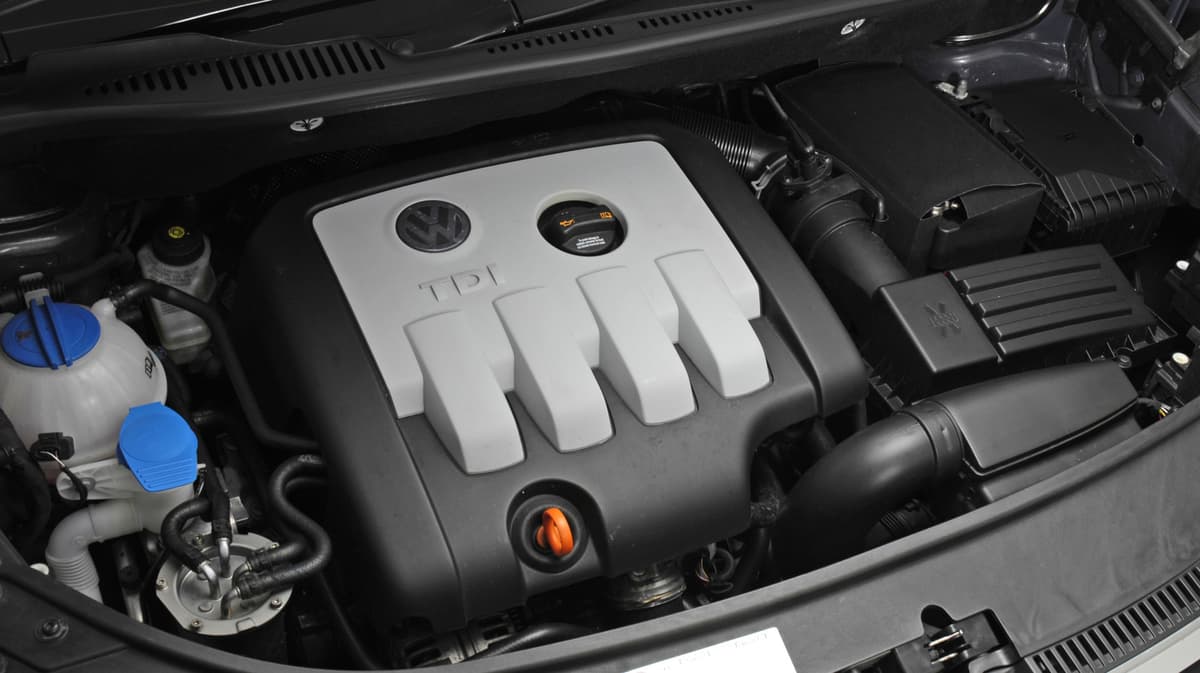
Why Do Diesel Engines Need A Crankcase Breather?
Comments
Want to join the conversation?
Loading comments...