Why It Matters
Epoxy block reinforcement can raise power output and durability, but improper use jeopardizes cooling and engine reliability, making it a critical decision for performance tuners and everyday drivers alike.
Key Takeaways
- •Epoxy bonds to metal, sealing cracks without shrinking
- •Closed‑deck design increases block stiffness for high‑stress use
- •Partial fills preserve coolant flow for daily‑driven engines
- •Specialized engine‑grade epoxy is required for reliable results
- •Professional expertise needed to avoid sealing critical passages
Pulse Analysis
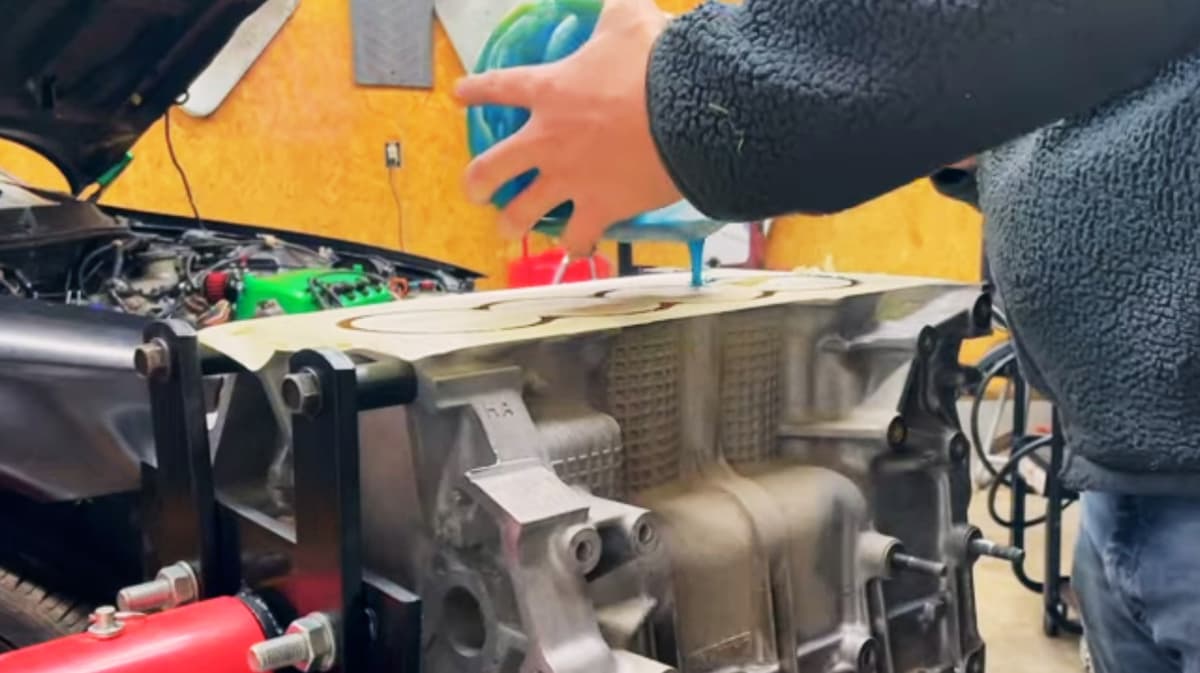
Epoxy reinforcement of engine blocks has moved from niche racing shops to a broader DIY conversation, yet the technology remains rooted in aerospace‑grade polymers. By infiltrating the cylinder walls, epoxy creates a composite structure that resists deformation under extreme combustion pressures, effectively turning a conventional cast‑iron or aluminum block into a semi‑solid monolith. This added rigidity allows manufacturers and aftermarket builders to push higher boost levels, increase bore sizes, or run aggressive cam profiles without fearing the classic "block flex" that can lead to head gasket failure.
Cooling considerations, however, are the Achilles' heel of epoxy‑filled blocks. Traditional engine designs rely on a network of coolant passages that snake through the block to dissipate heat. When epoxy is poured, any inadvertent blockage can cause hot spots, accelerated wear, or catastrophic overheating. Consequently, high‑performance shops often employ a "partial fill" strategy, targeting only the high‑stress zones while leaving primary coolant channels untouched. This approach balances the strength gains with the thermal management required for street‑legal reliability, a compromise that everyday drivers must weigh against the allure of raw power.
The market for engine‑grade epoxy is expanding, with manufacturers offering formulations that tolerate temperatures above 500 °F and resist oil and coolant exposure. Yet the process remains labor‑intensive: precise mixing ratios, controlled curing times, and post‑cure machining are essential steps. For most consumers, the safest path is to consult a certified performance shop, ensuring that the epoxy type, fill level, and post‑treatment align with the vehicle's intended use. As the automotive aftermarket continues to embrace advanced materials, epoxy block filling exemplifies how a seemingly simple material can redefine engine durability and performance when applied correctly.
Why Do People Fill Engine Blocks With Epoxy?
Comments
Want to join the conversation?
Loading comments...