Why Does The US Navy Sink Its Unwanted Ships On Purpose?
•March 8, 2026
0
Why It Matters
SinkEX balances cost‑effective disposal with training realism, but lingering toxins risk marine ecosystems and public scrutiny, influencing future naval decommissioning policies.
Key Takeaways
- •SinkEX provides realistic combat training using decommissioned ships.
- •Sinking ships can serve as artificial reefs for marine life.
- •Disposal cheaper than scrapping; cleanup adds extra cost.
- •SinkEX demonstrates U.S. firepower, sending strategic messages to rivals.
- •Environmental concerns arise from PCB contamination in sunken vessels.
Pulse Analysis
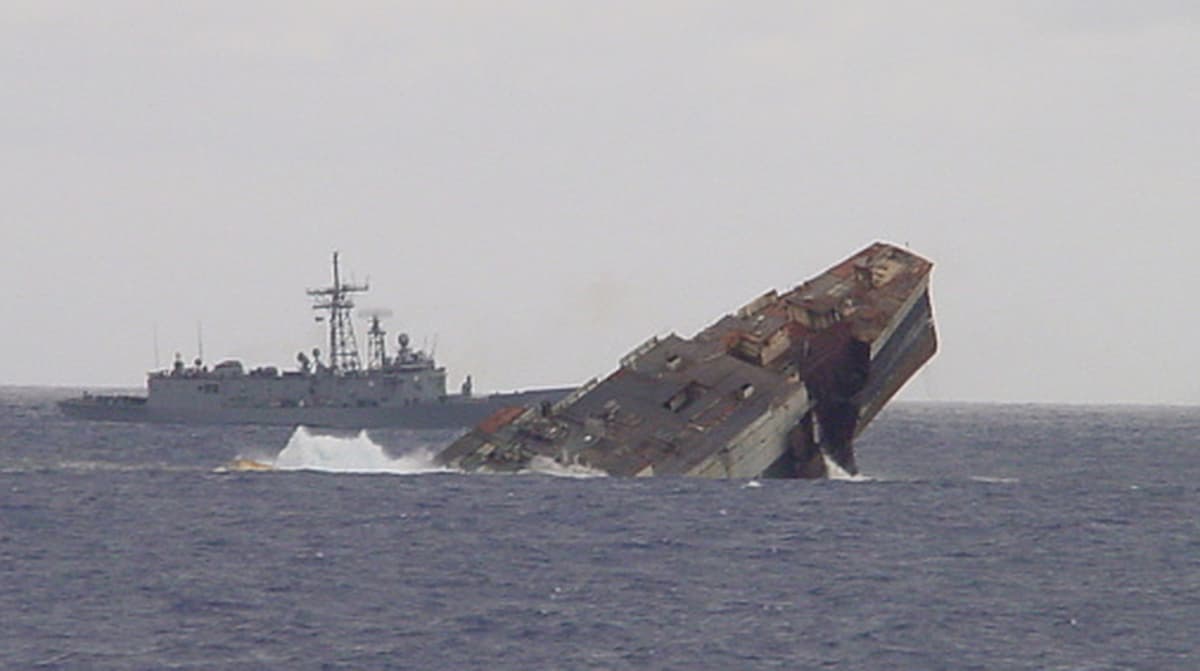
SINKEX, the Navy’s live‑fire sinking program, offers unparalleled realism for weapons testing and crew training. By targeting actual hulls, sailors experience the acoustic, visual, and structural feedback of combat scenarios that mock-ups cannot replicate. This hands‑on validation not only refines tactics but also sends a clear deterrent signal to potential adversaries, reinforcing U.S. maritime dominance in contested regions.
From a fiscal perspective, sinking decommissioned ships often undercuts the $200 k‑to‑$5 million price tag associated with traditional shipbreaking. However, the savings can evaporate when hazardous materials demand extensive remediation. The USS Oriskany’s $20 million PCB cleanup exemplifies how environmental compliance can inflate costs, prompting the Navy to weigh disposal methods carefully. As the fleet trims 19 vessels in 2025, cost‑benefit analyses will increasingly factor in both budgetary constraints and regulatory obligations.
Beyond training and economics, sunken hulls can become thriving artificial reefs, bolstering marine biodiversity and attracting tourism. Yet, the ecological upside is tempered by contamination risks; residual polychlorinated biphenyls and other toxins threaten ocean health. Activist pressure, exemplified by Erin Brockovich’s warnings, urges stricter decontamination protocols. Balancing strategic utility, fiscal prudence, and environmental stewardship will shape the Navy’s future approach to decommissioning and SINKEX operations.
Why Does The US Navy Sink Its Unwanted Ships On Purpose?
0
Comments
Want to join the conversation?
Loading comments...