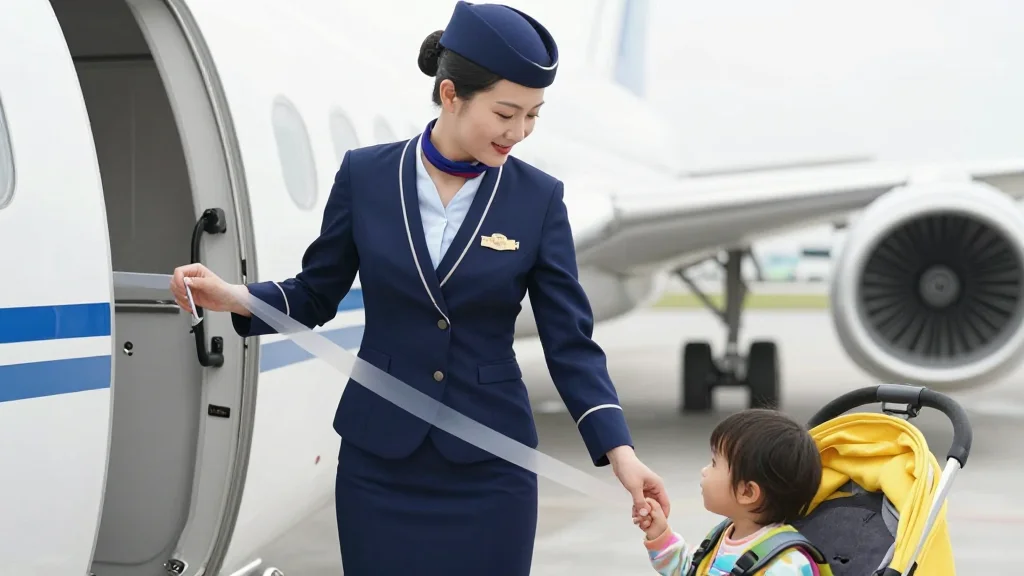
Why Flight Attendants Greet You at the Aircraft Door and the Red Flags They’re Trained to Spot Instantly
Why It Matters
The quick visual assessment enhances overall flight safety by ensuring that passengers who can assist in an evacuation are positioned appropriately and that potentially disruptive or medically unfit travelers are managed before takeoff.
Key Takeaways
- •Greeting serves as rapid safety assessment at boarding door
- •Crew checks sobriety, alertness, mobility, and anxiety signs
- •Able‑bodied passengers are identified for potential emergency assistance
- •Unruly or intoxicated travelers may be reseated or denied boarding
Pulse Analysis
Airlines treat the boarding greeting as a critical component of a layered safety system. Cabin crew undergo extensive training to read body language, gait, and facial cues within seconds, a practice reinforced by FAA and EASA regulations that require crews to evaluate passenger fitness for flight. By scanning for intoxication, agitation, or medical distress, attendants create an early‑warning net that can prevent in‑flight incidents and streamline communication with pilots and ground staff before the aircraft departs.
Identifying Able‑bodied Passengers (ABPs) is another strategic outcome of the hello. ABPs are the strong, mobile travelers who can open emergency exits and guide others during an evacuation, a process that studies show can be cut by up to 30% when capable passengers are positioned in exit rows. Crew use the initial assessment to allocate these seats, while also noting hidden‑disability signals such as the Sunflower lanyard, allowing them to offer tailored assistance without disrupting the boarding flow. This proactive seat planning directly supports regulatory evacuation time targets and enhances overall passenger confidence.
Passenger response plays an equally vital role. A simple smile, eye contact, or a brief mention of anxiety signals that the traveler is engaged and can be monitored more effectively. Conversely, headphones and phone screens create blind spots, making it harder for crew to spot early signs of panic or medical issues. Airlines increasingly empower crews to deny boarding to visibly intoxicated or threatening individuals, reinforcing a culture where safety supersedes convenience. Understanding this behind‑the‑scenes protocol helps travelers appreciate the brief greeting as a shared safety responsibility rather than a perfunctory nicety.
Why flight attendants greet you at the aircraft door and the red flags they’re trained to spot instantly
Comments
Want to join the conversation?
Loading comments...