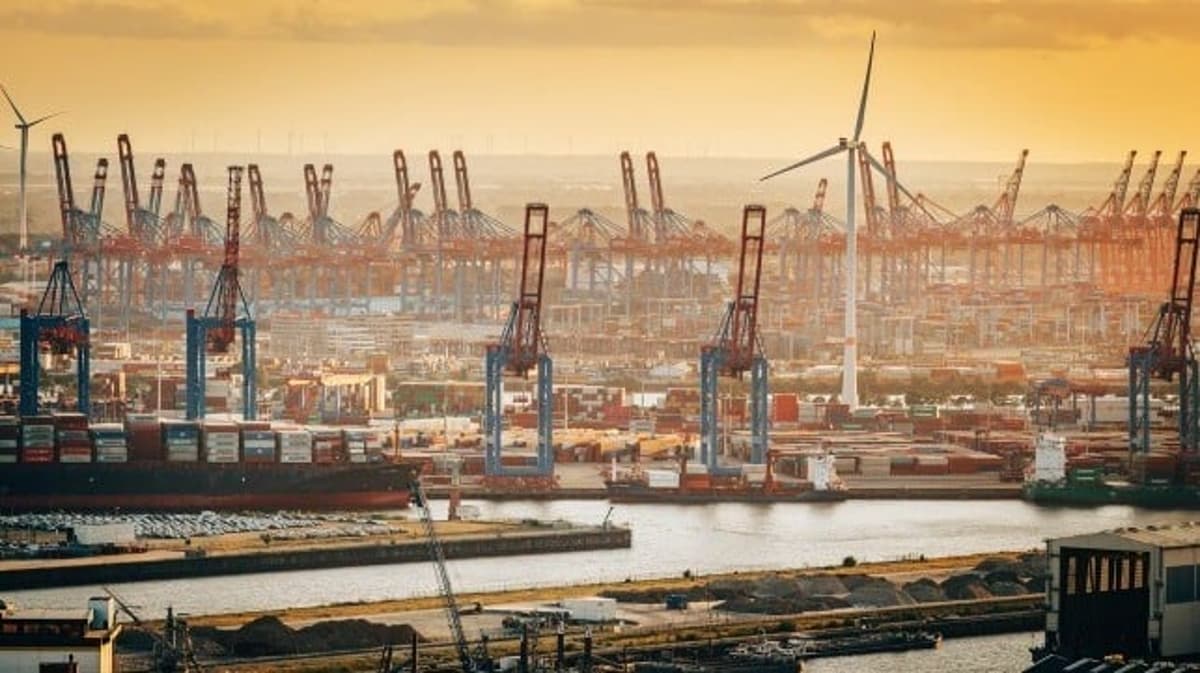
Why Freight Decarbonization Must Become Network-Based
Why It Matters
Network‑based scaling is the only path to achieve the emissions cuts needed for climate targets while keeping supply chains competitive, making it a strategic imperative for logistics providers and policymakers.
Key Takeaways
- •Green corridors validate concept; networks required for true scale
- •Transport legs need volume, frequency, reliability to attract shippers
- •Shippers balance cost, time and emissions when routing
- •Digital platforms coordinate decisions across ports, carriers, rail
- •Nordic pilots show reusable legs enable flexible low‑emission solutions
Pulse Analysis
Decarbonizing freight has long relied on high‑visibility green corridors, but the next phase demands a shift to network orchestration. By treating each ferry route, rail segment or port link as a reusable transport leg, operators can bundle these assets into multiple supply‑chain configurations. This modular approach unlocks economies of scale, allowing the same infrastructure to serve diverse industries while meeting the volume, frequency and reliability criteria that shippers require for predictable operations.
The real catalyst for scaling lies in shipper‑driven decision making. Logistics buyers evaluate alternatives through a three‑dimensional lens—cost, transit time and carbon footprint. When low‑emission legs can compete on price and speed, they become a default choice rather than a niche pilot. Consequently, investments in hydrogen, ammonia or electrified vessels must be coupled with service designs that deliver consistent performance, otherwise the assets remain underutilized despite their environmental benefits.
Digital collaboration is the connective tissue that binds these network components. Platforms such as the Virtual Watch Tower provide shared situational awareness, enabling ports, carriers and rail operators to synchronize schedules, share emissions data and jointly respond to disruptions. The Nordic Innovation report illustrates how this coordination, combined with interoperable data standards, transforms isolated pilots into a continent‑wide, shipper‑relevant freight ecosystem. As other regions emulate the Nordic model, the industry moves closer to a future where sustainable transport is embedded in everyday logistics decisions, accelerating both climate goals and commercial efficiency.
Why Freight Decarbonization Must Become Network-Based
Comments
Want to join the conversation?
Loading comments...