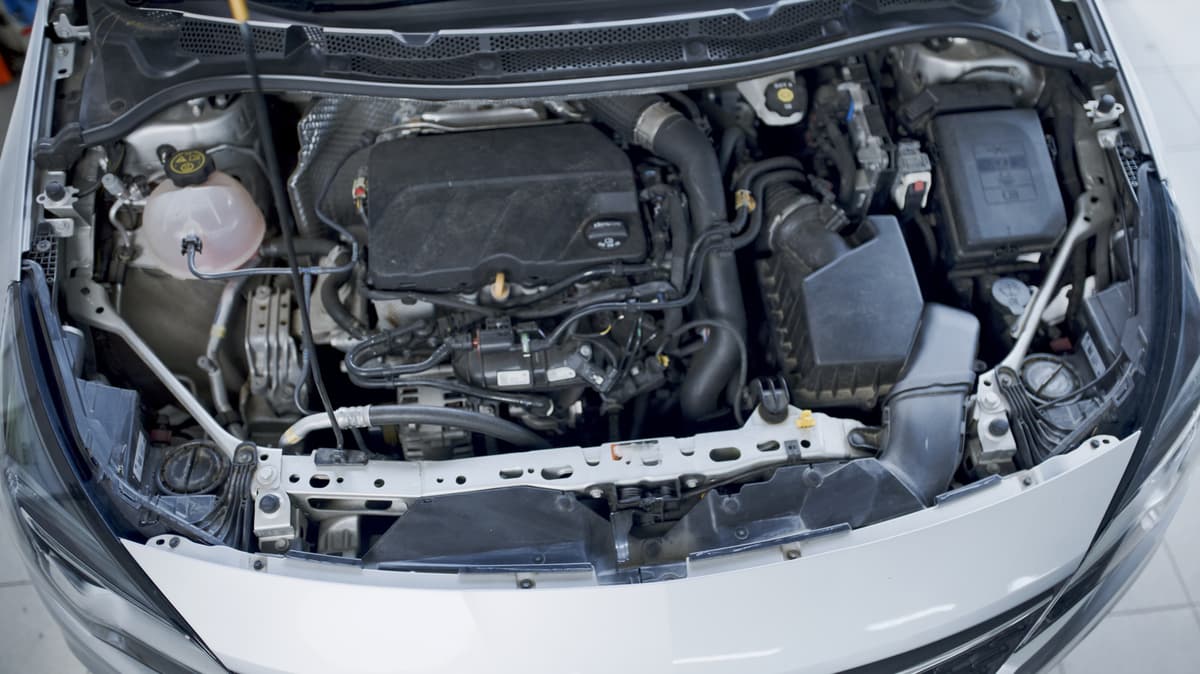
Why New Cars Don't Offer Engine Options Like Old American Cars Did
Why It Matters
Regulatory pressure and technology convergence are reshaping vehicle architecture, limiting consumer choice but accelerating efficiency and emissions gains across the auto industry.
Key Takeaways
- •EPA Clean Air Act limits multiple engine variants per model
- •CAFE efficiency targets push manufacturers toward shared powertrains
- •Turbocharging lets 2‑liter engines out‑perform classic V8s
- •Modern downsized engines meet performance while cutting emissions
- •Ford’s 2026 F‑150 offers only two EcoBoost V6 choices
Pulse Analysis
The United States’ Clean Air Act, enacted in the 1970s, granted the EPA sweeping authority to curb vehicle emissions. Over the decades, successive amendments have tightened permissible pollutant levels, compelling automakers to abandon the era of unrestricted V8 proliferation. Parallel to these mandates, CAFE standards introduced fleet‑wide fuel‑efficiency quotas that penalize manufacturers for high‑consumption powertrains. The combined regulatory framework forces a strategic shift: instead of engineering a distinct engine for each model, OEMs consolidate around a limited set of powerplants that can satisfy both emissions caps and mileage targets.
Technological breakthroughs have turned this constraint into an opportunity. Turbocharging, direct fuel injection, variable valve timing, and advanced engine management systems now enable a 2‑liter four‑cylinder to produce 300+ horsepower—figures once reserved for 5‑liter V8s. Downsizing reduces internal friction and weight, while maintaining—or even improving—acceleration and towing capacity. These efficiencies translate to lower CO₂ output, helping manufacturers meet EPA and CAFE goals without sacrificing the performance cues that buyers still demand. The result is a homogenized engine lineup that delivers muscle‑car thrills through forced induction rather than sheer displacement.
For consumers, the narrowed selection simplifies purchasing decisions but also curtails the ability to tailor a vehicle to niche preferences, such as a high‑displacement V8 for pure sound and feel. Brands now differentiate through software calibrations, hybrid integration, and optional performance packages rather than distinct engine families. Looking ahead, the trend dovetails with the industry’s electrification push, where internal‑combustion engines serve as range extenders or are phased out entirely. Understanding how regulation, technology, and market strategy intersect offers insight into why the classic engine variety has faded and what the next generation of powertrains will look like.
Why New Cars Don't Offer Engine Options Like Old American Cars Did
Comments
Want to join the conversation?
Loading comments...