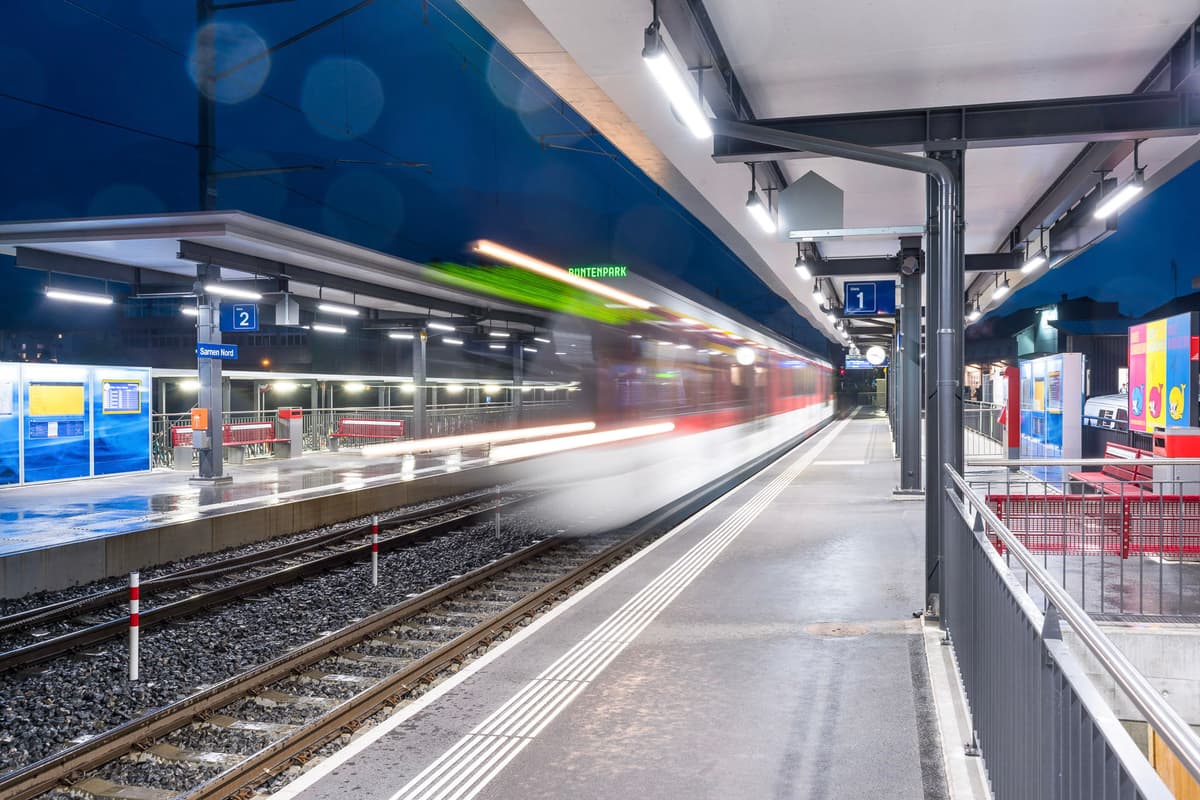
Why Passenger Information Needs to Be Treated as a Platform, Not a Collection of Systems
Why It Matters
A unified PIS platform cuts integration costs, mitigates cyber risk and aligns long‑life rolling stock with fast‑moving digital innovation, giving operators a sustainable competitive edge.
Key Takeaways
- •Fragmented PIS cause integration delays and disputes.
- •Unified IP‑based platform standardizes interfaces across fleet.
- •Software updates extend hardware life, saving up to $100k.
- •Centralized security simplifies compliance and reduces risk.
- •Open MPI interface prevents vendor lock‑in.
Pulse Analysis
The rail industry’s digital transformation is forcing a rethink of legacy passenger information systems. Operators traditionally cobbled together disparate displays, speakers and diagnostics from multiple vendors, creating a patchwork of proprietary protocols. Today, the shift toward software‑defined, Ethernet‑backed platforms offers a single architectural spine that can span any vehicle type, station kiosk or control centre. This convergence not only simplifies integration but also provides the scalability needed for future services such as real‑time crowd analytics or personalized journey updates.
From a financial and environmental perspective, the platform model unlocks significant efficiencies. By retaining existing LED screens, Ethernet switches and other hardware whose service lives can match a 30‑year rolling stock horizon, operators avoid costly full‑system replacements. Remote software upgrades further extend asset usefulness, delivering savings that can reach high five‑figure to six‑figure amounts—roughly $100,000 per four‑car set. The reduced material turnover also cuts electronic waste, aligning rail operators with broader sustainability goals and regulatory pressures.
Cybersecurity and vendor independence are critical in a hyper‑connected rail ecosystem. A unified platform centralizes security policies, allowing consistent threat monitoring, patch management and compliance across all subsystems. Open standards like cn‑mobility’s MPI interface ensure interoperability and prevent lock‑in, giving operators the flexibility to swap hardware suppliers without overhauling the entire system. To stay ahead, rail companies should define a holistic passenger information strategy now, incorporating stations, trains and control centres, and invest in a platform that can evolve safely and cost‑effectively over the vehicle’s lifespan.
Why Passenger Information Needs to Be Treated as a Platform, Not a Collection of Systems
Comments
Want to join the conversation?
Loading comments...