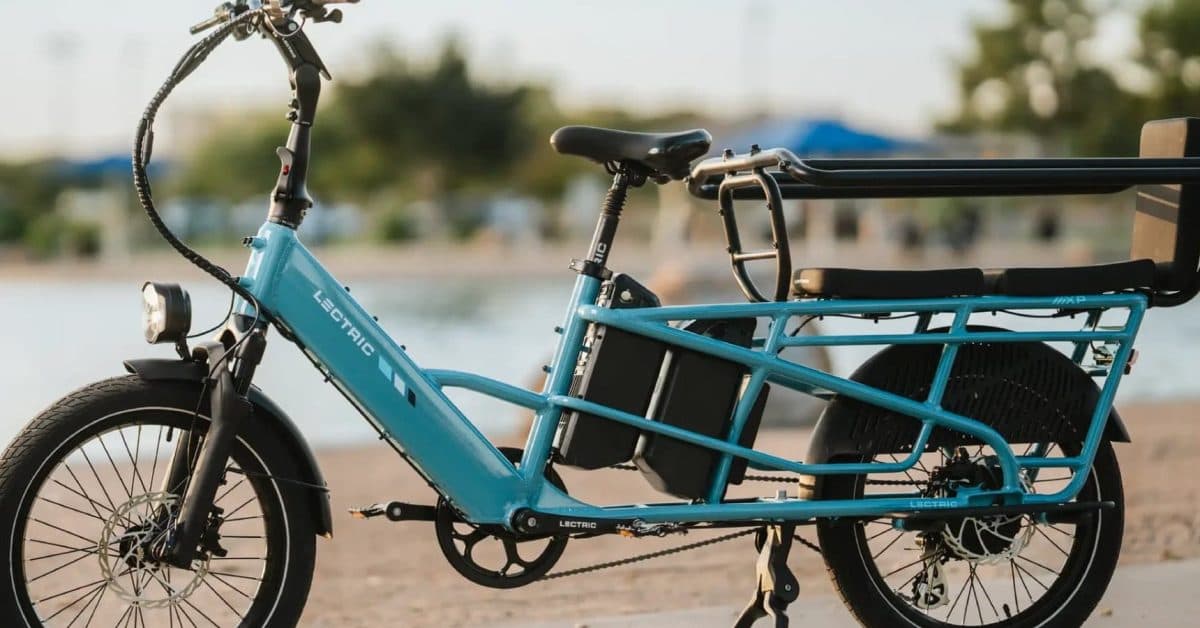
Why Pushback Is Growing Against New Jersey’s Crazy E-Bike Law
Why It Matters
The mandate threatens to raise costs and administrative hurdles for millions of commuters and gig‑economy workers who rely on affordable e‑bikes, potentially slowing the adoption of a low‑carbon transport mode. It also sets a regulatory precedent that could shape e‑mobility rules nationwide.
Key Takeaways
- •All e‑bikes in NJ now require license and registration
- •High‑speed e‑motos face insurance mandates, but rules remain vague
- •Over 2,100 letters of opposition filed within weeks of enactment
- •Delivery workers and cargo‑bike users risk losing affordable transport
- •Law could become benchmark for other states regulating e‑mobility
Pulse Analysis
The rapid rise of electric bicycles has reshaped urban commuting, offering a zero‑emission alternative to cars and public transit. New Jersey’s new statute, however, collapses the nuanced classification system that distinguishes Class 1 and Class 2 pedal‑assist bikes from high‑powered e‑motos. By imposing a uniform licensing and registration framework, the state aims to curb accidents but inadvertently creates a one‑size‑fits‑all barrier that could discourage everyday riders from adopting the technology.
Stakeholders ranging from advocacy groups to delivery‑service operators have mobilized against the law, citing equity and practicality concerns. Low‑speed e‑bikes serve as essential workhorses for immigrant and low‑income communities, delivering groceries, medical supplies, and commuting to jobs. The added costs of licenses, registration fees, and potential insurance premiums threaten to erode these economic benefits, prompting a wave of public comments and a high‑visibility rally at the Statehouse. Critics argue that safety should focus on illegal high‑speed e‑motos rather than penalizing commuters who ride within existing speed limits.
If New Jersey’s approach proves untenable, it could become a cautionary tale for other states wrestling with e‑mobility regulation. Policymakers nationwide are watching to see whether broad, punitive measures deter unsafe riding or simply stifle a growing clean‑transport sector. Industry players are lobbying for differentiated rules that preserve the low‑cost appeal of commuter e‑bikes while still targeting dangerous high‑speed machines. The outcome will likely influence the balance between safety oversight and the promotion of sustainable urban mobility across the United States.
Why pushback is growing against New Jersey’s crazy e-bike law
Comments
Want to join the conversation?
Loading comments...