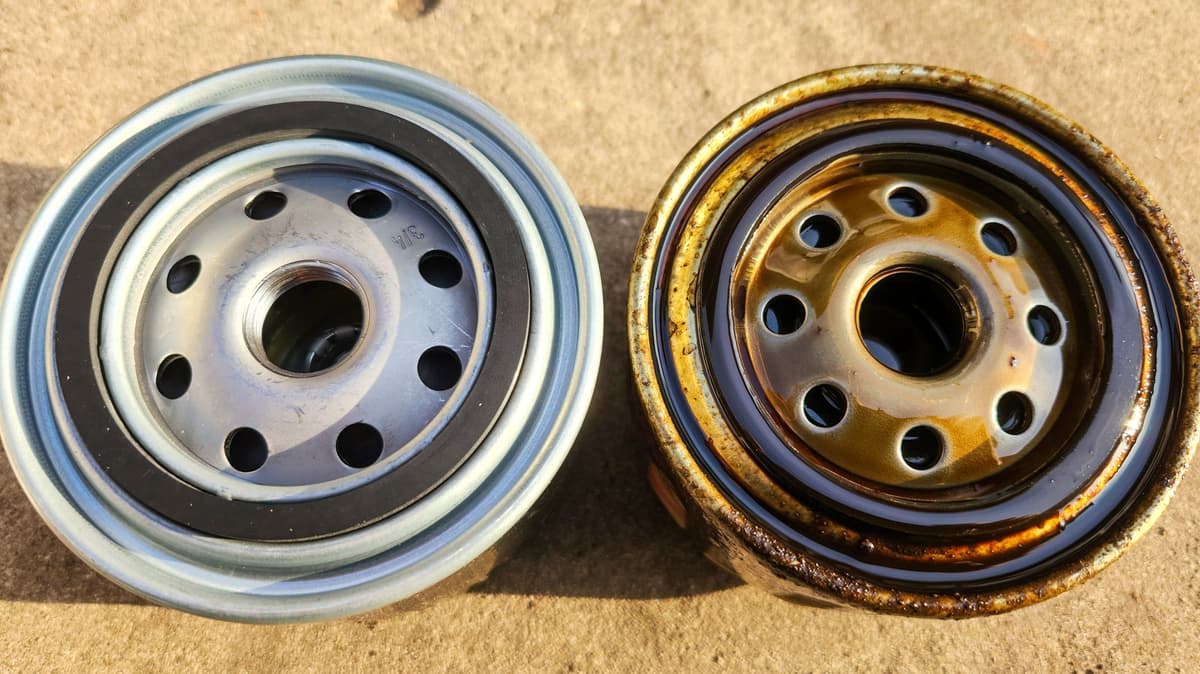

Why It Matters
A compromised oil filter can accelerate engine wear, leading to costly repairs and reduced vehicle reliability, making proper filter replacement essential for both performance and cost control.
Key Takeaways
- •Standard oil filters last about 5,000 miles before clogging
- •Synthetic filters can double lifespan to roughly 10,000 miles
- •Reusing filters may let unfiltered oil damage engine components
- •New filter price ranges $7‑$40, far cheaper than repair costs
- •Clogged filter triggers bypass valve, allowing dirty oil circulation
Pulse Analysis
Oil filtration is the unsung hero of engine longevity. Modern engines rely on a steady stream of clean lubricant to minimize friction between moving parts, and the filter’s role is to capture metal shavings, soot, and degraded oil molecules before they reach critical bearings. When a filter is reused, its media is already saturated, reducing flow rate and prompting the built‑in bypass valve to open. This safety mechanism prevents oil starvation but does so at the expense of circulating unfiltered oil, which can quickly erode tolerances and precipitate premature wear.
The market offers two primary filter constructions: conventional paper‑based media and synthetic blends of glass, polyester, and artificial cellulose. Standard paper filters typically require replacement every 5,000 miles, aligning with many manufacturers’ oil‑change intervals. Synthetic filters, however, boast a denser, more resilient matrix that can trap up to 99% of particles larger than 20 microns and sustain service for up to 10,000 miles. The trade‑off is price—synthetic units often cost twice as much as their paper counterparts—but for high‑load applications such as towing, off‑roading, or performance driving, the extended interval can offset the higher upfront cost.
For most daily drivers, the prudent approach is simple: replace the filter with each oil change, following the vehicle’s service schedule. This habit eliminates the gamble of bypass‑valve activation and safeguards engine health. While reusing filters might appear environmentally friendly, the marginal waste reduction is outweighed by the risk of costly engine repairs and increased emissions from a poorly lubricated engine. Investing $7‑$40 in a fresh filter is a small price for preserving performance, resale value, and long‑term reliability.
Why Reusing Your Oil Filter Can Be A Roll Of The Dice
Comments
Want to join the conversation?
Loading comments...