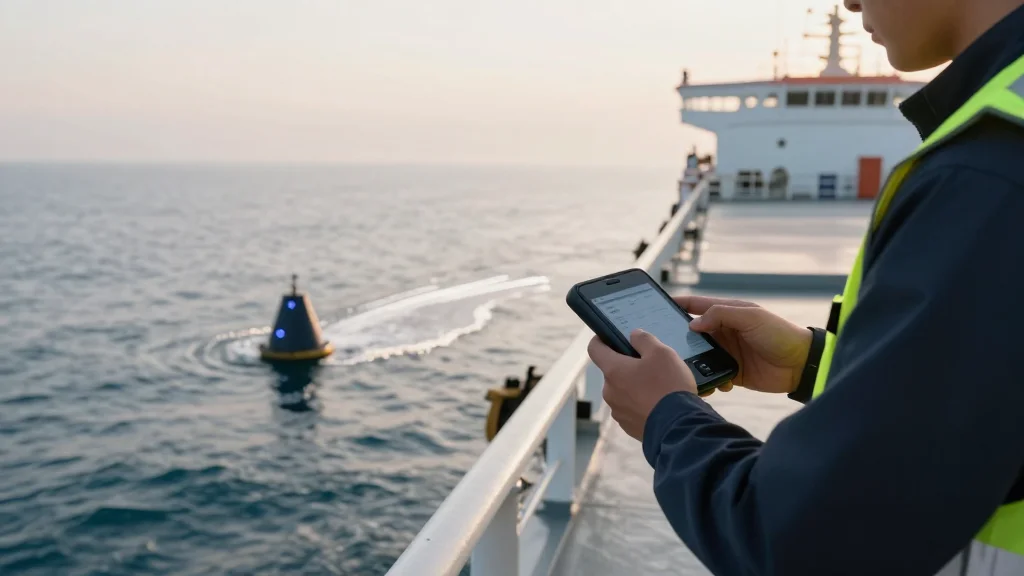
Why Seafarers Are Now the Frontline Against Marine Pollution
Why It Matters
Real‑time, crowdsourced spill data accelerates response, reducing environmental damage and supporting regulators. Engaging seafarers creates the most extensive, cost‑effective monitoring network on the planet.
Key Takeaways
- •Eyesea expands from plastic mapping to oil‑spill tracking
- •New tool lets crew report spills in real time
- •Crowdsourced data improves response speed for authorities
- •Seafarer engagement boosts global marine pollution monitoring
Pulse Analysis
Marine pollution remains a critical challenge, with oil spills ranking among the most damaging events for ecosystems and economies. Traditional monitoring relies on satellite imagery and limited on‑shore sensors, leaving vast oceanic regions under‑observed. Seafarers, who traverse these waters daily, represent an untapped data source. Eyesea’s original platform harnessed this potential for plastic debris, creating a crowdsourced map that filled critical knowledge gaps and spurred industry collaboration.
The latest addition—a dedicated oil‑spill reporting module—integrates directly into the existing Eyesea app used by thousands of ship officers worldwide. Using GPS‑tagged entries, crew members can upload photos, spill size estimates, and vessel proximity, delivering near‑instant alerts to coastal authorities and response teams. The technology leverages low‑bandwidth satellite communications, ensuring functionality even in remote regions. Early pilots have shown a 40% reduction in reporting latency compared with conventional channels, enabling faster containment and mitigation actions.
Beyond immediate response benefits, the initiative signals a shift toward participatory environmental stewardship in the maritime sector. Regulators are increasingly recognizing crowdsourced data as a credible supplement to official monitoring, potentially influencing future compliance frameworks. For shipping companies, the tool offers a proactive compliance asset, reducing liability and enhancing corporate sustainability profiles. As Eyesea continues to broaden its pollutant catalog, the partnership between technology providers and seafarers could become a cornerstone of global ocean health strategies.
Why seafarers are now the frontline against marine pollution
Comments
Want to join the conversation?
Loading comments...