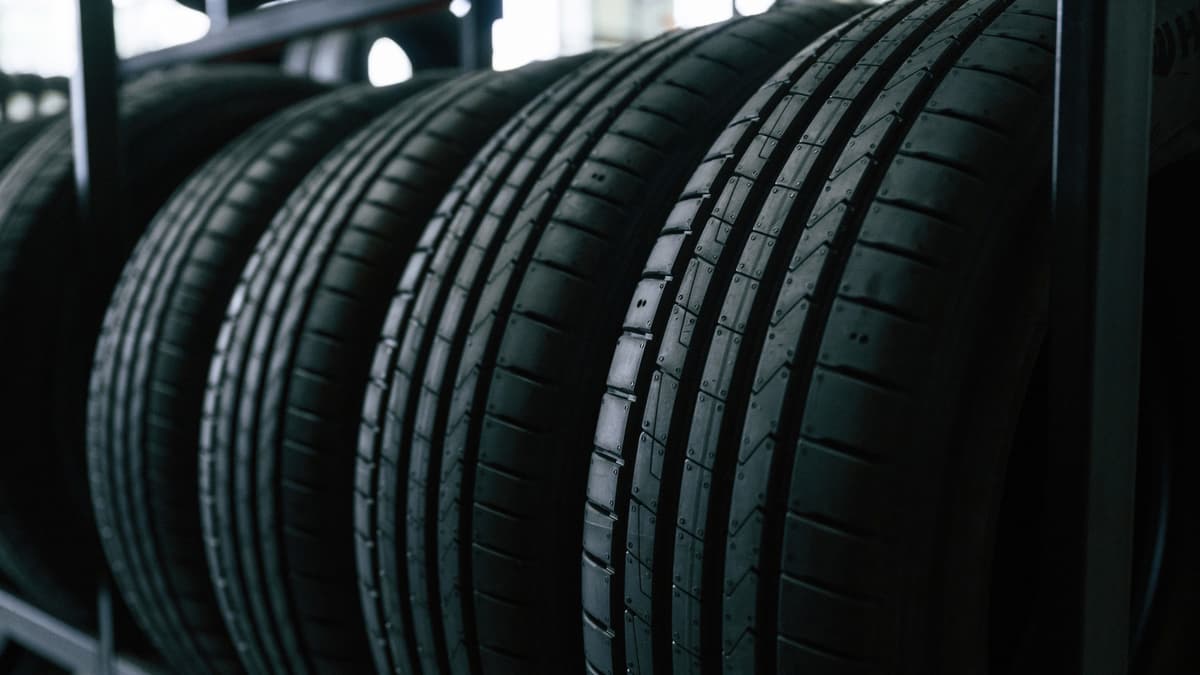
Why Shaving Is The Secret To A Cheaper AWD Tire Replacement

Companies Mentioned
Why It Matters
Matching tires preserve AWD reliability and avoid costly drivetrain repairs, while shaving provides a cost‑effective solution for consumers facing expensive full‑set replacements.
Key Takeaways
- •AWD requires same-diameter tires to avoid drivetrain damage
- •Replacing one tire can cost $700+ versus shaving
- •Shaving costs $25‑$35, saving up to $700
- •Warranty may be voided; not all shops provide shaving
- •Viable only when remaining tires have sufficient tread
Pulse Analysis
AWD systems distribute power to all wheels, relying on uniform tire circumference to calculate torque and slip. Even a fraction of an inch difference in tread depth alters effective wheel radius, prompting the computer to constantly compensate. Over time this can overheat differentials, wear seals, and trigger premature failure. Manufacturers therefore advise matching tire tread across all four corners, a recommendation that drives the industry’s $1,000‑plus price tag for a new set on popular crossovers like the Hyundai Tucson.
Tire shaving, a technique borrowed from motorsports, trims the tread of a new tire on a precision lathe until its diameter aligns with the older set. Shops such as Tire Rack charge $25‑$35 per tire, turning a $1,000 expense into a $300‑$350 outlay when three tires still have usable life. The savings are compelling, especially for budget‑conscious owners, and the process can extend the service interval without compromising handling. While not universally available, the growing awareness of shaving as a legitimate aftermarket service is prompting more independent shops to invest in the equipment.
Consumers must weigh the trade‑offs. Shaving removes a portion of the warranty coverage, and some manufacturers explicitly forbid the practice, risking voided guarantees on tires that typically cost $250 or more. The method is best suited when the remaining three tires retain at least 70% tread depth and the vehicle’s spare has been rotated regularly. In cases where tread wear is uneven or the spare is unused, a full replacement remains the safer route. Understanding these nuances helps owners make informed decisions that balance drivetrain health, warranty protection, and cost efficiency.
Why Shaving Is The Secret To A Cheaper AWD Tire Replacement
Comments
Want to join the conversation?
Loading comments...