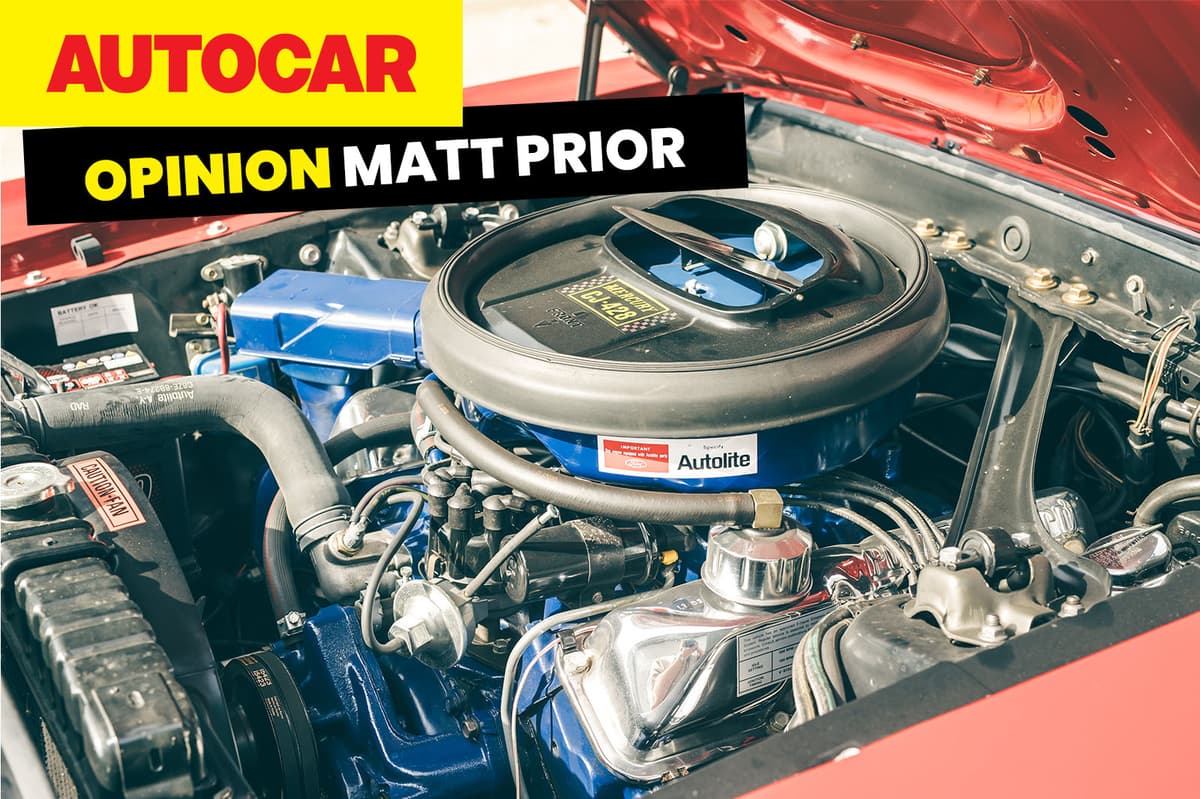
Why the Crossplane V8 Is the Ultimate Soul-Soothing Engine
Why It Matters
The engine’s emotional appeal drives demand for performance vehicles, influencing brand positioning and premium pricing in a market increasingly focused on electrification.
Key Takeaways
- •Crossplane V8s produce low-frequency rumble at low revs
- •Sound linked to heartbeat, creates emotional connection
- •Originates from 1904 Antoinette V8, Detroit lineage dominates
- •Broad torque band makes engine versatile across vehicle types
- •Emotional appeal drives demand for V8-powered performance cars
Pulse Analysis
The cross‑plane V8’s signature growl stems from its uneven firing intervals. Unlike a flat‑plane design where cylinders fire every 180 degrees, a cross‑plane crank staggers the explosions, causing two adjacent pistons on the same bank to fire in quick succession before the order jumps to the opposite bank. This pattern generates a low‑frequency rumble that resonates through the chassis and into the driver’s cabin. The acoustic wave aligns with human perception of rhythm, often likened to a heartbeat, which explains why the sound feels both powerful and comforting.
Beyond physics, the cross‑plane V8 has become a cultural icon. Its throaty note has defined NASCAR broadcasts, Hollywood chase scenes, and the branding of luxury performance models from Detroit to Europe. Automakers exploit this emotional cue in marketing, positioning the engine as a symbol of heritage and raw power. Enthusiasts associate the sound with authenticity, creating a loyal customer base that values auditory feedback as much as horsepower. This emotional attachment translates into higher resale values and premium pricing for V8‑equipped vehicles.
While electrification reshapes the automotive landscape, the cross‑plane V8 retains a niche that manufacturers are reluctant to abandon. Hybrid systems can augment torque while preserving the acoustic signature, offering a compromise between sustainability and sensory appeal. Brands that maintain a V8 lineup often leverage it to differentiate flagship models, especially in the high‑performance and luxury segments where buyers expect a visceral experience. As regulations tighten, the future of the cross‑plane V8 may hinge on innovative packaging and sound‑engineering, ensuring its rumble remains relevant in a quieter, electric‑dominant market.
Why the crossplane V8 is the ultimate soul-soothing engine
Comments
Want to join the conversation?
Loading comments...