Why the Spirit Airlines Shutdown Matters Even If You Never Flew With Them
Companies Mentioned
Why It Matters
Without Spirit’s low‑cost competition, airlines face less incentive to keep basic‑economy fares low, amplifying the impact of rising fuel costs on consumer travel budgets.
Key Takeaways
- •Budget airlines hold 14.5% of U.S. market, driving fare competition.
- •Spirit's exit removes a key price‑pressuring competitor for basic‑economy seats.
- •Jet‑fuel costs have doubled, squeezing airline margins and prompting fare hikes.
- •Remaining low‑cost carriers face capacity cuts and may raise prices without relief.
- •Travelers should lock in changeable fares and avoid add‑on fees to save.
Pulse Analysis
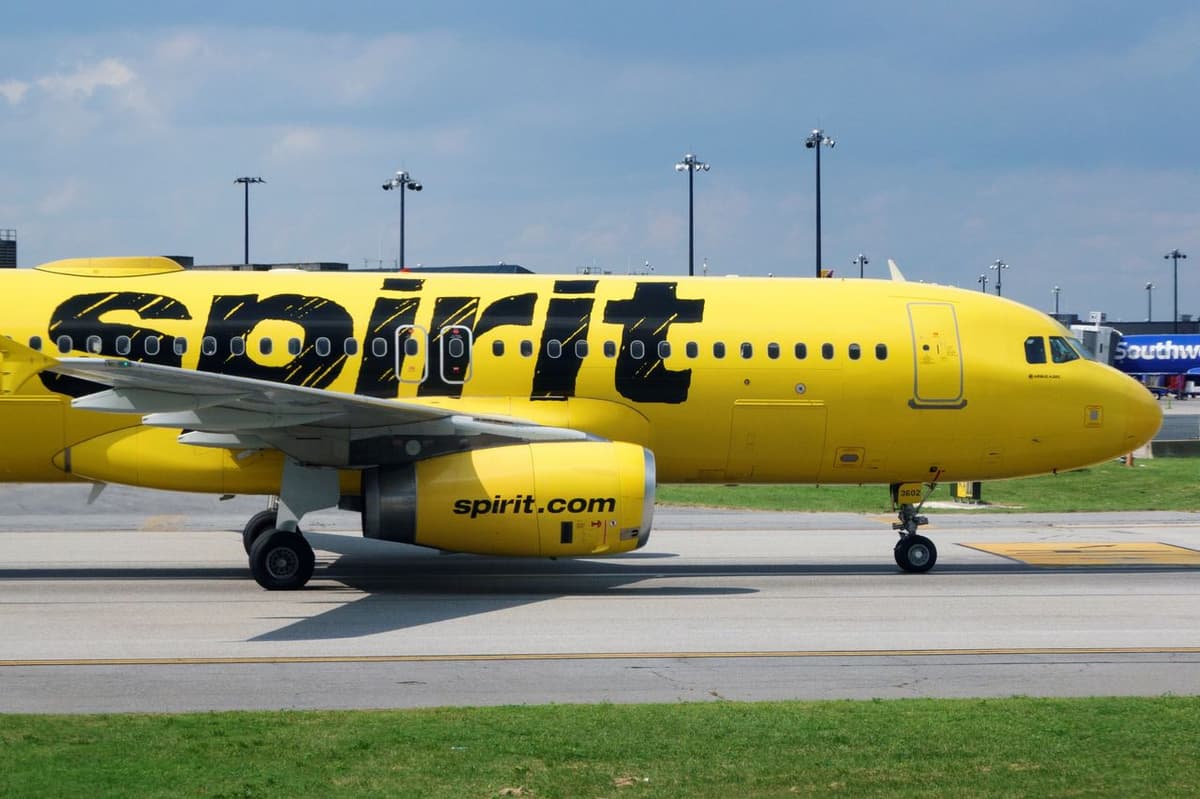
The demise of Spirit Airlines marks the loss of one of the United States’ most visible ultra‑low‑cost carriers. Before its closure, budget airlines captured roughly 14.5 % of domestic seats, a share that forced legacy carriers such as Delta, American and United to launch stripped‑down basic‑economy products. Those fares let price‑sensitive passengers cherry‑pick services while keeping base ticket prices low. With Spirit gone, the competitive anchor that kept those basic‑economy fares in check disappears, leaving a pricing vacuum that could lift even the cheapest tickets.
Compounding the pricing pressure is the sharp rise in jet‑fuel costs, which have jumped from about $100 to over $200 per barrel since the onset of the Iran‑related oil shock. Fuel now represents up to 30 % of an airline’s operating expenses, so a doubling of that line item erodes margins dramatically. Major carriers have already signaled responses: Delta plans a 3.5 % capacity reduction, United is considering fare increases of up to 20 %, and all three major airlines have lifted baggage fees. The absence of a strong low‑cost competitor reduces the downward price pressure that traditionally moderated such moves.
Travelers can blunt the impact by adjusting their booking strategy. Securing changeable, refundable fares now locks in today’s rates while preserving flexibility to switch if cheaper options emerge. Minimizing ancillary fees—especially checked‑bag charges—through smart packing or credit‑card perks can shave hundreds of dollars off a round‑trip. Finally, shifting travel dates to off‑peak periods or opting for secondary airports can further offset rising base fares. As Frontier and Allegiant grapple with higher fuel costs, the market is likely to see modest price hikes, making proactive planning essential for cost‑conscious flyers.
Why the Spirit Airlines Shutdown Matters Even If You Never Flew With Them
Comments
Want to join the conversation?
Loading comments...