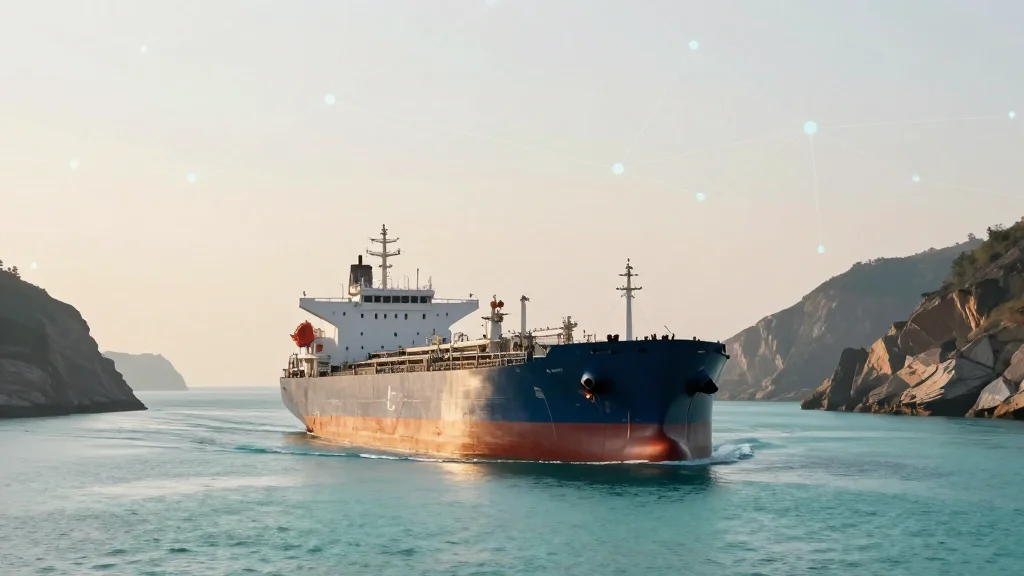
Why the Strait of Hormuz Crisis Is Exposing Hidden Weaknesses in Supply Chains
Why It Matters
The volatility turns a logistics hiccup into a board‑level financial risk, inflating working‑capital costs and eroding margins. Firms that can synchronize responses will preserve revenue and maintain customer commitments.
Key Takeaways
- •Visibility tools expose disruptions but cannot ensure coordinated response
- •Strait of Hormuz delays raise input costs for fertilizers, polymers, packaging
- •Fragmented supplier data forces procurement into reactive mode despite early alerts
- •CEOs view shipping corridor volatility as board‑level financial risk
- •Connected execution platforms like Loftware Connect align actions across supply‑chain partners
Pulse Analysis
The Strait of Hormuz, long recognized as a conduit for crude oil, also carries a substantial share of the world’s feedstock for chemicals, fertilizers and packaging resins. When geopolitical tension forces vessels to reroute or idle, the immediate effect is higher freight rates, but the secondary shock spreads to manufacturers that depend on timely deliveries of raw inputs. Those downstream sectors experience sudden cost spikes and inventory gaps, forcing them to renegotiate contracts or absorb higher expenses—an outcome that reverberates through consumer prices and corporate earnings.
Supply‑chain leaders have invested heavily in visibility technologies—track‑and‑trace dashboards, control towers, and AI‑driven alerts—so that disruptions are seen the moment they occur. Yet the Strait of Hormuz episode reveals a deeper flaw: organizations often lack a unified execution layer that translates shared data into coordinated action. Procurement may trigger a sourcing alternative while operations adjusts production schedules, but without a common decision engine these parallel moves can conflict, leading to duplicated effort, rework, and missed service commitments. The missing piece is a real‑time, network‑wide protocol that synchronizes response across all functions and external partners.
Recognizing this gap, executives are elevating supply‑chain resilience to a strategic, board‑level priority. The financial impact of delayed shipments—tied‑up working capital, margin compression from spot‑rate spikes, and weakened customer trust—demands a shift from reactive patchwork to proactive, collaborative orchestration. Platforms such as Loftware Connect exemplify this evolution by providing a shared execution framework where data, instructions and approvals flow seamlessly among suppliers, manufacturers and distributors. Companies that adopt such connected models can convert early visibility into decisive, aligned actions, preserving profitability and competitive advantage in an increasingly volatile global logistics landscape.
Why the Strait of Hormuz Crisis Is Exposing Hidden Weaknesses in Supply Chains
Comments
Want to join the conversation?
Loading comments...