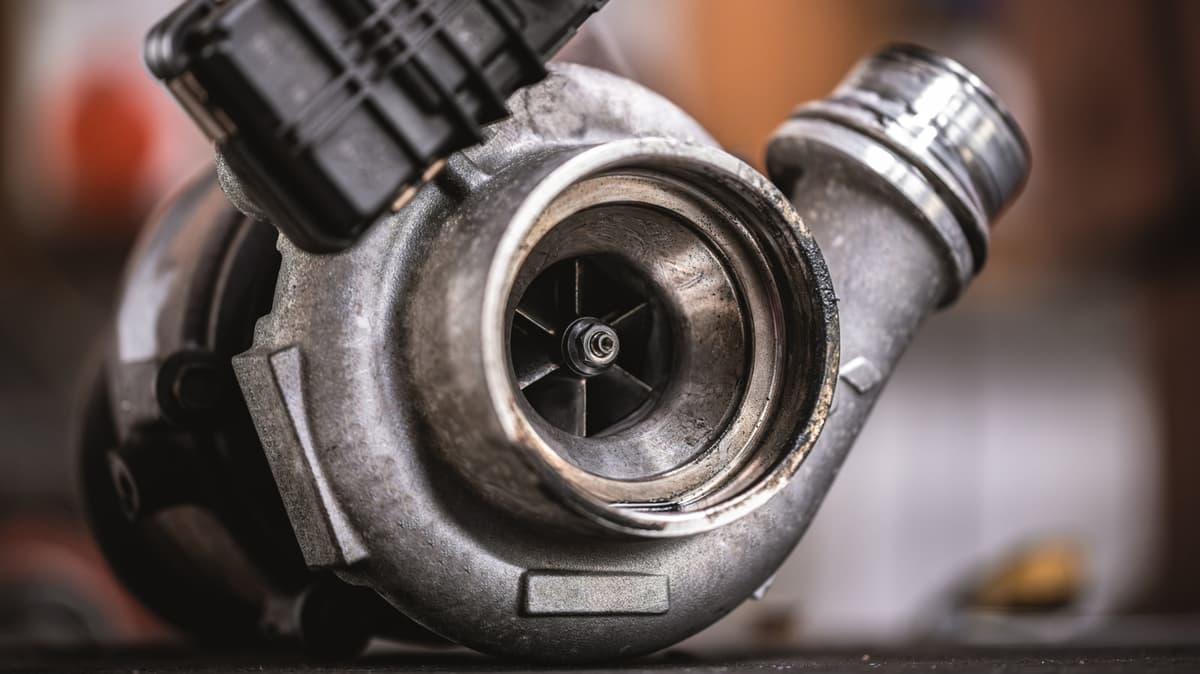
Why Turbos Fail Prematurely (And The Simple Fixes You Shouldn't Ignore)

Why It Matters
Turbo failures are expensive and can cripple vehicle performance, so preventing them protects owners’ investments and supports broader automotive reliability goals.
Key Takeaways
- •Oil starvation, contamination, and debris are top turbo failure causes
- •Use manufacturer‑specified oil grade and change oil on schedule
- •Keep air filters clean and fix boost leaks promptly
- •Warm up engine and idle 30 seconds before shutdown
Pulse Analysis
The perception that turbocharged powertrains are fragile persists despite decades of engineering progress. Modern turbos spin at up to 200,000 rpm, relying on a thin film of pristine oil to lubricate bearings, seals and the high‑speed shaft. When that oil is contaminated with carbon, metal shavings, fuel or coolant, friction rises and temperatures can exceed design limits, accelerating wear. Likewise, any interruption in oil flow—whether from a clogged pump, low oil level, or cold‑start viscosity—creates an instant risk of bearing seizure. Understanding these mechanical dependencies is the first step toward longevity.
Manufacturers address the oil‑dependency issue through precise specifications: a particular viscosity, additive package, and change interval tailored to the engine’s thermal envelope. Sticking to the recommended oil grade, swapping the filter at each service, and inspecting the turbo’s oil feed lines for leaks are low‑cost actions that yield high returns. Equally critical is the intake side; a compromised air filter or a boost leak forces the turbo to work harder, pulling more contaminated particles into the housing. Regularly cleaning the intercooler and verifying boost pressure keep the compressor operating within safe margins.
Driver habits close the reliability loop. A cold engine’s oil is thicker, delaying proper lubrication of the turbine; revving aggressively before oil pressure stabilizes can grind bearings. Conversely, shutting the engine off immediately after hard driving starves the turbo of cooling oil, allowing carbon to bake onto the shaft. A brief idle—about 30 seconds—lets oil circulate and dissipate heat, preserving the seal coating. By integrating these simple routines, owners not only avoid costly turbo replacements but also protect resale value and contribute to the broader shift toward durable, high‑efficiency forced‑induction vehicles.
Why Turbos Fail Prematurely (And The Simple Fixes You Shouldn't Ignore)
Comments
Want to join the conversation?
Loading comments...