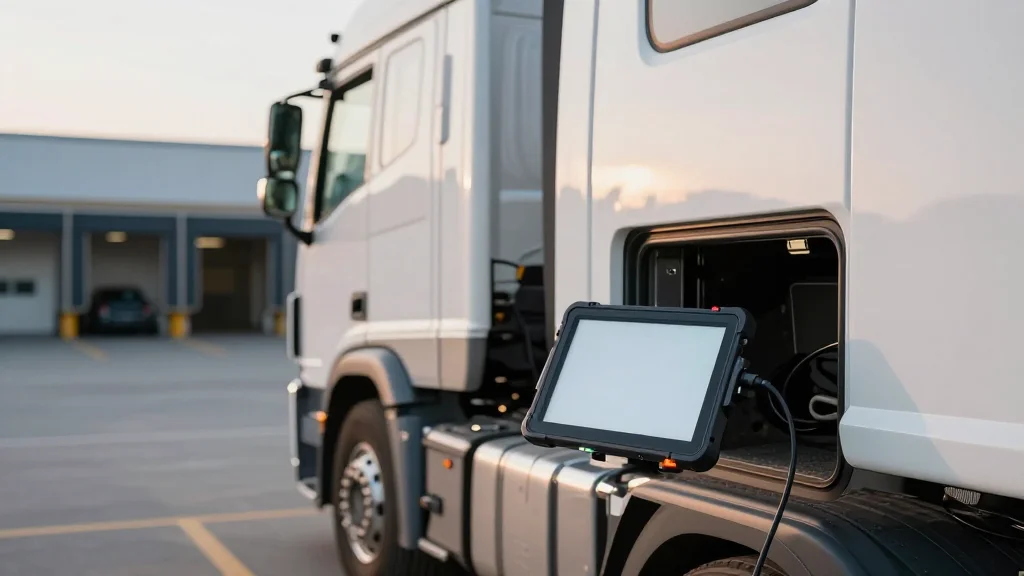
Why Upgrading Your Truck Fleet Is a Smart Investment
Why It Matters
Modernizing fleets directly improves bottom‑line profitability and reduces operational risk, positioning carriers to meet tighter emissions standards and heightened customer expectations.
Key Takeaways
- •Fuel economy improves 12‑15% with smart trucks
- •Maintenance costs drop ~15% via predictive sensors
- •Accident expenses fall 19% thanks to AI safety tech
- •Downtime reduced up to 71% with real‑time health monitoring
- •Leasing smart trucks eases capital outlay while keeping tech current
Pulse Analysis
The logistics sector faces mounting pressure from rising fuel prices, stricter emissions regulations, and a talent‑shortage among drivers. Smart trucks, equipped with aerodynamic designs, advanced powertrains, and AI‑assisted cruise control, address these challenges by delivering 12‑15% better fuel efficiency and cutting greenhouse‑gas output. Industry analysts project that telematics‑enabled fleets will account for over 40% of new truck sales by 2028, reflecting a broader shift toward data‑driven asset management. Companies that adopt these technologies early can lock in lower total cost of ownership while future‑proofing against upcoming EPA standards.
Financially, the ROI of a modernized fleet is compelling. Predictive maintenance sensors reduce unscheduled repairs by 15%, translating into fewer tow incidents and lower parts inventory. Safety upgrades—such as collision‑avoidance cameras and automated emergency braking—shrink accident costs by nearly one‑fifth, a critical factor for insurers and shippers alike. When combined with AI‑optimized routing, real‑time telematics can cut idle time and improve load factor, delivering up to 71% less downtime. For a typical 50‑truck operation, these efficiencies often offset the upfront capital or lease expense within two to three years.
Strategically, firms should treat fleet renewal as a phased investment rather than a wholesale replacement. Identifying the top 20% of vehicles that consume the most fuel or generate the most maintenance tickets provides a high‑impact entry point. Piloting a single smart truck allows performance benchmarking against legacy rigs, creating concrete data to persuade finance committees. Leasing offers flexibility, preserving cash flow while ensuring access to the latest tech cycles. Moreover, modern cabs and safety features boost driver satisfaction, reducing turnover costs that can exceed $10,000 per recruit. By aligning technology upgrades with financial modeling and talent strategy, companies can transform their trucks from cost centers into competitive advantages.
Why Upgrading Your Truck Fleet Is a Smart Investment
Comments
Want to join the conversation?
Loading comments...