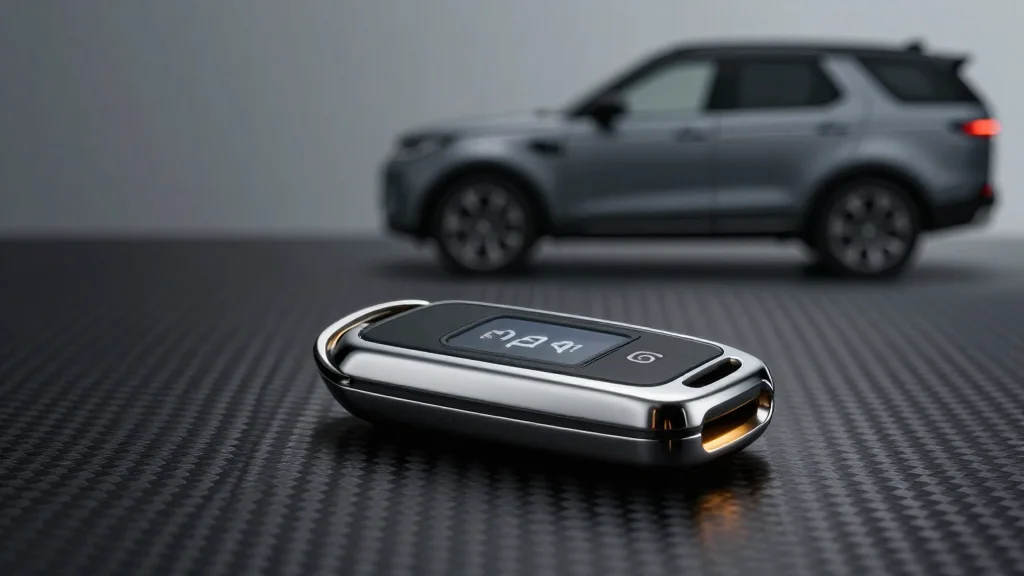
Why Your Car Key Can Cost $3,000 in 2026: The Hidden Technology Behind Modern Vehicle Security
Companies Mentioned
Why It Matters
The high cost underscores the growing monopoly of dealerships over vehicle security services and highlights a market opening for qualified independent technicians, while the shift to digital credentials will further transform ownership economics and cybersecurity demands.
Key Takeaways
- •Key fobs now contain encrypted transponders and CAN‑network credentials
- •Dealerships charge high fees due to proprietary programming tools
- •Independent locksmiths are training in EEPROM and ECU synchronization
- •Cybersecurity threats like relay attacks drive stronger encryption standards
- •Future access may shift to smartphones, biometrics, and cloud profiles
Pulse Analysis
The transition from metal keys to encrypted digital credentials has turned a simple mechanical component into a sophisticated security module. Modern fobs embed rolling codes, secure microcontrollers, and CAN‑bus authentication that must be paired with a vehicle’s VIN‑locked immobilizer. This complexity not only deters theft—evidenced by declining auto‑theft rates—but also forces manufacturers to restrict access to proprietary programming software. As a result, a lost key can cost upwards of $3,000, reflecting the labor, licensing fees, and specialized equipment required to re‑establish trust between the key and the car.
Dealerships benefit from this closed ecosystem, leveraging exclusive diagnostic tools to command premium prices. The Federal Trade Commission has highlighted these repair restrictions as anti‑competitive, prompting calls for greater right‑to‑repair legislation. Meanwhile, independent automotive locksmiths are closing the skill gap by mastering EEPROM flashing, ECU synchronization, and secure key‑generation protocols. Organizations such as the Associated Locksmiths of America now certify technicians in vehicle electronics, offering consumers faster turnaround and lower costs—often a fraction of the dealership quote—while still meeting OEM security standards.
The next wave of vehicle access will likely bypass physical fobs altogether. Apple’s Digital Car Key and Google’s Android Automotive platform already allow smartphones and wearables to act as encrypted credentials, communicating via NFC or Bluetooth. Emerging biometric and cloud‑based profiles promise personalized, keyless entry without the need for a replaceable device. For drivers, this shift could dramatically reduce replacement expenses, but it also raises new privacy and cybersecurity considerations that manufacturers, regulators, and service providers must address as the automotive ecosystem becomes ever more connected.
Why Your Car Key Can Cost $3,000 in 2026: The Hidden Technology Behind Modern Vehicle Security
Comments
Want to join the conversation?
Loading comments...