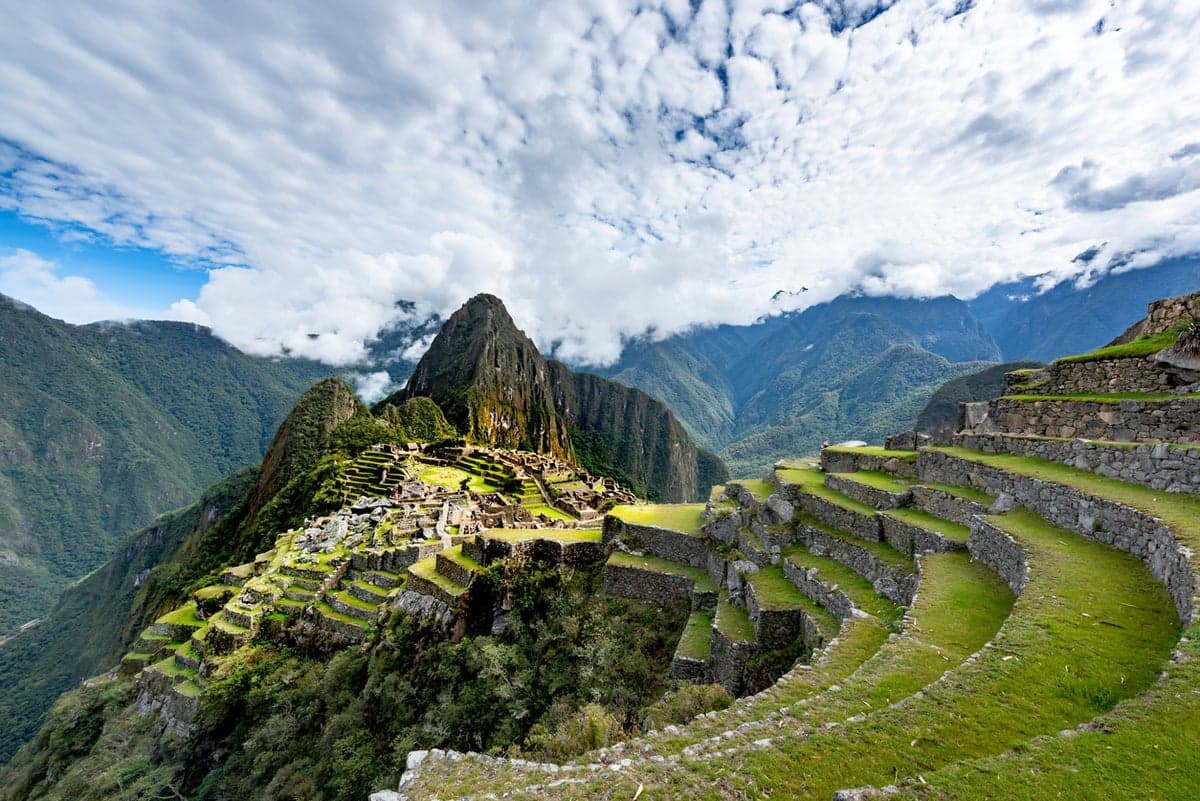
Will a Controversial New Airport Ruin Machu Picchu?
Why It Matters
The airport could dramatically reshape Peru’s tourism economy, delivering higher revenues while exposing heritage sites and local communities to heightened environmental and cultural risks.
Key Takeaways
- •Chinchero airport slated for 2027, $640 M investment.
- •Visitor forecasts could rise 200%, straining Machu Picchu capacity.
- •Local communities fear cultural erosion and infrastructure overload.
- •Faster access may shift tourism spend away from smaller towns.
- •Experts call for integrated sustainable tourism planning.
Pulse Analysis
The Sacred Valley’s tourism bottleneck has long been its fragmented transport network. Travelers endure a Lima‑to‑Cusco flight, a train to Ollantaytambo, and a winding bus ride before reaching Machu Picchu, a journey that limits the market to adventure‑oriented visitors. The Chinchero International Airport promises to cut travel time dramatically, positioning Peru alongside other South American hubs that cater to high‑spending, short‑stay tourists. By eliminating the Lima layover and offering direct connections, the airport could unlock a new segment of U.S. and European travelers who prioritize convenience over immersion.
However, the projected 200% surge in arrivals raises red flags for heritage preservation and community resilience. Machu Picchu already caps daily visitors at 5,600, and its fragile ecosystems struggle with waste management and water scarcity. Adjacent sites such as the Maras salt mines and Moray terraces face similar capacity constraints. Local artisans in Chinchero report a shift from authentic market sales to souvenir‑driven stalls, signaling cultural dilution. Infrastructure upgrades—sewage treatment, renewable energy, and road maintenance—must keep pace, or the region risks degrading the very assets that attract tourists.
Industry analysts suggest a holistic, sustainable‑tourism framework as the only viable path forward. This includes diversifying itineraries to promote lesser‑known destinations like Choquequirao and Kuelap, investing in community‑owned lodging, and enforcing visitor caps tied to environmental thresholds. Public‑private partnerships could fund green infrastructure while preserving traditional livelihoods. If Peru aligns airport development with these systemic safeguards, the Chinchero project could become a model for balancing growth with conservation, rather than a catalyst for over‑tourism.
Will a controversial new airport ruin Machu Picchu?
Comments
Want to join the conversation?
Loading comments...