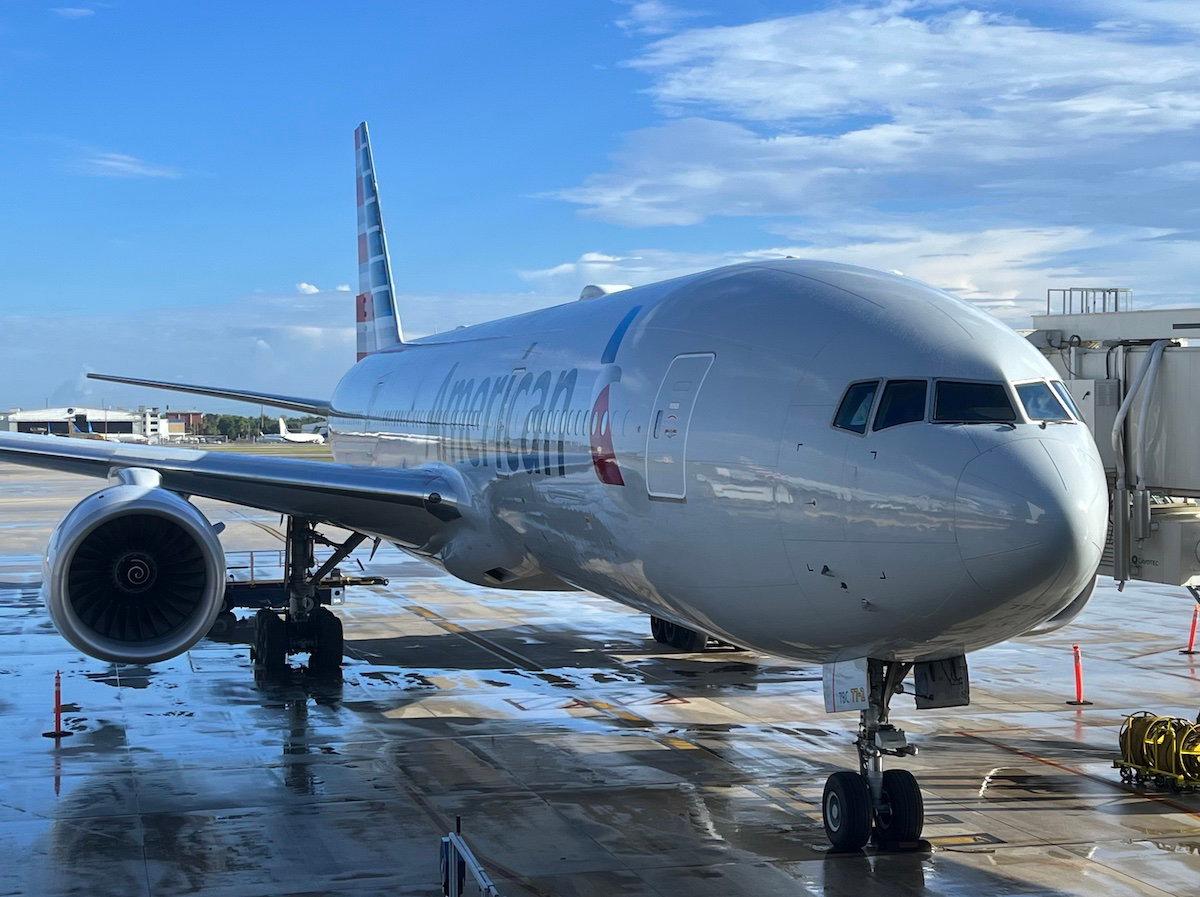
Will American Airlines Start Flying To Manila, Philippines? I’m Not Convinced…
Companies Mentioned

Why It Matters
A Manila route would reshape the trans‑Pacific competitive landscape and test American’s ability to profitably expand within the oneworld network, influencing alliance dynamics and market share.
Key Takeaways
- •Philippine Airlines joining oneworld in 2027 strengthens alliance ties
- •American cancelled Doha service, hinting at new long‑haul destinations
- •United and Delta already serve Manila, raising competitive pressure
- •Dallas‑FortWorth hub would require an 8,300‑mile flight, straining economics
- •American's cost disadvantage versus Philippine Airlines challenges profitability on the route
Pulse Analysis
The oneworld alliance is undergoing a subtle realignment as Philippine Airlines prepares to join in 2027, giving its partners deeper access to Southeast Asia’s largest market. For American Airlines, the move could open a logical feeder corridor through Manila, especially after the airline shed its Doha‑Doha‑to‑Doha route, signaling a willingness to reallocate capacity toward more promising long‑haul opportunities. Yet the strategic calculus extends beyond alliance ties; it must contend with the broader trans‑Pacific market where United and Delta have already cemented Manila footholds, leveraging newer aircraft and tighter cost structures.
American’s hub architecture further complicates the equation. Los Angeles, its sole West Coast gateway, has struggled to sustain a robust trans‑Pacific network, and Delta’s aggressive expansion at LAX threatens any incremental traffic American might capture. A Dallas‑Fort Worth‑Manila service would span roughly 8,300 miles, making it American’s longest route and exposing it to higher fuel burn, crew costs, and limited revenue premium. Compared with Philippine Airlines, which enjoys a cost advantage and strong brand loyalty in the Philippines, American would need to command significantly higher fares or ancillary revenue to break even.
If American were to pursue Manila, it would likely do so as part of a broader, alliance‑driven strategy rather than a standalone profit center. Integrating Manila into a network that feeds passengers from the U.S. to other Asian destinations via Tokyo or other oneworld hubs could generate the necessary load factor and yield. However, given the current financial pressures and competitive environment, the airline appears more inclined to focus on strengthening existing corridors and optimizing its joint venture with Japan Airlines, leaving Manila as a speculative, not imminent, prospect.
Will American Airlines Start Flying To Manila, Philippines? I’m Not Convinced…
Comments
Want to join the conversation?
Loading comments...