Will Coming Changes to HK$2 Transport Scheme Hurt Working Elderly Most?
Why It Matters
The policy tests the balance between fiscal prudence and retaining a vital, aging workforce, potentially influencing senior employment rates and social welfare budgeting in Hong Kong.
Key Takeaways
- •New scheme charges 20% after HK$10, ending HK$2 flat fare
- •2.67 million seniors face extra HK$1.20 per trip
- •Government expects HK$550 million annual savings
- •Working elderly 60‑65 may change jobs due to cost
- •Employers could add transport allowances to retain senior staff
Pulse Analysis
The Hong Kong government’s overhaul of the HK$2 transport concession reflects a broader trend of tightening social subsidies amid rising fiscal pressures. By shifting from a flat discount to a 20 percent fare surcharge for trips exceeding HK$10, officials anticipate recouping roughly HK$550 million (about $70 million) each year. While the per‑ride increase—approximately $0.15—appears trivial, it signals a move toward means‑testing benefits that could reshape public expectations of welfare support. For the 2.67 million seniors and disabled riders, the change translates into an extra HK$1.20 per journey, a modest rise but one that accumulates over frequent commutes.
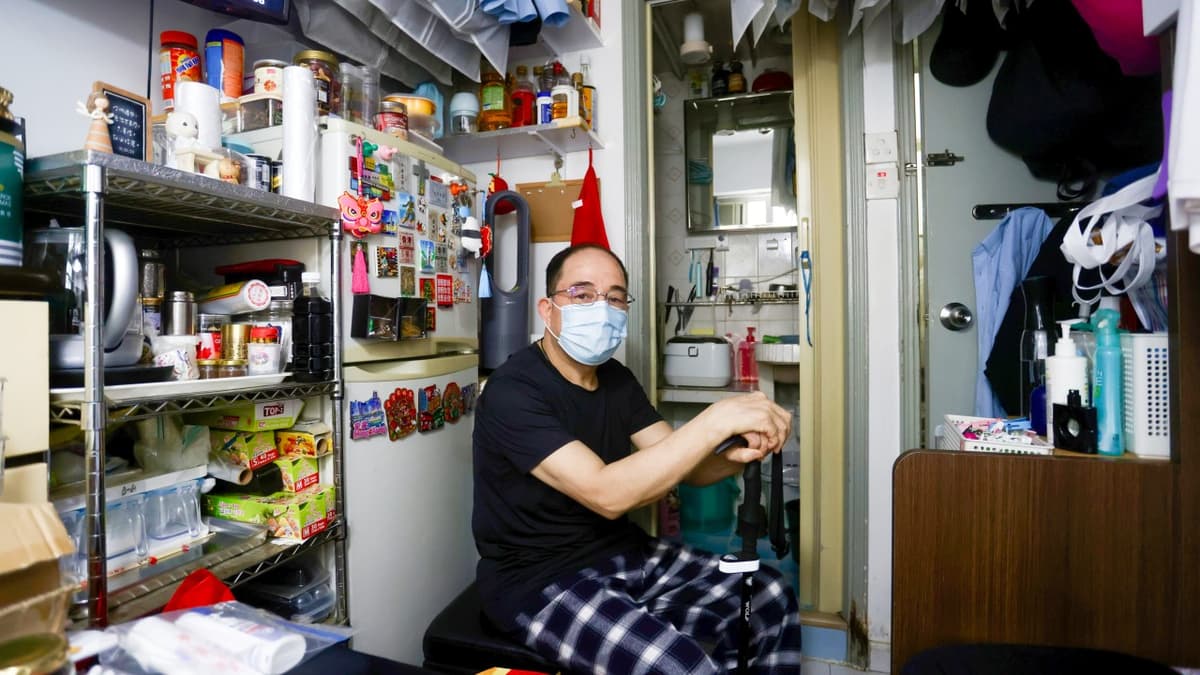
For working seniors, especially those in the 60‑65 age bracket, the financial impact may be more consequential. Many, like 66‑year‑old security guard John Hau, earn around HK$9,000 (≈$1,150) monthly and rely on the subsidy to keep commuting costs manageable. An added $0.15 per trip can quickly add up, potentially prompting some to seek employment closer to home or negotiate transport allowances with employers. Labor economists warn that even small cost increases could deter older workers from taking or retaining jobs that require long‑haul travel, subtly affecting Hong Kong’s labor supply in sectors that depend on senior labor.
The policy also raises questions about equity and the design of social safety nets. While the government frames the revision as a rationalisation of public funds—discouraging long‑haul, short‑distance trips that waste subsidies—critics argue it paints all seniors with the same brush, ignoring the varied financial realities of retirees versus those still in the workforce. Future adjustments, such as the upcoming cap on subsidised trips, will further test the balance between cost containment and social inclusion. Stakeholders, including employers and the Labour Department, may need to develop complementary measures, like targeted transport allowances, to ensure that cost‑saving reforms do not inadvertently push vulnerable seniors out of the labor market.
Will coming changes to HK$2 transport scheme hurt working elderly most?
Comments
Want to join the conversation?
Loading comments...