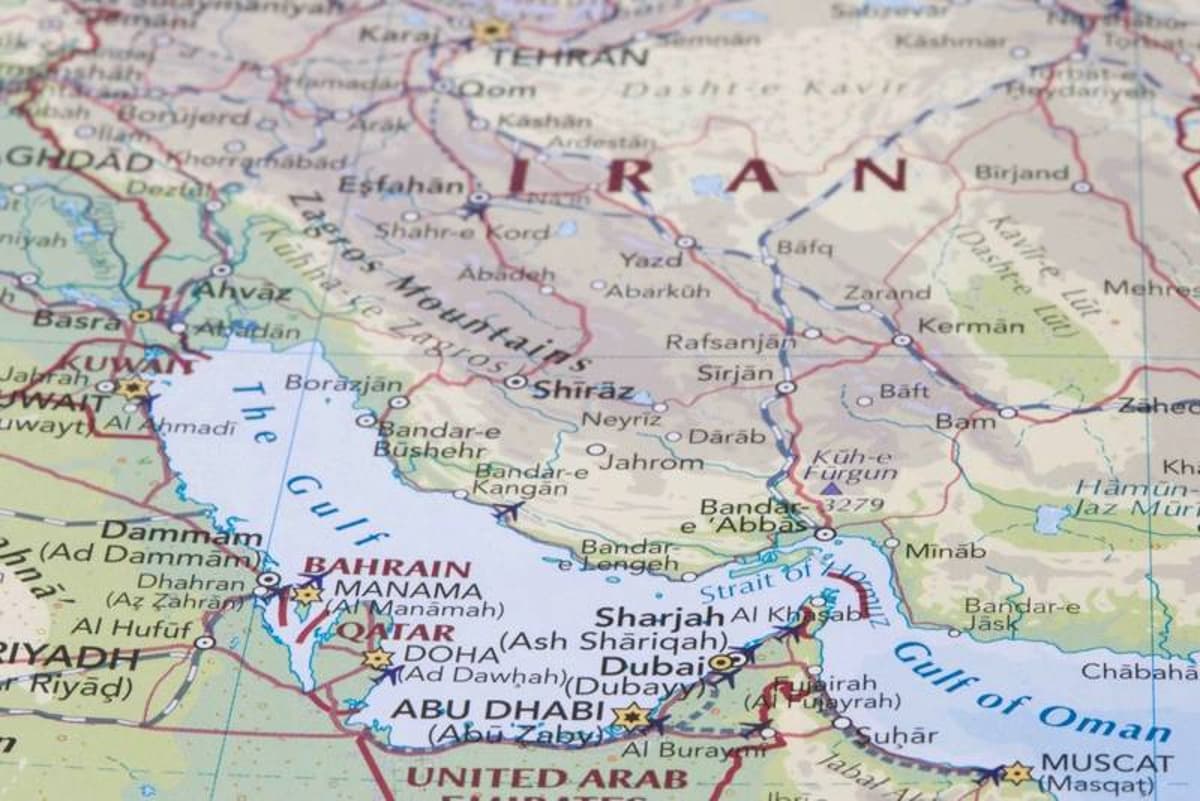
Windward Daily Brief March 5: Conflict Reaches Indian Ocean as Hormuz Remains Shut
•March 5, 2026
0
Why It Matters
These disruptions reshape key shipping lanes, elevate freight costs, and heighten supply‑chain risk for oil and container markets worldwide.
Key Takeaways
- •Hormuz closures limit only five vessel transits
- •Bab el‑Mandeb crossings rise above recent averages
- •Suez Canal traffic falls below trend levels
- •Cape of Good Hope diversions stay elevated
- •Crude tanker explosion triggers oil spill near Kuwait
Pulse Analysis
The closure of the Strait of Hormuz, a chokepoint handling roughly 20% of global oil shipments, has forced carriers to rely increasingly on the Bab el‑Mandeb and the Cape of Good Hope. The recent spike to 23 crossings at Bab el‑Mandeb, coupled with a dip in Suez Canal traffic, signals a strategic shift that raises transit times and fuel consumption. Shipping firms are recalibrating route planning to balance speed against the heightened risk of piracy and geopolitical tension along alternative passages.
Oil markets are feeling the ripple effects of the maritime upheaval. The crude tanker explosion near Kuwait not only generated an immediate environmental spill but also underscored the vulnerability of supply lines in the Gulf. With Hormuz effectively sealed, crude exporters are compelled to reroute shipments, compressing available tanker capacity and tightening the global oil balance. Analysts anticipate that these constraints could sustain price volatility, especially if further incidents occur along the newly congested routes.
Beyond physical disruptions, the Gulf’s electronic warfare campaign is eroding maritime situational awareness. The detection of 44 jammed signal zones and 92 AIS denial areas hampers vessel tracking, complicating navigation and port operations at major UAE hubs like Jebel Ali and Khalifa. Stakeholders are investing in alternative monitoring technologies and cyber‑resilience measures to mitigate the risk of blind spots. As the conflict persists, robust maritime risk management will become essential for maintaining the flow of goods through these critical arteries.
Windward Daily Brief March 5: Conflict Reaches Indian Ocean as Hormuz Remains Shut
0
Comments
Want to join the conversation?
Loading comments...