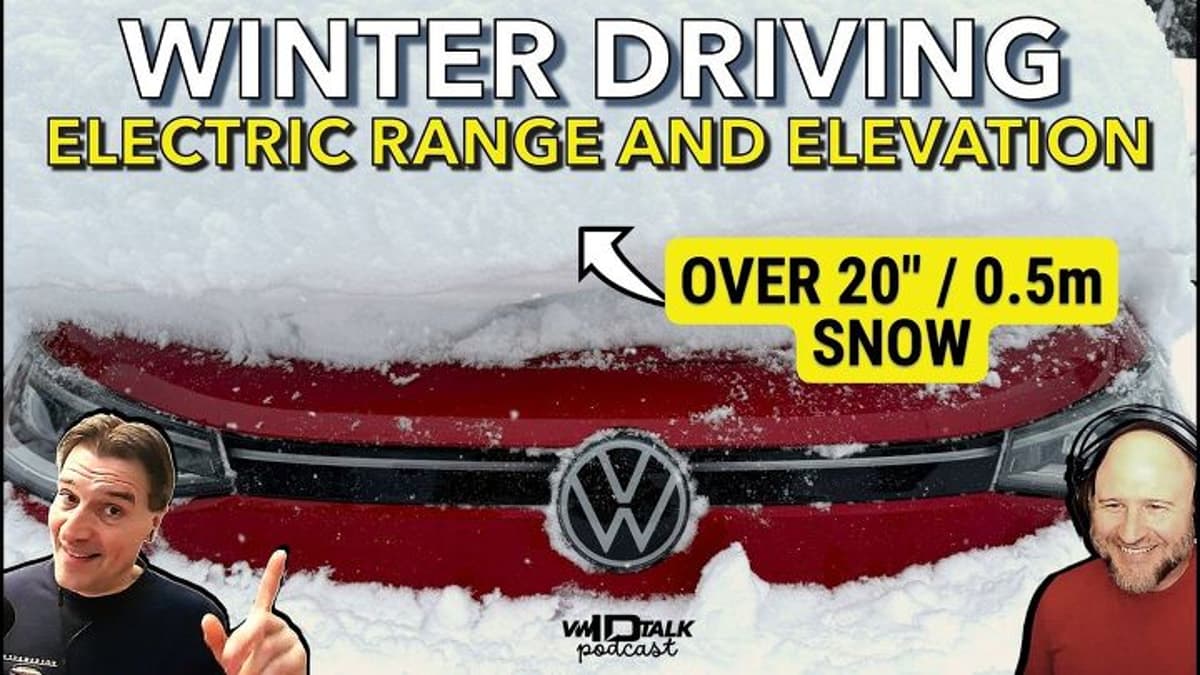
Winter EV Driving: Range and Elevation Lessons From A 20"+ Snow Storm
Key Takeaways
- •4,000‑ft climb cut range from 199 to 75 miles.
- •Battery consumption dropped to 2 mi/kWh, 15% worse than estimate.
- •Near‑freezing temps force 50% power limit and reduced regen.
- •Regenerative braking recovered most uphill energy but not cabin heating.
- •Snow‑covered radar disables driver‑assist; carry sand, jump‑starter, AGM battery.
Pulse Analysis
Cold weather and high altitude are a perfect storm for electric‑vehicle batteries. As temperatures dip below freezing, electrolyte viscosity rises and internal resistance spikes, forcing the battery management system to curb maximum power output—often to half of its rated capacity. The extra energy required to keep the pack at a safe operating temperature can consume 1.3–2 kW continuously, eroding the usable range even before the vehicle moves. Elevation compounds the issue; thinner air reduces aerodynamic drag but also lowers the efficiency of the cooling system, while climbing steep grades demands significantly more kilowatt‑hours per mile.
The ski‑trip data shared on the VWIDTalk podcast quantifies these effects. A vehicle that would normally achieve roughly 3 mi/kWh on flat ground slumped to 2 mi/kWh on a 4,000‑foot ascent, shaving nearly 15% off the predicted range. Regenerative braking on the downhill leg reclaimed a large portion of the energy expended uphill, yet the net loss persisted because the battery and cabin heating continued to draw power. Drivers are advised to avoid a full 100% charge before a descent, preserving buffer capacity for regenerated energy and preventing reliance on mechanical brakes, which waste momentum.
Practical winter preparation goes beyond battery management. Snow‑covered front radars can deactivate advanced driver‑assist features, so keeping sensors clear is essential. Carrying sand, a 12 V jump starter, and upgrading to an AGM 12 V battery can avert immobilization in sub‑zero conditions. For manufacturers, the episode underscores the need for more robust thermal‑control architectures and sensor‑shielding designs to maintain performance and safety in harsh climates, a critical consideration as EV adoption expands into colder, mountainous markets.
Winter EV Driving: Range and Elevation Lessons From A 20"+ Snow Storm
Comments
Want to join the conversation?