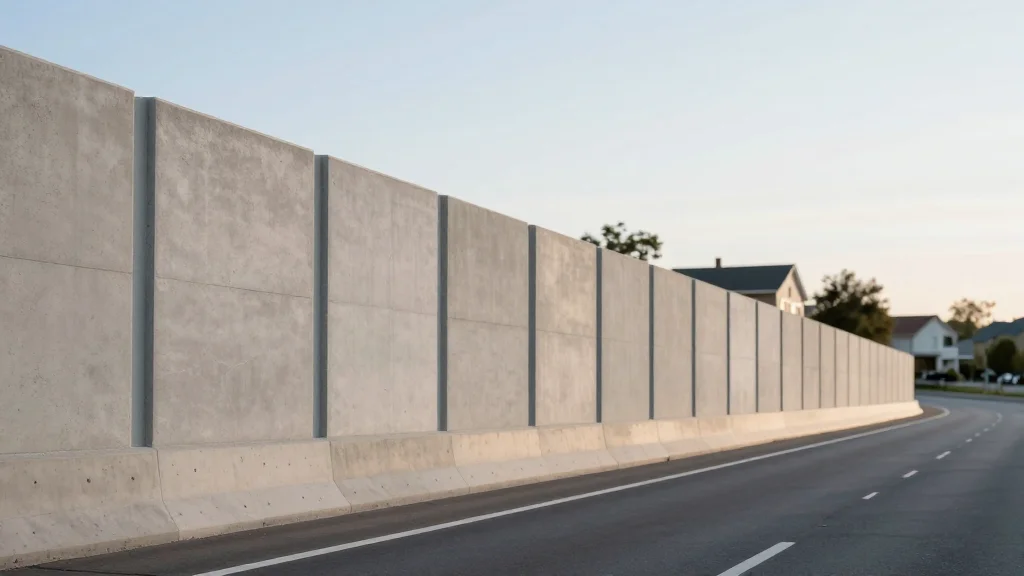
WisDOT Proposes Four Noise Barriers on I‑894 to Cut Traffic Sound

Why It Matters
Noise pollution from highways is a persistent public‑health issue, especially in densely populated suburbs where homes sit close to high‑speed corridors. By targeting an eight‑decibel reduction, WisDOT aims to bring measurable improvements to sleep quality, cardiovascular health, and overall well‑being for thousands of residents. The project also serves as a test case for how state agencies can blend data‑driven site selection with direct voter input, potentially shaping future infrastructure investments across the Midwest. Beyond health, the barriers could affect property values. Studies have shown that homes shielded from highway noise often command higher resale prices, which could boost the tax base for Greenfield and surrounding municipalities. The initiative therefore sits at the intersection of environmental justice, fiscal policy, and transportation planning.
Key Takeaways
- •WisDOT proposes four noise‑barrier segments on I‑894 in Greenfield.
- •Each segment must achieve at least an 8‑decibel reduction in traffic noise.
- •Construction is slated for 2027, but funding may limit the number of built segments.
- •Residents will vote on each segment; only majority‑approved sections move forward.
- •A public involvement meeting is scheduled for late summer 2026.
Pulse Analysis
WisDOT’s noise‑barrier proposal reflects a broader shift in transportation agencies toward community‑centric design. Historically, highway expansions prioritized vehicle throughput over resident impact, leading to decades of complaints about noise and air quality. By embedding a voting mechanism, WisDOT acknowledges that infrastructure projects now compete for public goodwill as much as for engineering feasibility. This participatory model could become a template for other states grappling with aging freeway corridors that run through residential zones.
Financially, the project underscores the tension between ambitious mitigation goals and constrained state budgets. Wisconsin’s transportation fund has been stretched thin by bridge repairs and snow‑removal obligations, leaving limited room for ancillary projects like noise barriers. The agency’s decision to prioritize segments based on cost‑effectiveness suggests a data‑driven approach that may favor densely populated stretches over more sparsely populated ones, potentially raising equity concerns if lower‑income neighborhoods receive fewer improvements.
Looking ahead, the success of the I‑894 initiative will hinge on two variables: community engagement and funding allocation. Strong voter turnout and clear support could pressure legislators to earmark additional dollars, while a lukewarm response might stall the project entirely. Either outcome will inform how other Midwestern DOTs balance the competing demands of mobility, environmental stewardship, and resident quality of life in the coming decade.
WisDOT Proposes Four Noise Barriers on I‑894 to Cut Traffic Sound
Comments
Want to join the conversation?
Loading comments...