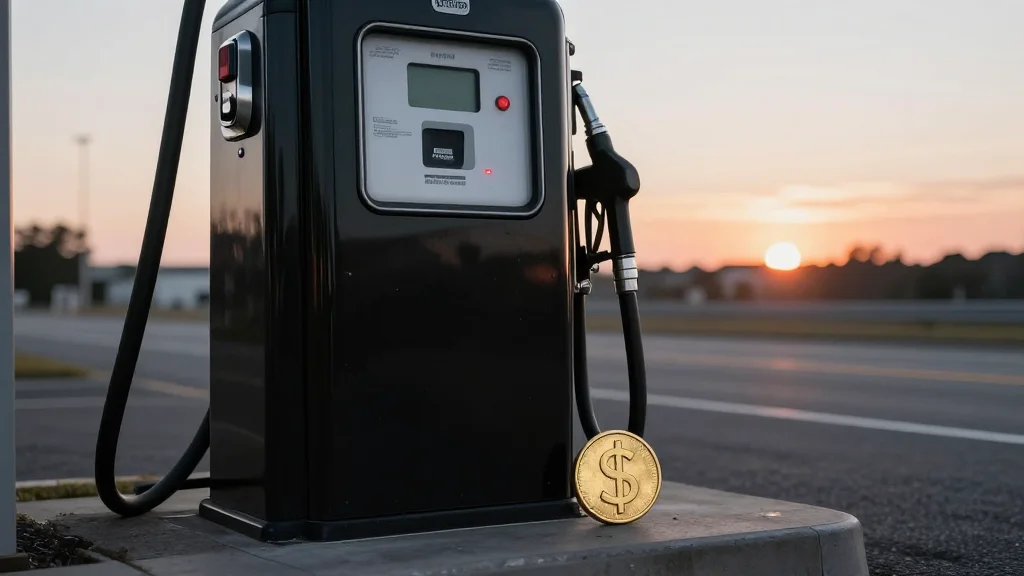
With Gas Prices Above $4, Drivers Across the Country Grapple with Higher Costs: “I Have to Spend It—There’s No Other Way”
Why It Matters
Higher fuel costs erode disposable income and compress profit margins, reshaping consumer behavior and increasing pressure on logistics and inflationary trends.
Key Takeaways
- •National average gas price reached $4.14 per gallon.
- •59% of Americans would alter driving at $4 price point.
- •Prices vary from $3.89 to nearly $7 across regions.
- •Workers report cutting trips and consolidating errands.
- •Higher fuel costs pressure household budgets and business margins.
Pulse Analysis
Geopolitical developments, notably the ongoing conflict with Iran, have tightened global oil supplies, pushing U.S. gasoline prices above $4 per gallon for the first time this year. The American Automobile Association reports a national average of $4.14, while regional disparities are stark—prices linger near $3.89 in the Midwest and East Coast but soar to almost $7 in Los Angeles. This volatility reflects refinery constraints, export limits, and fluctuating crude costs, underscoring the fragility of the fuel market amid external shocks.
Consumer response hinges on a well‑known price threshold: once gasoline hits $4, a majority of drivers begin to adjust behavior. AAA’s survey shows 59% would change driving habits at this level, rising to 75% at $5. Across the country, commuters are consolidating trips, reducing discretionary travel, and shifting spending toward home‑cooked meals. Such micro‑adjustments ripple through related sectors, dampening demand for leisure travel, dining out, and even retail foot traffic, while amplifying price sensitivity in everyday budgeting.
The broader economic fallout extends beyond individual wallets. Higher fuel costs inflate transportation and freight expenses, squeezing profit margins for contractors, delivery services, and logistics firms. Households face tighter budgets, potentially curbing consumer spending and feeding inflationary pressures. Policymakers may feel compelled to revisit fuel tax structures or accelerate alternative‑energy incentives to mitigate the impact. As the market watches for price stabilization, both consumers and businesses are bracing for a prolonged period of heightened fuel sensitivity.
With gas prices above $4, drivers across the country grapple with higher costs: “I have to spend it—there’s no other way”
Comments
Want to join the conversation?
Loading comments...