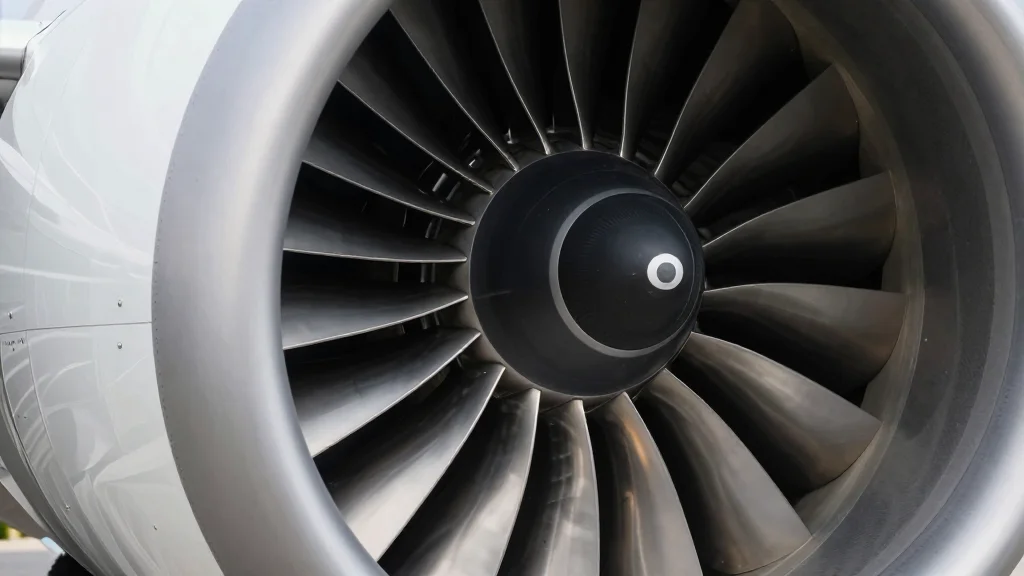
With UltraFan Design, Rolls-Royce Is Betting Turbofan Has Further to Go
Companies Mentioned
Why It Matters
The UltraFan shows that conventional turbofan architecture can still deliver major efficiency leaps, shaping engine‑airframe choices that will influence the competitive dynamics between Boeing and Airbus for future narrow‑body aircraft.
Key Takeaways
- •EU grants $74 M to fund Rolls‑Royce UltraFan 30 demonstrator.
- •UltraFan aims 20‑25% fuel‑efficiency gain versus first‑gen Trent.
- •Design schedule: preliminary design 2024, components 2027, testing 2028.
- •Rolls focuses on nacelle integration to boost overall engine performance.
- •Choice between turbofan and open‑fan could dictate future narrow‑body market.
Pulse Analysis
The jet‑engine industry faces a perceived efficiency ceiling as traditional turbofan sizes approach aerodynamic limits. While open‑fan concepts promise step‑change gains by shedding the engine’s outer casing, Rolls‑Royce argues that incremental advances—higher bypass ratios, lighter composite blades, and refined low‑pressure systems—can still deliver substantial fuel savings. This perspective keeps the ducted turbofan in contention, especially for airlines seeking proven reliability alongside greener operations.
Rolls‑Royce’s UltraFan 30 embodies that incremental philosophy. Leveraging a small core derived from the Pearl 10X and a 90‑inch composite fan, the program targets a 20‑25% reduction in specific fuel consumption versus the first‑generation Trent. EU funding of $74 million accelerates the demonstrator’s ground‑test phase, with a roadmap that moves from preliminary design this year to full component delivery by 2027 and a 2028 test campaign. Beyond the core, the company is re‑examining nacelle geometry, clearance tolerances, and engine‑airframe integration to squeeze additional efficiency from the low‑pressure system.
The stakes extend beyond engineering. Airbus and Boeing will base next‑generation narrow‑body decisions on whether a turbofan or an open‑fan can meet their 20% efficiency targets. If Airbus adopts an open‑fan, it could force a redesign that marginalises conventional engine suppliers, while a turbofan win would cement Rolls‑Royce and Pratt & Whitney’s market share. Consequently, the UltraFan’s success could dictate the engine supply chain for the 2030s, influencing airline operating costs, aircraft purchase strategies, and the broader push toward carbon‑neutral aviation.
With UltraFan design, Rolls-Royce is betting turbofan has further to go
Comments
Want to join the conversation?
Loading comments...