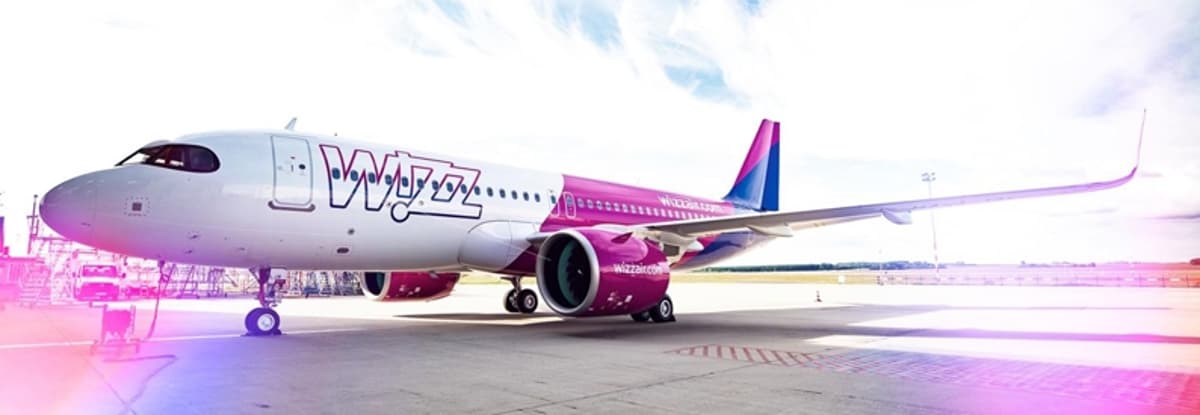
Wizz Air Israel Hub Still on Despite Delays
Why It Matters
Securing the hub could reshape Israel’s domestic and regional air market, intensifying price competition and expanding connectivity for travelers. It also tests how regulators balance safety advisories with economic incentives in a geopolitically sensitive region.
Key Takeaways
- •Israel may waive emergency‑service clause for Wizz Air hub approval
- •Transport minister urged Wizz Air to restart Tel Aviv flights immediately
- •EASA advisory on Israel flights remains in effect until at least May 1
- •Hub grants Wizz Air early‑late slots usually held by Israeli airlines
- •Local airlines oppose hub, citing crew nationality and emergency‑service requirements
Pulse Analysis
Wizz Air’s bid to establish a hub at Tel Aviv’s Ben Gurion Airport highlights the delicate interplay between regulatory safety concerns and commercial expansion. The European Union Aviation Safety Agency’s advisory, extended through May 1, reflects lingering security worries over regional airspace. Yet Israel’s transport ministry is signaling flexibility, prioritizing the airline’s promise of new routes, competitive fares, and increased slot availability. This regulatory nuance underscores how governments may temper safety stipulations when economic benefits appear compelling.
For Israeli carriers, a Wizz Air hub threatens to erode market share by unlocking early‑morning and late‑night slots that have historically been the domain of domestic airlines. The low‑cost model promises lower ticket prices and a broader network, potentially stimulating demand on routes that were previously underserved. Moreover, the planned domestic link between Tel Aviv and Eilat could introduce a new competitive dynamic, forcing incumbents to reassess pricing, service frequency, and ancillary revenue strategies.
The broader aviation industry watches this development as a case study in low‑cost carriers entering volatile markets. If Wizz Air succeeds despite the EASA advisory, it may embolden other budget airlines to pursue similar opportunities in regions with heightened geopolitical risk. Conversely, any operational setbacks could reinforce the cautionary stance of safety regulators. The outcome will inform how airlines balance growth ambitions with compliance, and how policymakers calibrate incentives against security imperatives.
Wizz Air Israel hub still on despite delays
Comments
Want to join the conversation?
Loading comments...