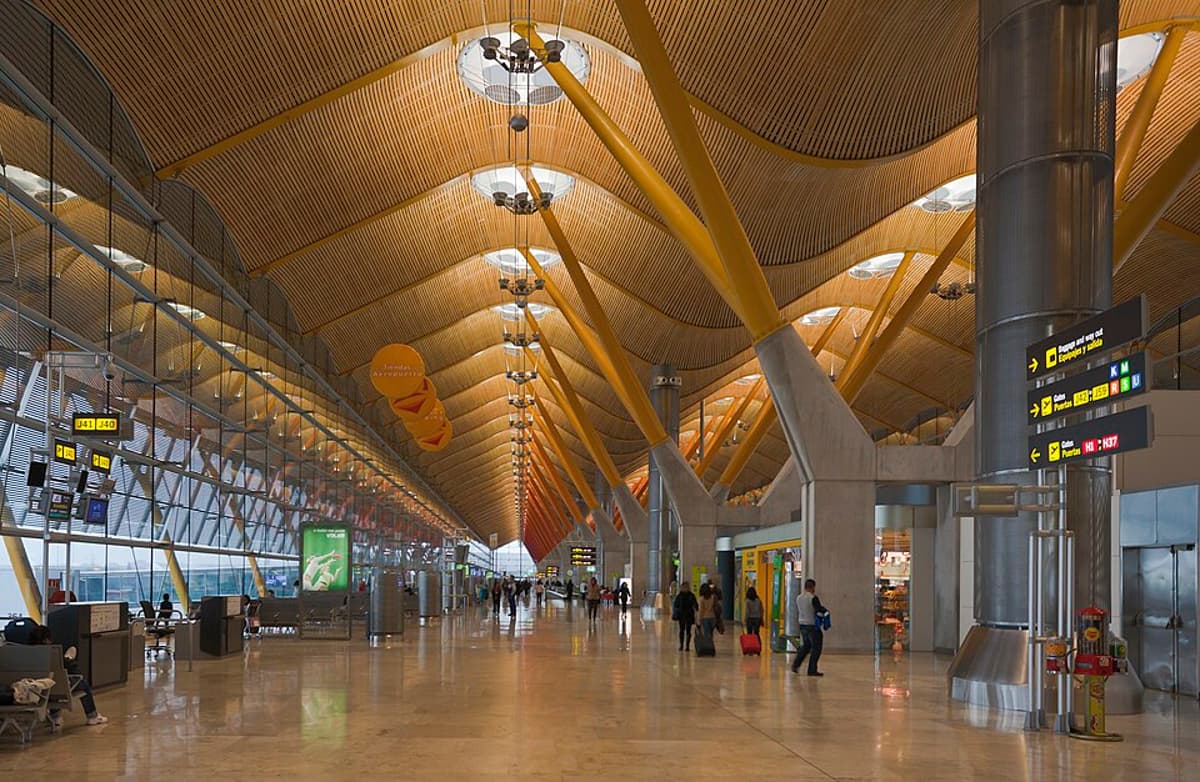
Work to Continue on Madrid-Barajas Airport Terminal Expansions
•March 11, 2026
0
Why It Matters
The funding will boost capacity and connectivity, reinforcing Madrid’s hub status and driving high‑value route growth, while incentives aim to capture expanding Asian traffic.
Key Takeaways
- •€4.48 bn investment for 2027‑2031 airport development.
- •Major expansion of terminals T4 and T4S begins 2027.
- •New high‑speed rail and metro links to enhance intermodality.
- •Fare incentives aim to double Asia route growth by 2027.
- •Cuatro Vientos receives upgrades for sustainability and communications.
Pulse Analysis
Madrid‑Barajas is Spain’s flagship gateway, handling over 60 million passengers annually. Aena’s €4.48 billion DORA plan reflects a broader European trend where legacy hubs are expanding to meet post‑pandemic demand and to compete with emerging airports in the Middle East and North Africa. By allocating capital across terminal upgrades, a new processing building, and extensive apron work, Aena aims to increase runway throughput and improve turnaround times, positioning the airport for the next wave of long‑haul traffic.
Intermodal connectivity sits at the core of the expansion strategy. Integrating high‑speed rail and metro lines directly into the terminal complex will shorten city‑center access, reduce road congestion, and appeal to business travelers seeking seamless transfers. Complementary upgrades to road networks, parking structures, and passenger platforms are designed to lift overall capacity by an estimated 15 percent, while modernizing the passenger experience through digital wayfinding and enhanced security zones. These infrastructure moves align with EU sustainability goals by encouraging rail over car travel.
Beyond physical upgrades, Aena’s fare‑refund incentive targets airlines willing to open new routes, with a particular focus on Asia—a market projected to grow faster than European demand. By offering a 100 % fare rebate tied to passenger growth, the scheme reduces financial risk for carriers and could double Asian‑origin traffic by 2027. Simultaneously, cargo incentives and sustainability upgrades at the nearby Cuatro Vientos airport broaden Aena’s service portfolio, supporting regional logistics and green aviation initiatives. Collectively, these measures aim to secure Madrid’s competitive edge in the European aviation landscape.
Work to Continue on Madrid-Barajas Airport Terminal Expansions
0
Comments
Want to join the conversation?
Loading comments...