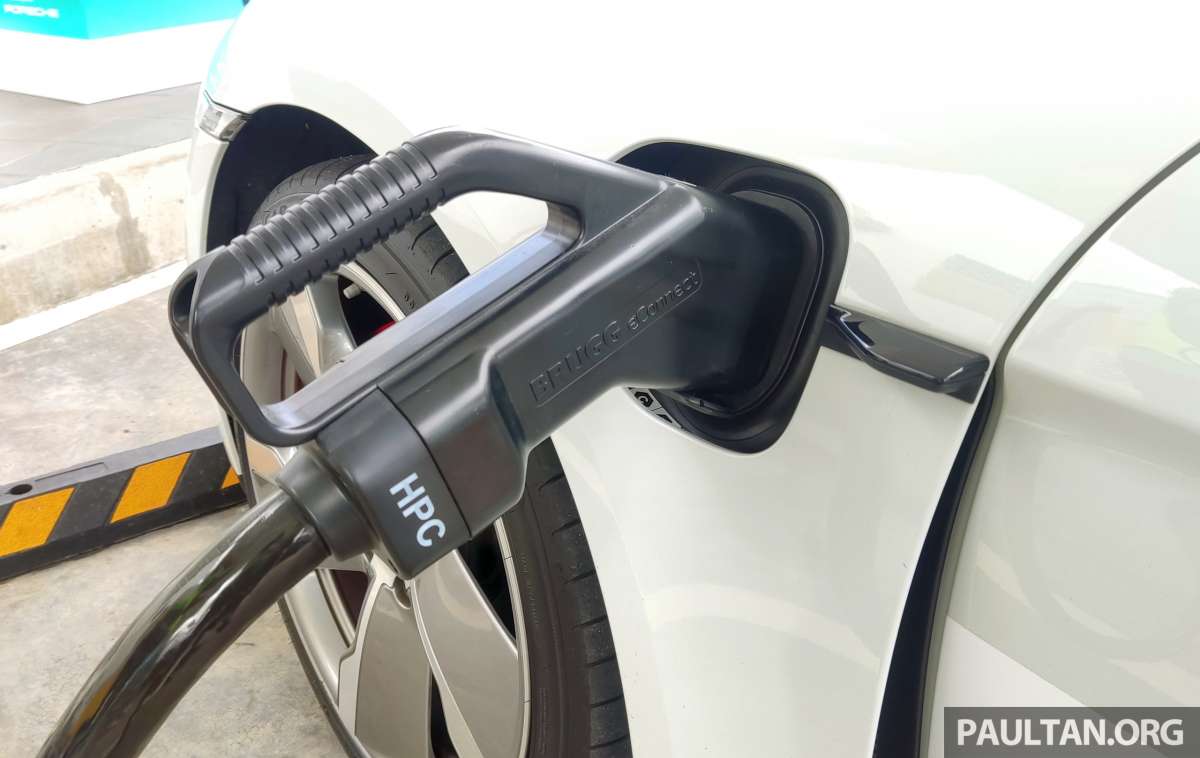
Works Ministry Launches an EV Charging System Installation Guidelines Book as Reference for Installers
Companies Mentioned
Why It Matters
Standardised guidelines remove technical uncertainty, accelerating the rollout of EV charging infrastructure and supporting Malaysia’s national electrification targets. Faster deployment will boost consumer confidence and stimulate the EV market.
Key Takeaways
- •Guidelines target contractors, designers, agencies, and station operators
- •Aim to expand chargers on federal, state, municipal roads
- •Addresses safety and location standards previously missing
- •Aligns with Energy Commission and JPBD EV charging rules
- •Supports Malaysia’s goal to increase EV adoption
Pulse Analysis
Malaysia’s electric‑vehicle market has been hamstrung by a fragmented regulatory environment, leaving installers unsure of best practices for charger placement and safety. The Works Ministry’s new Design and Installation Guidelines fill that gap, offering a single reference that consolidates technical specifications, site‑selection criteria, and compliance requirements. By codifying these standards, the government hopes to streamline approvals and reduce project timelines, a crucial step as the nation aims to meet its 2030 EV penetration targets.
The guidelines are not created in isolation; they dovetail with existing documents from the Energy Commission and the Federal Department of Town and Country Planning. This alignment ensures that electrical safety, grid integration, and urban planning considerations are addressed holistically. For contractors and designers, the manual provides clear checkpoints—from load calculations to civil works—minimising costly re‑work. Petrol‑station operators and private investors also gain confidence that new charging bays will meet both national and local standards, encouraging private‑sector participation in the emerging infrastructure ecosystem.
For the broader market, the rollout of standardized charging stations is expected to alleviate range anxiety, a primary deterrent for potential EV buyers. As reliable charging becomes commonplace along highways and municipal roads, fleet operators and consumers alike will find EVs more practical. This regulatory push signals to automakers that Malaysia is serious about electrification, potentially attracting more model launches and investment in local supply chains, thereby accelerating the country’s transition to a low‑carbon transport future.
Works ministry launches an EV charging system installation guidelines book as reference for installers
Comments
Want to join the conversation?
Loading comments...