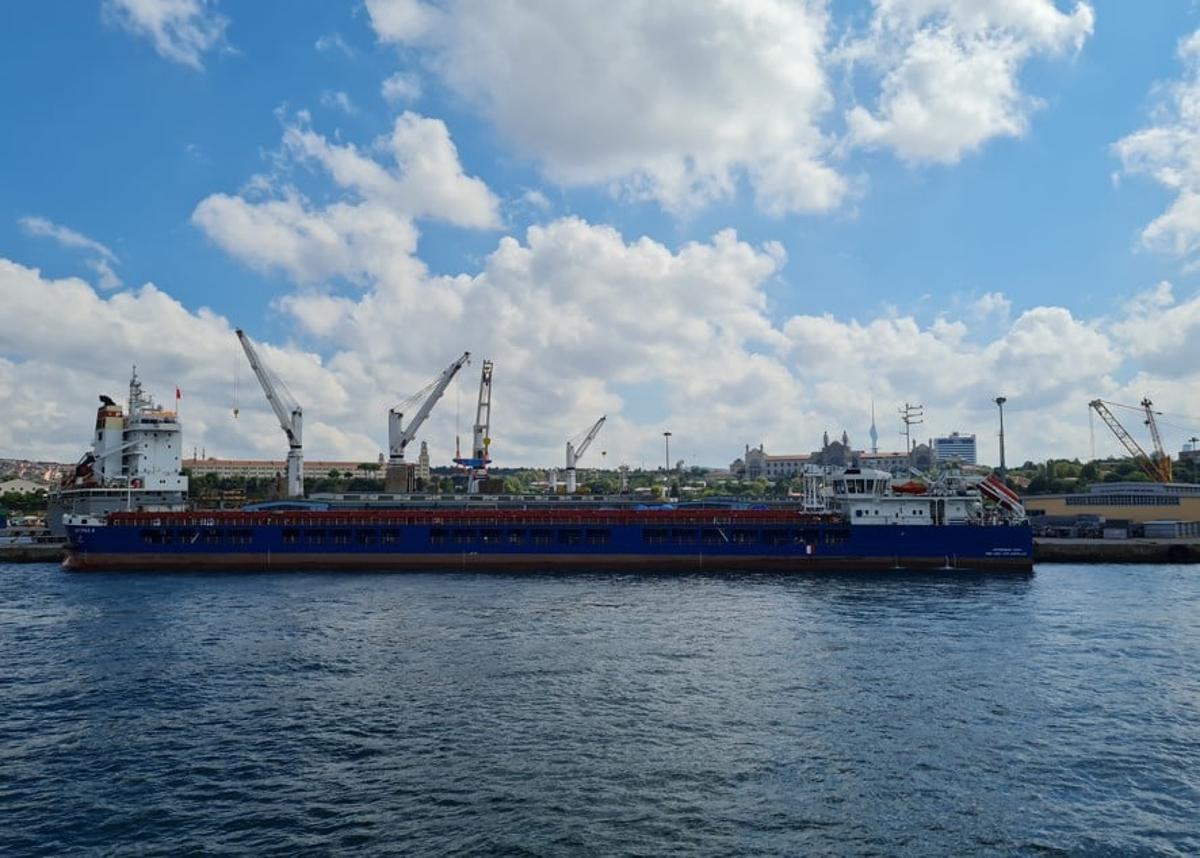
World’s First Global Shipping Carbon Price Talks Back at UN’s Bargaining Table
Why It Matters
The framework determines whether the shipping sector can secure stable, market‑based incentives to decarbonise, affecting global trade costs and climate goals. Its approval or dilution will also dictate billions of dollars flowing to developing nations for an equitable energy transition.
Key Takeaways
- •IMO Net‑Zero Framework combines carbon price with fuel standards.
- •U.S., Saudi Arabia, Russia, and other petro states block adoption.
- •Shipping fuel costs doubled, costing industry ~$12.2 billion from Hormuz disruption.
- •Carbon‑price revenue ($10‑12 bn/yr) funds clean‑tech and climate aid.
- •Developing nations demand the price to secure financing for equitable transition.
Pulse Analysis
The IMO’s Net‑Zero Framework represents the first truly global attempt to regulate maritime emissions through a dual‑track approach: a mandatory fuel‑standard and a market‑based carbon price. After a close vote in 2023, the package was stalled by the United States, Saudi Arabia, Russia and other oil‑producing states that view the price mechanism as an economic barrier. Proponents argue that without a predictable carbon cost, shipowners lack the certainty needed to invest in alternative fuels such as ammonia, methanol, or electric propulsion, leaving the sector vulnerable to volatile fossil‑fuel markets.
Fuel price volatility has already hit the industry hard. The recent disruption of the Strait of Hormuz doubled bunker fuel costs, imposing an estimated €11.2 billion (≈ $12.2 billion) loss on global shipping. This shock underscores the urgency of a stable pricing signal that can channel $10‑12 billion annually—projected from the carbon‑price levy—into research, infrastructure, and subsidies for low‑carbon technologies. Stakeholders from the Global Maritime Forum to wind‑propulsion innovators like BAR Technologies see the framework as the catalyst needed to accelerate deployment of clean energy solutions and protect profit margins, given that fuel accounts for 50‑60 % of voyage expenses.
Beyond economics, the negotiations carry profound geopolitical weight. Developing nations, represented by Kenya, Ghana and Pacific Island states, view the carbon‑price revenue as a vital source of climate finance that can support just transition projects and mitigate the adverse effects of a shifting energy landscape. Conversely, oil‑rich countries push to dilute or remove the pricing element, threatening to stall progress and exacerbate inequities. The outcome of the April‑May IMO sessions will signal whether the international community can uphold a single, enforceable rulebook for shipping decarbonisation or succumb to fragmented, weaker standards that could lock the sector into fossil‑fuel dependence for years to come.
World’s first global shipping carbon price talks back at UN’s bargaining table
Comments
Want to join the conversation?
Loading comments...