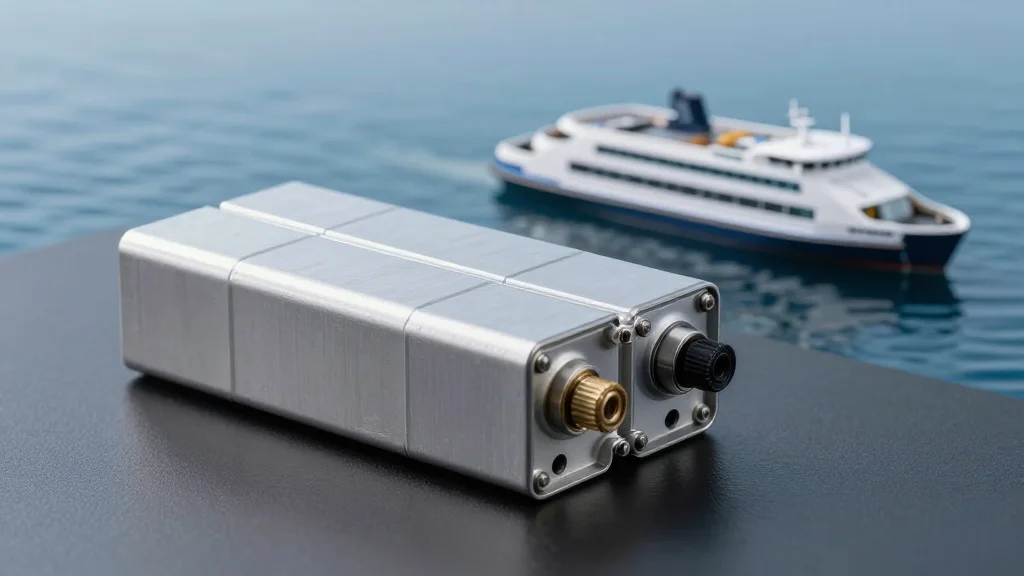
World's Largest Battery Maker Is Taking EV Tech to the Seas
Why It Matters
Marine electrification could slash a sector that emits 3% of global CO₂, opening a new high‑growth market for battery manufacturers and accelerating the clean‑energy transition.
Key Takeaways
- •CATL holds 37% EV battery market share.
- •Equipped ~900 vessels, mainly near‑shore Chinese ships.
- •Plans to double marine team to 500 employees.
- •Battery prices fell 90% since 2010, enabling maritime use.
- •Developing ship battery‑swap stations for rapid turnaround.
Pulse Analysis
CATL’s foray into marine power comes at a pivotal moment for the shipping industry, which faces mounting pressure to reduce its carbon footprint. With a dominant 37% share of the global EV battery market and a 22% stake in energy‑storage, the Shenzhen‑listed firm leverages economies of scale and advanced lithium‑ion chemistry to bring land‑based cost efficiencies to sea‑borne applications. The dramatic 90% price decline in battery packs since 2010 makes large‑format cells financially viable for vessels that previously relied on diesel, positioning CATL as a potential catalyst for a new wave of electric ferries, tugs, and short‑haul cargo ships.
Technical hurdles remain, however, as marine environments demand higher energy density, robust safety certifications, and resistance to salt‑water corrosion. CATL is addressing these challenges by engineering marine‑grade packs and introducing a battery‑swap network reminiscent of its truck‑charging infrastructure, allowing ships to exchange depleted modules in minutes rather than endure lengthy recharging cycles. The company also collaborates with shipyards, ports, and municipal authorities to integrate power management systems with existing grid infrastructure, while exploring hybrid propulsion blends that pair batteries with conventional engines for longer voyages.
The broader implications extend beyond CATL’s balance sheet. The International Maritime Organization’s goal to halve shipping emissions by 2050, coupled with China’s strategic aim to curb imported fuel reliance, creates a policy backdrop that could accelerate adoption. Investors are watching the sector closely as CATL reported a 42% profit surge to $10.4 billion in 2025, underscoring the financial upside of scaling marine electrification. If battery‑swap ecosystems mature and safety concerns are mitigated, the maritime domain could become the next frontier of the global electrification megatrend, reshaping supply chains and creating new revenue streams for battery manufacturers worldwide.
World's largest battery maker is taking EV tech to the seas
Comments
Want to join the conversation?
Loading comments...