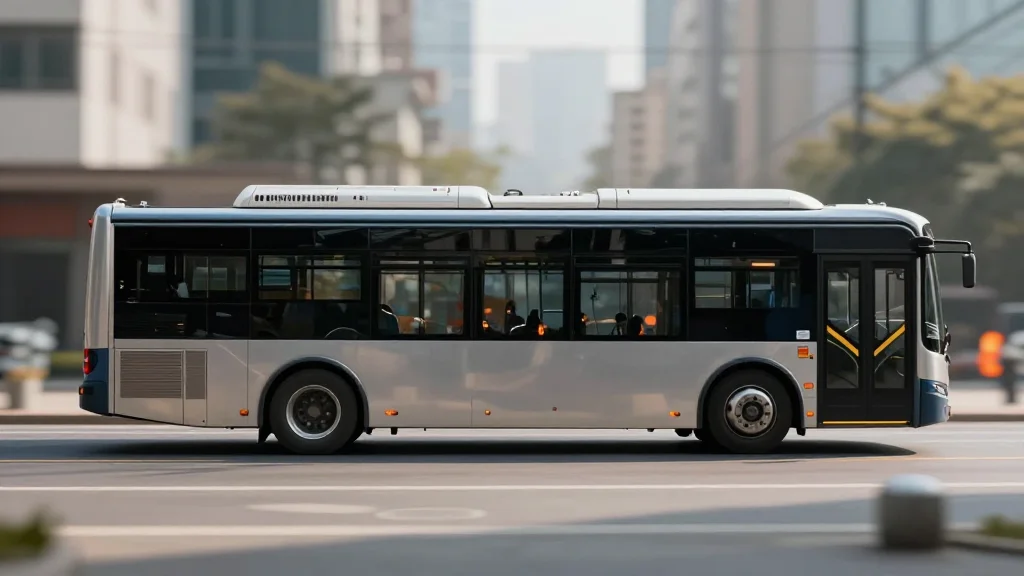
Wrightbus Shows Hydrogen Bus Hype Turning Into An Electric Bus Business
Companies Mentioned
Why It Matters
The episode shows that hydrogen buses, while politically appealing, face higher operational risk and limited scalability, influencing future transit procurement and industrial policy decisions.
Key Takeaways
- •Crawley hydrogen bus fire sidelined 20‑plus buses, exposing support gaps
- •Wrightbus' large orders now focus on battery‑electric Electroliners
- •Hydrogen fleets require specialized fuel, maintenance, and safety infrastructure
- •Electric buses benefit from growing supplier base and repeatable procurement cycles
- •Policymakers should align incentives with technologies that deliver repeat orders
Pulse Analysis
The December 2025 fire that destroyed a Metrobus‑operated Wrightbus GB Kite Hydroliner in Crawley did more than make headlines; it laid bare the fragility of a small hydrogen fleet. With liquid‑hydrogen stored at a single depot, the incident forced the operator to withdraw all single‑deck hydrogen buses, relying on loaned vehicles to keep routes running. The outage highlighted the cascade of specialized requirements—fuel logistics, safety protocols, spare‑part inventories, and trained technicians—that must be maintained even for a handful of vehicles. When one bus goes down, service reliability can crumble.
Wrightbus’ broader commercial trajectory tells a different story. After emerging from administration, the company leveraged hydrogen as a political showcase, aligning with the UK’s industrial‑policy push for domestic zero‑emission manufacturing. Yet the bulk of its order book now centers on battery‑electric Electroliner models, which have secured multi‑year contracts across several UK cities and abroad. Electric buses enjoy a maturing supply chain, standardized charging infrastructure, and a growing pool of maintenance expertise, allowing manufacturers to scale production and operators to repeat purchases with confidence.
For transit agencies and policymakers, the lesson is clear: incentives must follow the denominator, not the headline. Hydrogen projects can still play a role where funding covers the full lifecycle cost and a robust refuelling network exists, but the default procurement strategy should prioritize technologies that demonstrate repeatability, lower total‑cost‑of‑ownership, and minimal operational disruption. Aligning industrial policy with the realities of fleet turnover will help protect jobs while ensuring that the UK’s public‑transport decarbonisation stays on schedule.
Wrightbus Shows Hydrogen Bus Hype Turning Into An Electric Bus Business
Comments
Want to join the conversation?
Loading comments...