Xpeng Flying Car Deliveries Target 2027 as Certification Gaps Remain
Why It Matters
Regulatory approval will determine whether Xpeng can monetize its sizable order backlog and compete in the fast‑growing eVTOL market, influencing the pace of urban air mobility adoption in China and globally.
Key Takeaways
- •Targeting 2027 large‑scale deliveries with 7,000 preorders
- •Modular system pairs six‑wheel vehicle with detachable eVTOL
- •Price around $300,000; 30‑km range limits mass market
- •Certification from CAAC remains the critical hurdle for commercial ops
- •China’s 1,200+ low‑altitude pads give early infrastructure advantage
Pulse Analysis
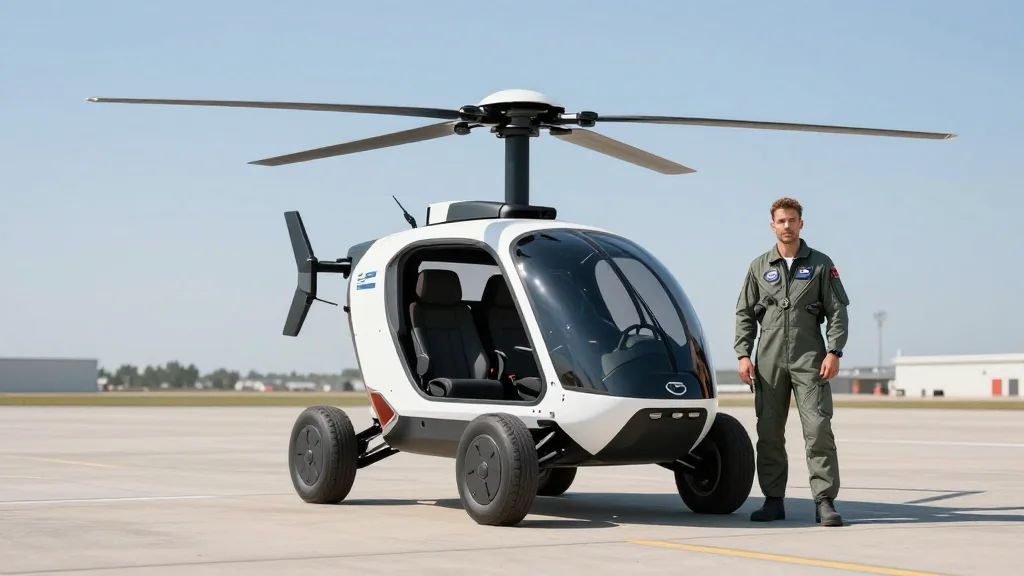
Xpeng’s Aridge division is moving its Land Aircraft Carrier from prototype to a production line that can output up to 10,000 units a year. The system combines a six‑wheel ground vehicle with a detachable two‑seat electric vertical take‑off and landing (eVTOL) aircraft, each weighing about 700 kg and housing a 50 kWh battery that charges from 30 % to 80 % in 18 minutes. Priced at roughly 2 million yuan (about $300,000) and offering a 30‑kilometre flight envelope, the vehicle is positioned for niche tourism and short‑haul logistics rather than mainstream commuter transport.
The biggest obstacle remains certification. Xpeng must secure an Airworthiness Certificate and an Air Operator Certificate from the Civil Aviation Administration of China before it can sell flight services to the public. While the company can hand over completed units to private customers, without these approvals the vehicles cannot generate commercial revenue. China’s rapid rollout of low‑altitude infrastructure—over 1,200 landing pads in Shenzhen alone—provides a dense network that could accelerate deployment once regulatory clearance is granted.
Even with regulatory uncertainty, the 7,000 orders reported signal strong demand in a market hungry for autonomous aerial mobility. Competitors such as Lilium and Joby are also racing toward certification, making 2027 a potential inflection point for the eVTOL sector. Investors are watching the convergence of AI, battery technology, and urban air mobility, which together could reshape logistics, tourism, and emergency response. Xpeng’s progress illustrates how Chinese manufacturers are leveraging state‑backed infrastructure and capital to challenge Western incumbents, potentially reshaping the global aerial‑transport landscape.
Xpeng Flying Car Deliveries Target 2027 as Certification Gaps Remain
Comments
Want to join the conversation?
Loading comments...