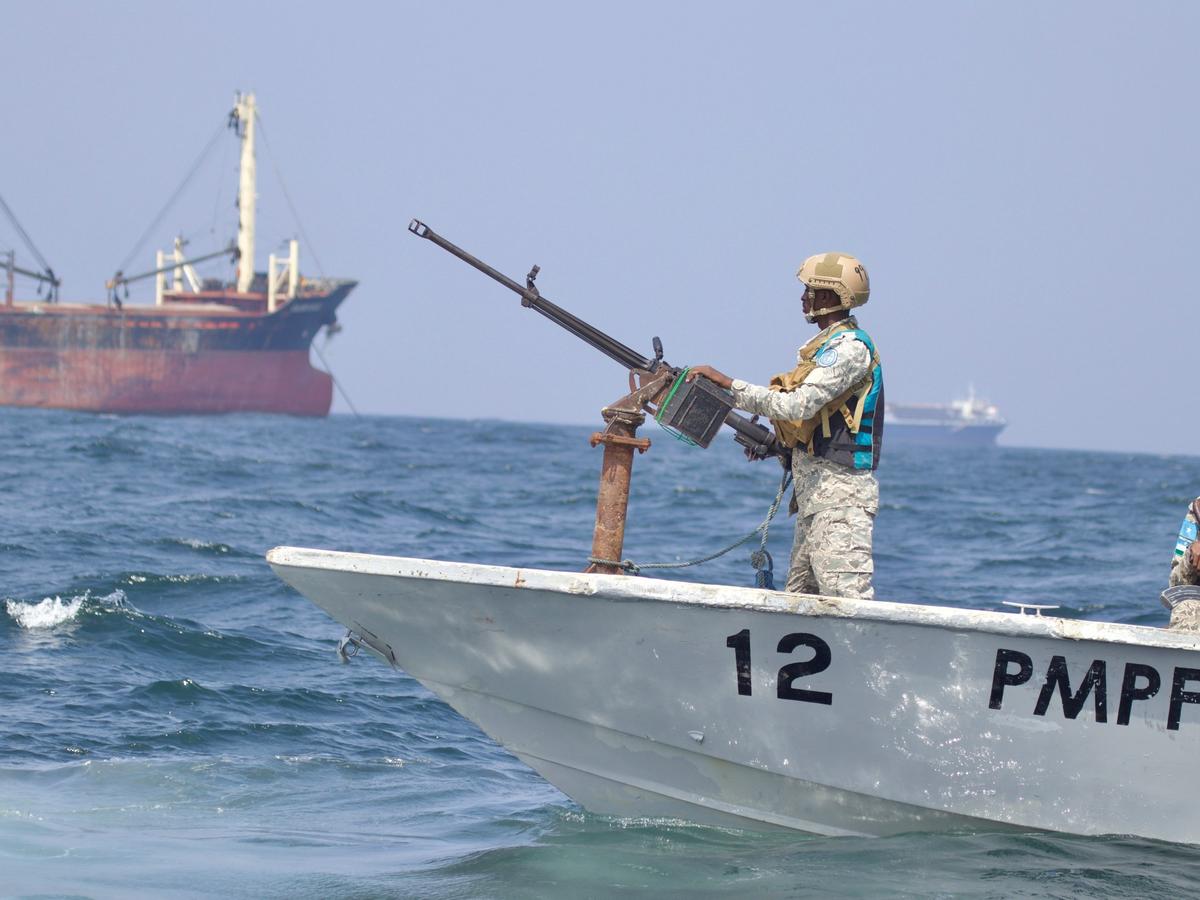
Yemen Reports Hijacked Oil Tanker Headed for Somalia
Why It Matters
The hijack threatens global oil supply routes and highlights growing piracy risk as naval focus shifts, potentially raising shipping costs and insurance premiums.
Key Takeaways
- •M/T Eureka seized off Yemen, heading for Somali coast.
- •Fourth hijacking near Somalia in weeks, tied to Iran war.
- •UKMTO raises piracy threat level to “substantial” for the region.
- •Yemen’s coast guard lacks resources to counter piracy effectively.
- •Renewed attacks could increase shipping insurance and freight costs.
Pulse Analysis
The hijacking of the M/T Eureka illustrates a broader revival of maritime piracy off the Horn of Africa, a trend that analysts trace to the strategic shift of naval forces toward the Red Sea. Since the United States and Israel launched their campaign against Iran in February, anti‑piracy patrols have been redeployed to counter Houthi attacks in the Bab al‑Mandeb, leaving the Gulf of Aden comparatively thinly guarded. This security vacuum has emboldened Somali‑based armed groups, which now view the diversion of assets as a ‘window of opportunity’ to resume high‑value seizures.
Beyond the immediate danger to the crew, the incident threatens the smooth flow of crude through one of the world’s busiest oil corridors. An 18,000‑barrel tanker represents a modest but symbolically important cargo; repeated disruptions could force shippers to reroute vessels around the Cape of Good Hope, inflating fuel consumption and freight rates. Insurers have already signaled higher premiums for voyages that traverse the Somali littoral, and the uncertainty may prompt charterers to demand stricter security clauses, adding operational complexity and cost to global supply chains.
Addressing the resurgence will require coordinated diplomatic and naval action. The European Union’s naval task force, the United Kingdom Maritime Trade Operations, and regional partners must balance counter‑Houthi missions with dedicated anti‑piracy patrols, possibly through joint tasking or the use of private security contractors under clear legal frameworks. For Yemen, bolstering coast‑guard capabilities—perhaps via international funding or equipment transfers—could improve early response, though the nation’s fiscal constraints remain a hurdle. Ultimately, a sustained multinational commitment is essential to deter future hijackings and protect the integrity of international shipping lanes.
Yemen reports hijacked oil tanker headed for Somalia
Comments
Want to join the conversation?
Loading comments...