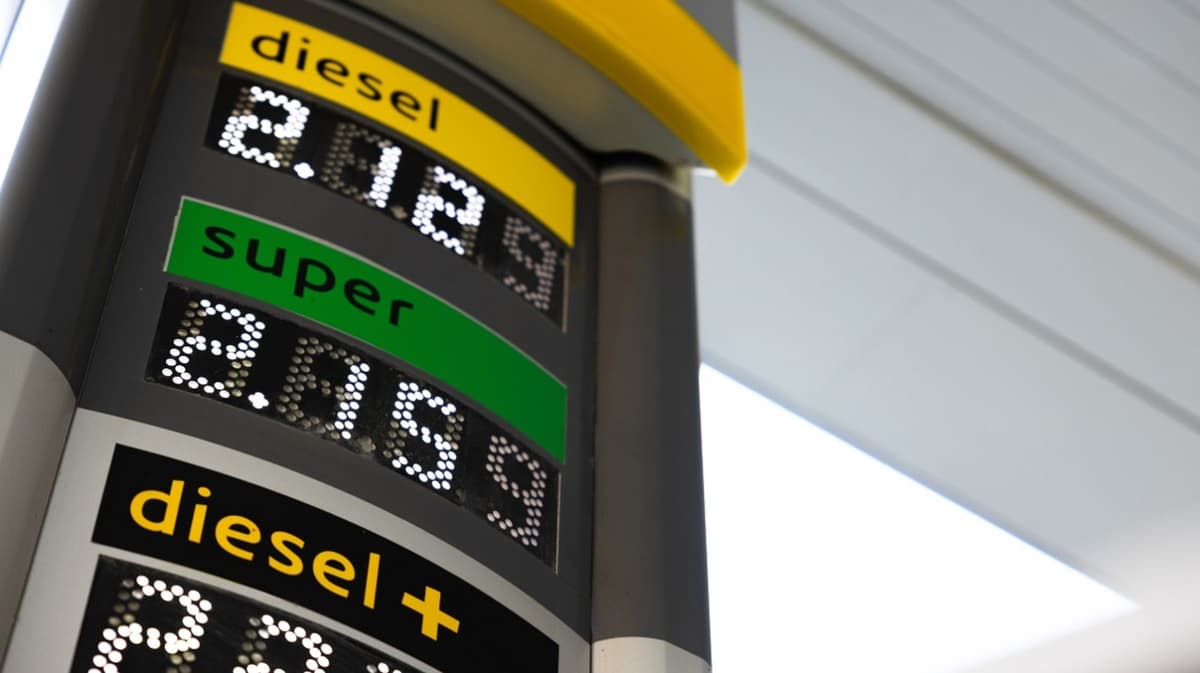
Yes, There Are Different Grades Of Diesel Fuel, Too

Why It Matters
Understanding diesel grade differences helps fleet operators optimize fuel efficiency, compliance, and operating costs, especially as emissions regulations tighten and seasonal weather impacts fuel performance.
Key Takeaways
- •#1 diesel handles temperatures down to –40 °F but has lower lubricity.
- •#2 diesel is the most common grade, optimal for warm-weather fleets.
- •#4 diesel serves marine and boiler applications, not suitable for road vehicles.
- •ULSD cuts NOx emissions ~90% and PM ~95%, raising production costs.
- •Winterized diesel blends #1 and #2 to prevent gelling in cold climates.
Pulse Analysis
The U.S. diesel market may appear simple at the pump, but refiners produce multiple grades to meet diverse operational demands. #1 diesel’s low pour point and high volatility make it ideal for commercial trucks operating in sub‑zero climates, though its reduced lubricity can increase engine wear if used improperly. #2 diesel dominates the retail landscape, offering a balance of energy density, lubricating wax content, and cost efficiency for most on‑road applications. #4 diesel, meanwhile, is a workhorse for marine engines, furnaces, and industrial boilers, where high‑load, low‑speed performance outweighs cold‑weather concerns.
Environmental policy has reshaped diesel formulations dramatically. Ultra‑low sulfur diesel (ULSD) became mandatory in 2006, slashing nitrogen‑oxide emissions by roughly 90 % and particulate matter by 95 %, but the additional desulfurization steps raise production expenses and slightly reduce fuel lubricity. Biodiesel blends, derived from renewable feedstocks, further cut greenhouse‑gas footprints but can affect cold‑flow characteristics, prompting the use of winterized blends. These regulatory pressures drive refiners to innovate, offering low‑sulfur and renewable options while managing cost differentials that ripple through the supply chain.
For fleet managers and equipment owners, grade selection is a strategic decision. In winter regions, blending #1 with #2—or purchasing pre‑blended winterized diesel—prevents fuel gelling that can immobilize vehicles, albeit at a modest efficiency penalty. Red diesel provides a cheaper off‑road alternative but carries tax and legal restrictions. By aligning fuel choice with engine specifications, seasonal temperatures, and emissions compliance, operators can safeguard performance, extend engine life, and control operating expenses in a market where fuel grade nuances increasingly influence the bottom line.
Yes, There Are Different Grades Of Diesel Fuel, Too
Comments
Want to join the conversation?
Loading comments...