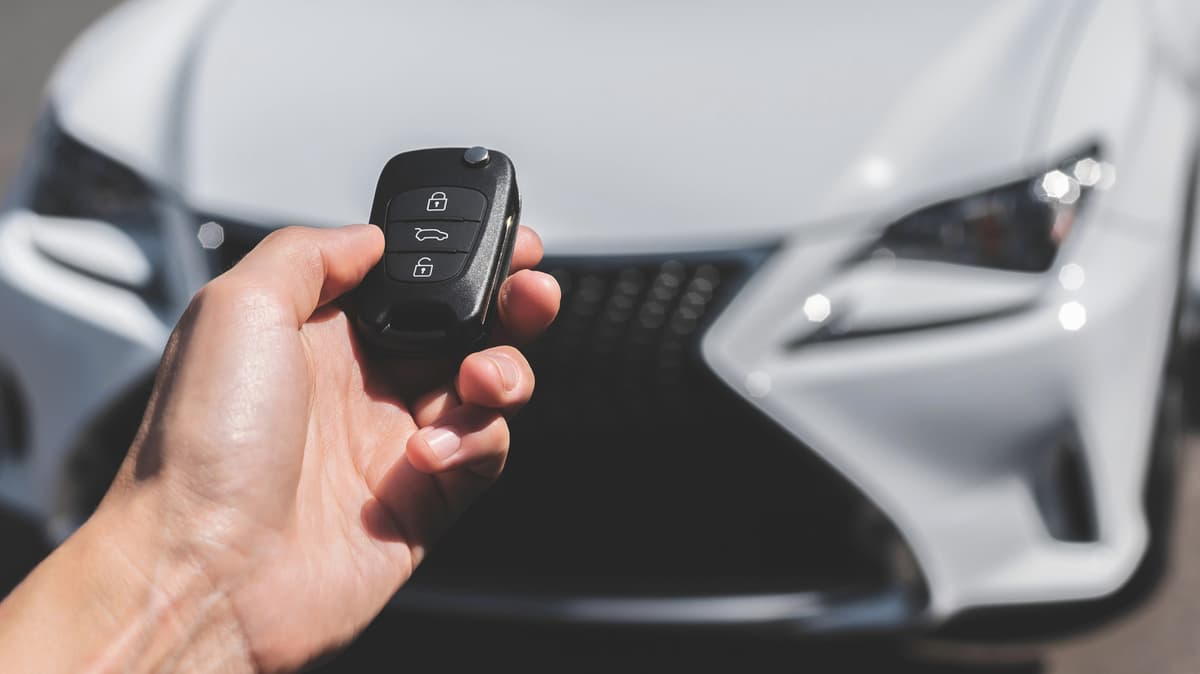
Yes, You Can Wrap Your Keys In Aluminum Foil To Prevent Car Theft, But There Are Better Ways

Why It Matters
Effective signal‑blocking measures protect owners from costly relay‑theft incidents and reinforce overall vehicle security, a growing concern as keyless technology proliferates.
Key Takeaways
- •Aluminum foil blocks some fob signals, but inconsistently
- •Faraday pouches reliably shield key fobs for under $10
- •Physical locks add layers beyond electronic protection
- •Storing fob in metal container prevents relay attacks
- •Visible valuables increase theft risk despite electronic safeguards
Pulse Analysis
The surge of keyless entry systems has reshaped automotive convenience, yet it also introduced a new attack vector: relay theft. Criminals use signal‑boosting equipment to capture and retransmit a fob’s radio frequency, opening doors and starting engines from yards away. As more manufacturers integrate smartphones as digital keys, the attack surface widens, prompting owners to seek affordable countermeasures that don’t compromise daily usability.
Among DIY options, aluminum foil is the most accessible, but its effectiveness varies by vehicle make and fob frequency. The material can dampen electromagnetic emissions, yet gaps and inconsistent wrapping often leave enough signal leakage for sophisticated thieves. In contrast, purpose‑built Faraday pouches—typically priced around $9.99—employ carbon‑fiber or RF‑shielding fabrics that create a sealed enclosure, guaranteeing near‑total attenuation. Metal containers, such as steel bowls, offer a similarly reliable barrier at home, while remaining inexpensive and easy to integrate into daily routines.
Signal shielding alone isn’t a panacea; a layered security strategy yields the best results. Physical deterrents—steering‑wheel locks, pedal immobilizers, and tire clamps—introduce visible obstacles that increase the effort required for a theft. Hidden kill switches and VIN etching add covert protection and traceability, respectively. Moreover, simple habits like locking doors, removing visible valuables, and storing the fob away from windows further diminish a vehicle’s attractiveness to opportunistic thieves. By combining electronic shielding with tangible safeguards, drivers can substantially lower the likelihood of a successful keyless‑theft attempt.
Yes, You Can Wrap Your Keys In Aluminum Foil To Prevent Car Theft, But There Are Better Ways
Comments
Want to join the conversation?
Loading comments...