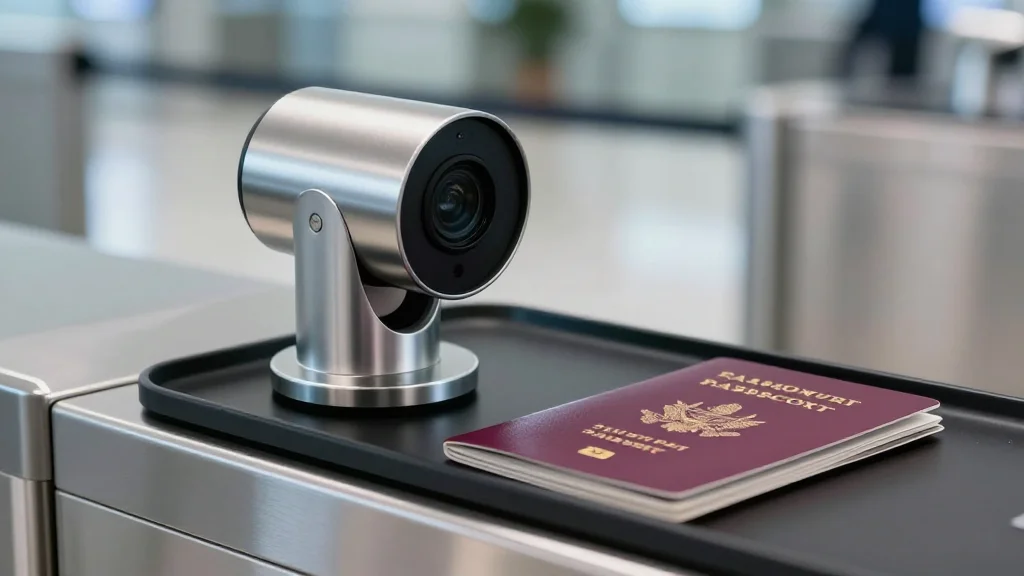
You Can Opt Out Of TSA Facial Recognition — Here’s How
Why It Matters
Allowing an opt‑out preserves passenger privacy while maintaining security, highlighting the balance between biometric efficiency and civil‑liberties concerns in aviation. It also signals growing regulatory and public pressure for transparency in biometric deployments.
Key Takeaways
- •TSA facial recognition is optional at most U.S. airport checkpoints
- •System matches live photo to ID; data deleted after each use
- •To opt out, verbally request manual ID check before camera activation
- •Opting out does not affect standard security screening or boarding
- •Privacy board urges clearer signage and transparency on facial‑scan use
Pulse Analysis
Facial recognition at TSA checkpoints represents the agency’s push toward faster, technology‑driven identity verification. The system captures a live image, compares it to the photo on a driver’s license or passport, and then discards the data after the transaction. Unlike broader surveillance databases, the matching is one‑to‑one, a point emphasized in the 2025 Privacy and Civil Liberties Oversight Board report. Still, privacy advocates argue that travelers often lack clear notice, prompting calls for better signage and procedural transparency.
For passengers who prefer not to be scanned, the opt‑out is straightforward. At the credential authentication podium, travelers should state, “I would like to opt out of facial recognition” or request a manual ID check before the camera engages. The TSA officer will then verify the traveler’s identity by visually comparing the face to the ID, without using the biometric system. This verbal request does not require an explanation and does not delay the overall security process; passengers continue through bag and body screening as usual.
The ability to decline biometric scans has broader implications for the travel industry. It underscores a growing consumer demand for control over personal data and signals that airlines and airports must balance efficiency gains with privacy safeguards. As civil‑rights groups like the Algorithmic Justice League spotlight the issue, regulators may tighten disclosure requirements, potentially shaping the future rollout of biometric technologies across transportation hubs. Travelers who are aware of their rights can navigate security smoothly while influencing the evolution of privacy‑focused policies.
You Can Opt Out Of TSA Facial Recognition — Here’s How
Comments
Want to join the conversation?
Loading comments...