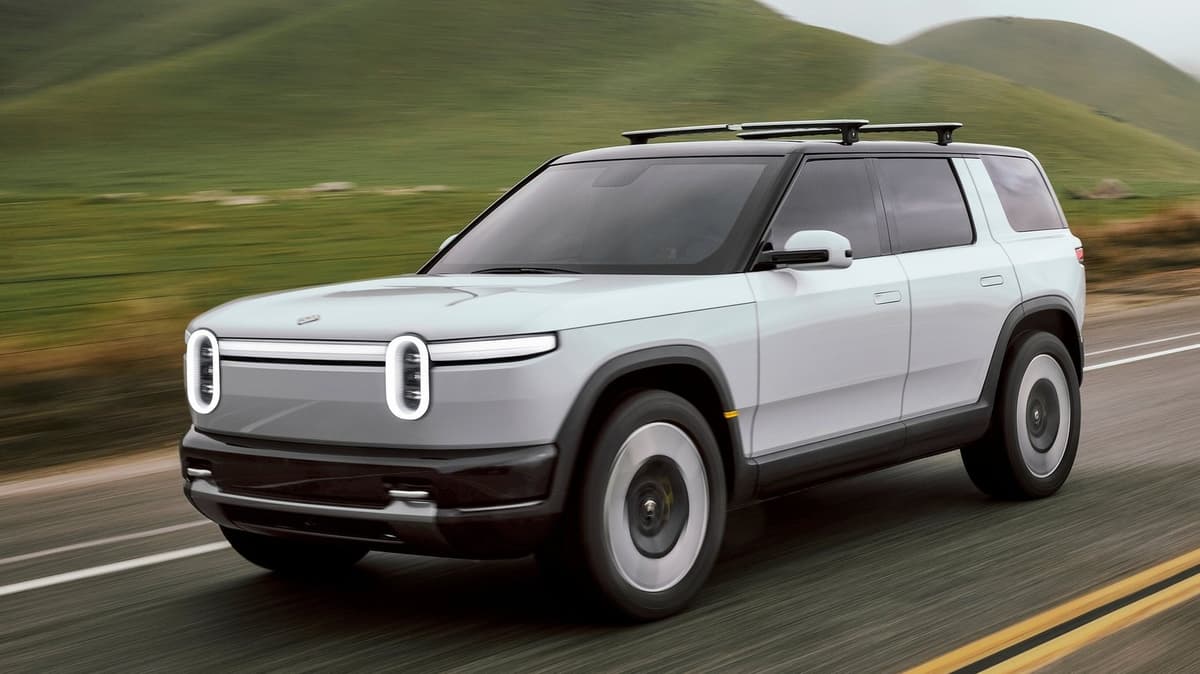
You Don't Necessarily Need To Buy Or Install A Complicated, Expensive Home Charger To Drive An EV

Companies Mentioned
Why It Matters
Understanding that a basic wall outlet suffices for daily driving lowers the upfront cost barrier, accelerating consumer confidence and broader EV market penetration.
Key Takeaways
- •Level 1 (120 V) charging adds 2‑4 miles per hour
- •Typical overnight charge yields 50‑60 miles of range
- •Average American driver needs about 41 miles daily
- •Level 2 chargers benefit high‑mileage or non‑home drivers
- •Misconceptions about charging deter potential EV buyers
Pulse Analysis
Charging an electric vehicle doesn’t require a dedicated wall box; a standard 120‑volt outlet can provide sufficient daily mileage for most drivers. Level 1 charging delivers 2‑4 miles of range per hour, translating to 50‑60 miles after an overnight plug‑in. For the typical U.S. commuter—who averages roughly 41 miles per day—this level of charge comfortably covers daily trips, leaving the vehicle’s larger battery capacity for longer journeys. The cost of a Level 2 charger, often $500‑$1,200 plus installation, only becomes justified for high‑mileage users or those lacking a reliable home power source.
The perception that EVs demand costly home‑charging infrastructure persists because media and marketing emphasize fast‑charging speed over practicality. This narrative creates an information gap, causing potential buyers to overestimate the necessity of Level 2 equipment and underestimate the convenience of Level 1. As public‑charging networks expand and reliability improves, the real barrier shifts from technical feasibility to consumer awareness. Clarifying that a simple three‑prong cord can meet everyday needs helps demystify EV ownership and reduces the psychological hurdle of “hidden” expenses.
From a market perspective, reducing the perceived upfront cost of EV adoption can boost sales velocity, especially as gasoline prices remain volatile. Automakers and dealers that educate shoppers on Level 1 capabilities may see higher conversion rates, while utilities can target incentives toward Level 2 installations for power‑intensive users rather than blanket subsidies. Ultimately, aligning consumer expectations with realistic charging scenarios supports a smoother transition to electrified fleets and accelerates the broader decarbonization agenda.
You Don't Necessarily Need To Buy Or Install A Complicated, Expensive Home Charger To Drive An EV
Comments
Want to join the conversation?
Loading comments...