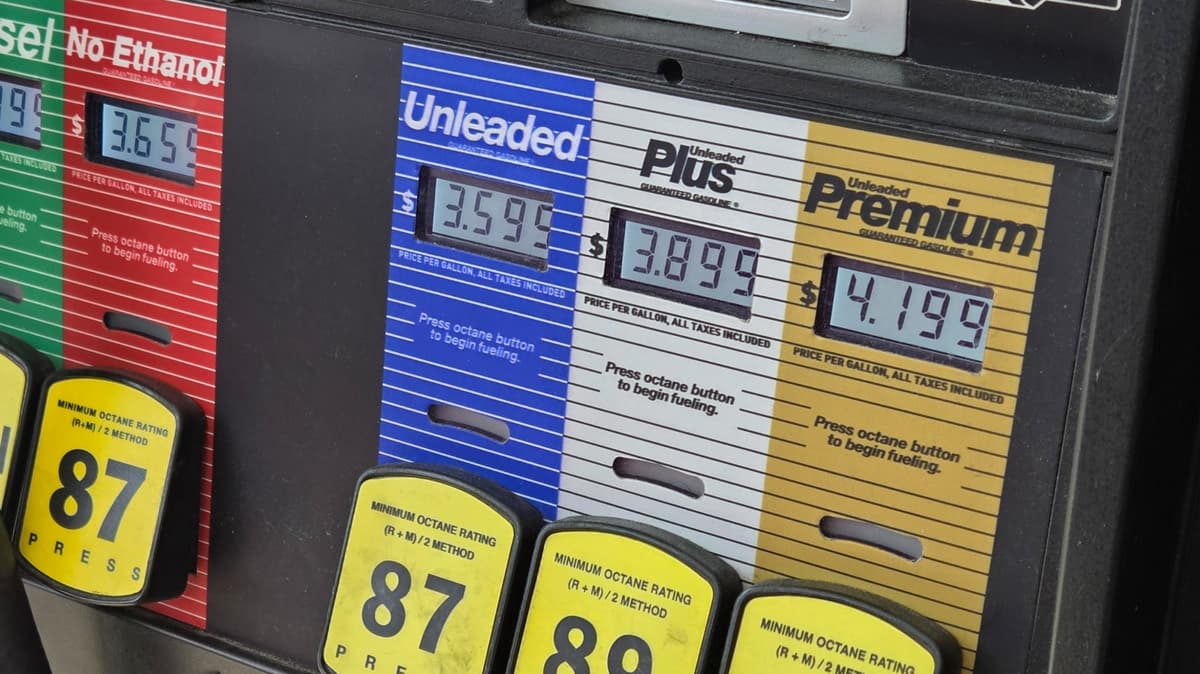
You May Be Wasting Money On Premium Gas, Consumer Reports Explains
Companies Mentioned
Why It Matters
The findings challenge a long‑standing perception that premium fuel is universally superior, prompting consumers to cut fuel costs without sacrificing performance. This could reshape demand patterns at the pump and pressure automakers to clarify octane recommendations.
Key Takeaways
- •Consumer Reports found no performance loss using regular fuel on tested models
- •Potential annual savings of up to $700 by sticking to regular gasoline
- •Premium is required only for true performance‑oriented engines
- •Engine knocking is the primary sign that premium may be needed
- •Mixing regular and premium fuel rarely causes engine damage
Pulse Analysis
The octane debate has resurfaced as gasoline prices soar, but the latest Consumer Reports test provides hard data that most everyday drivers can forgo premium without compromising power or mileage. By comparing a four‑cylinder Acura TLX and a V6‑powered Nissan Maxima, the study demonstrated that regular 87‑octane fuel matches premium 91‑octane in acceleration, fuel‑efficiency metrics, and acoustic signatures. The key takeaway for cost‑conscious motorists is the potential to pocket up to $700 a year, a figure that becomes even more compelling when the premium‑regular spread hovers around $0.87 per gallon.
Automakers’ recommendations for premium often stem from marketing narratives or a desire to protect warranty claims rather than an engineering necessity. While true high‑performance vehicles—such as sports cars with high compression ratios—do benefit from higher octane to prevent knocking, the majority of sedans and crossovers operate safely on regular fuel. The Consumer Reports guidance advises drivers to monitor for audible pinging or knocking, which signals that the engine’s compression is approaching its limit and that a temporary switch to premium could restore optimal combustion.
From a market perspective, widespread adoption of regular fuel could shift demand curves, prompting refiners to adjust production blends and potentially easing pressure on premium supply chains. Retailers may respond by re‑evaluating pricing strategies, especially in regions where premium commands a premium of nearly a dollar per gallon. For consumers, the message is clear: unless your vehicle’s manual explicitly mandates premium, you can confidently stick with regular, save money, and still enjoy the same driving experience. This insight empowers drivers to make data‑driven fueling choices amid volatile energy markets.
You May Be Wasting Money On Premium Gas, Consumer Reports Explains
Comments
Want to join the conversation?
Loading comments...